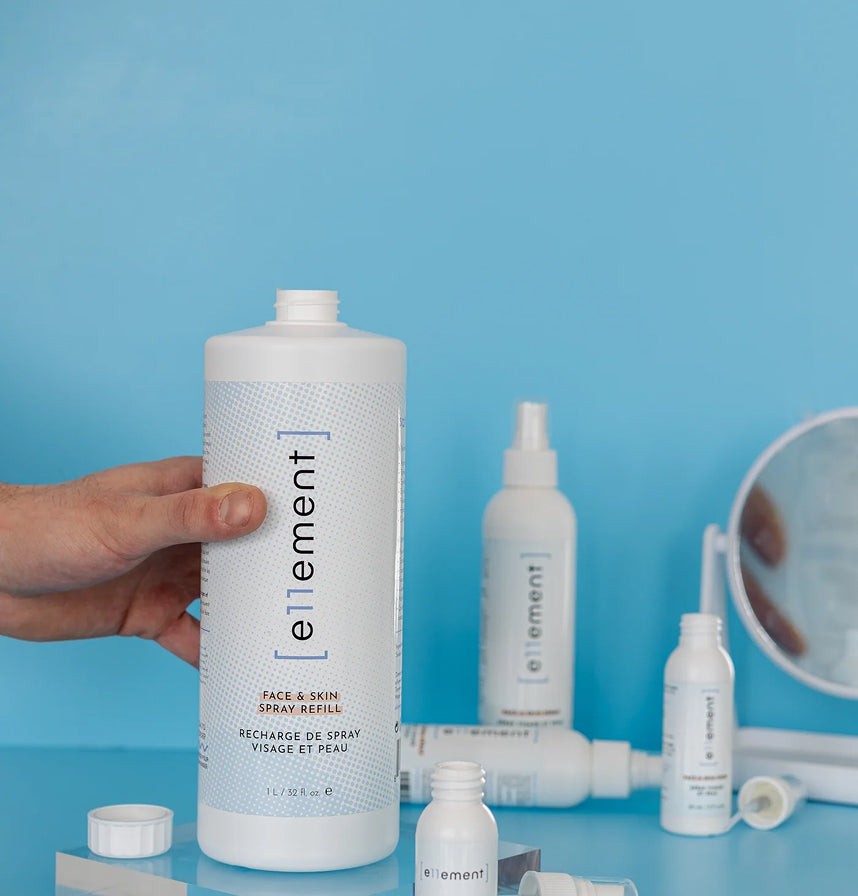
Wellness routines often include simple habits that support personal hygiene, skin care, and everyday comfort. One product that has gained attention in personal care is hypochlorous acid spray. Known for its gentle formulation and practical applications, it is increasingly being used as part of skin-focused and hygiene-related routines.
A Gentle Guide to Hypochlorous Acid Spray in Your Wellness Routine can help you understand what this ingredient is, how it is commonly used, and what to consider before adding it to your daily habits. Rather than treating it as a replacement for established skin care or medical treatment, it is better viewed as a supportive product that may suit certain personal care needs.
What Is Hypochlorous Acid Spray?
Hypochlorous acid, often abbreviated as HOCl, is a weak acid that is naturally produced by the human body's immune system as part of its defence response. In commercially prepared sprays, hypochlorous acid is typically formulated at controlled concentrations for topical use.
The liquid is usually clear, lightweight, and easy to apply. Depending on the formulation, it may be marketed for skin cleansing, refreshing irritated-looking skin, post-exercise care, or general personal hygiene.
Because different products may contain different concentrations and supporting ingredients, users should always review the product label and follow the manufacturer's directions.

Why Is Hypochlorous Acid Used in Wellness Routines?
Personal wellness is not limited to exercise and nutrition. Skin comfort, cleanliness, and simple hygiene practices can also form part of a balanced routine.
Hypochlorous acid spray is often chosen because it can be applied without requiring multiple steps. For people who prefer minimal skin care routines, a spray format can be convenient at home, after exercise, or while travelling.
It may also appeal to individuals who want an additional cleansing step without using heavily fragranced products. However, suitability can vary depending on skin type, formulation, and individual sensitivity.
Supporting Everyday Skin Hygiene
One common use of hypochlorous acid spray is as part of everyday skin hygiene. It can be misted onto the skin according to product instructions and allowed to dry naturally.
Some users include it after cleansing, while others apply it after activities that cause sweating. It should not automatically replace regular washing, especially when visible dirt, sunscreen, makeup, or excess oil needs to be removed.
Post-Workout Skin Care
Exercise can leave sweat, oil, and environmental residue on the skin. When immediate washing is not practical, some people use hypochlorous acid spray as an additional post-workout skin care step.
For example, it may be applied to areas such as the face, neck, chest, or back, depending on the product's intended use. Showering and cleansing should still remain part of normal hygiene when possible.
How to Use Hypochlorous Acid Spray
Application methods vary between products, so package instructions should always take priority. In general, topical sprays are designed to be applied directly to clean or exposed skin.
A typical routine may involve cleansing the skin, gently patting it dry, spraying an even layer of the product, and allowing it to air dry before applying other skin care products.
Using It With Your Existing Skin Care Routine
If you already follow a skin care routine, hypochlorous acid spray can often be incorporated without making the process complicated.
A basic sequence may look like this:
Cleanse the skin to remove dirt, makeup, sunscreen, and excess oil. Apply the hypochlorous acid spray according to the label. Allow the skin to dry before using serums, moisturisers, or sunscreen.
Avoid mixing multiple new products into your routine at once. Introducing products gradually makes it easier to identify the cause if irritation occurs.
When Might Hypochlorous Acid Spray Be Useful?
The practical value of a hypochlorous acid spray often depends on lifestyle. Someone who exercises frequently may use it differently from someone who keeps it in a travel or personal care kit.
It may be considered in situations such as after workouts, during travel, after spending time outdoors, or as part of a simple morning or evening skin care routine.
Some people may also use products containing hypochlorous acid when their skin feels temporarily uncomfortable or sensitive. However, persistent redness, swelling, pain, infection, or other concerning skin symptoms should be evaluated by a qualified healthcare professional.
What to Look for When Choosing a Hypochlorous Acid Spray
Not every product labelled as a hypochlorous acid spray is identical. Review the ingredient list, intended use, storage directions, expiration information, and manufacturer instructions before purchasing or applying a product.
Look for clear labelling that explains where the spray can be used and how frequently it should be applied.
Check the Ingredient List
A short ingredient list may appeal to people who prefer simple personal care formulations. Those with sensitive skin may also want to avoid unnecessary fragrances, dyes, or other ingredients that they already know cause irritation.
If you have a diagnosed skin condition or are using prescription topical medication, ask a dermatologist or healthcare professional whether the product is suitable for your routine.
Follow Storage Instructions
Proper storage can affect product stability. Hypochlorous acid products may have specific recommendations regarding temperature, sunlight, container closure, and shelf life.
Avoid transferring the spray into an unlabelled container unless the manufacturer specifically advises that it is safe to do so.

Important Safety Considerations
Even products described as gentle can cause irritation in some individuals. Stop using the spray if you experience persistent burning, itching, swelling, or worsening redness.
Do not assume that a wellness product can treat infections, wounds, acne, eczema, or other medical conditions unless the specific product has been approved or recommended for that purpose.
Avoid contact with the eyes unless the product is specifically formulated and labelled for use around them. The same principle applies to use inside the mouth, nose, ears, or other sensitive areas.
Patch testing a new skin care product can also be a sensible approach, particularly for individuals with reactive skin.
Keeping Your Wellness Routine Simple
Adding more products does not automatically create a better wellness routine. Consistency with basic habits usually matters more than the number of products used.
Regular cleansing, moisturising when needed, sun protection, appropriate hydration, sufficient sleep, and good personal hygiene remain important foundations of daily care.
Hypochlorous acid spray may complement these habits when used appropriately, but it should serve a clear purpose rather than simply adding another unnecessary step.
Conclusion
Hypochlorous acid spray can be a practical addition to a personal wellness or skin care routine when used according to product directions. Its convenient spray format makes it suitable for a range of everyday situations, including post-workout care, travel, and general skin hygiene.
The most effective approach is to consider your individual skin needs, review the formulation carefully, and introduce the product gradually. A simple, consistent routine combined with responsible product use can help maintain skin comfort without making everyday wellness unnecessarily complicated.