Last Updated: November 7, 2026
Quick Summary
To layer skincare for oily, acne-prone skin, cleanse first, then apply products from thinnest to thickest texture: water-based mist, lightweight treatment, and a non-comedogenic moisturizer last. Add one active at a time, alternating nights, so your skin can adjust.
- Use a gentle, fragrance-free cleanser twice a day for about 30 seconds.
- Apply water-based products first and oil-based products last.
- Introduce one active every third night during weeks one and two.
- Finish with a lightweight, non-comedogenic moisturizer, even for oily skin.
- Pause the newest product if stinging, dryness, or peeling appears.
Table of Contents
- Why Layering Order Matters for Oily, Acne-Prone Skin
- Step 1: Start With a Gentle Cleanser
- Step 2: Apply Water-Based Toner and Hypochlorous Acid Mist
- Step 3: Add Treatments From Thinnest to Thickest
- Step 4: Finish With a Lightweight, Non-Comedogenic Moisturizer
- Building a Night Skin Care Routine for Oily, Acne-Prone Skin
- Choosing Products: Best Skincare Products for Oily, Acne-Prone Skin
- Dermatologist Recommended Routine for Oily, Acne-Prone Skin and Your Next Steps
- Frequently Asked Questions
Why Layering Order Matters for Oily, Acne-Prone Skin
Oily skin does not need a long routine. It needs the right products applied in the right order, and a clear approach to layering skincare makes that easier to follow. This guide walks you through a simple, practical sequence you can follow every day.
Layering order matters because each product affects how well the next one absorbs. A heavy cream applied first can block a lightweight serum from reaching the skin. A gentle cleanser that is too harsh can strip the skin and trigger more oil production. Getting the order right helps your products work as intended.
The general rule is simple: apply products from the thinnest texture to the thickest. Water-based products go first, oil-based products go last, and light moisturizers finish the routine. Follow this sequence and you avoid most layering problems.
Step 1: Start With a Gentle Cleanser
Cleansing comes first because it clears oil, dirt, and leftover makeup. Without a clean surface, every product that follows sits on top of buildup.
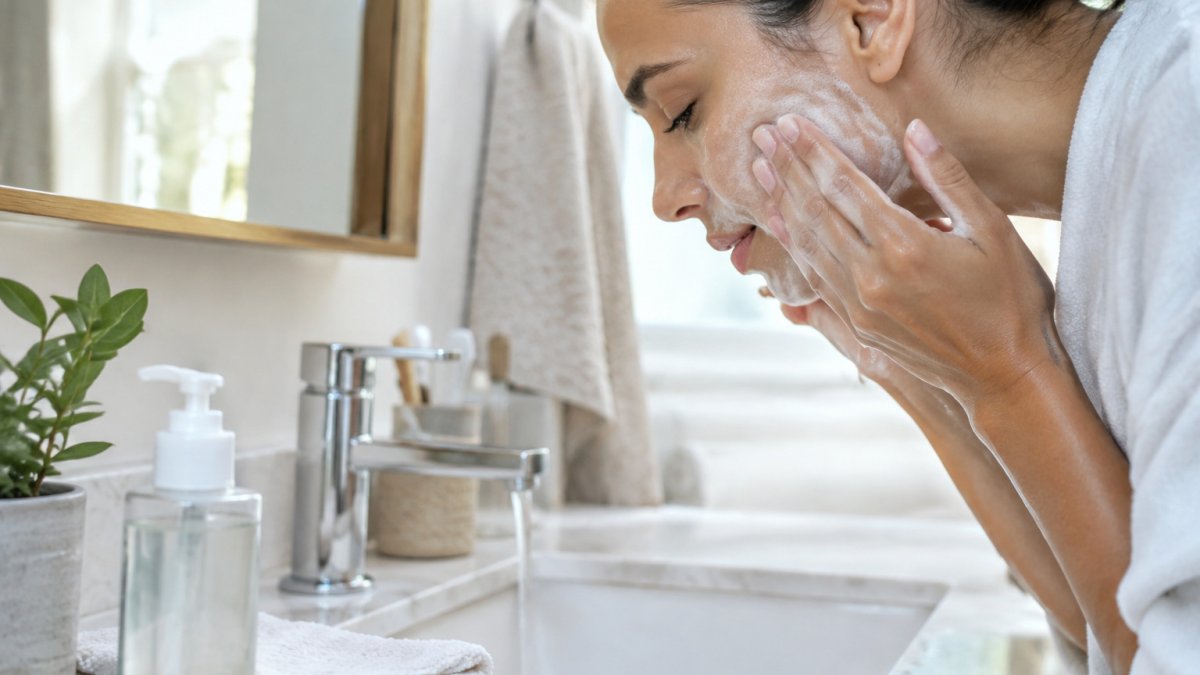
Choose a gentle, fragrance-free cleanser as the first step of your layer skincare routine. Harsh foaming formulas can leave skin tight and dry, which often prompts the skin to make even more oil. Wash your face morning and night, and use lukewarm water rather than hot.
Pat your skin dry with a clean towel. Leave it slightly damp before the next step.
- Use a gentle cleanser twice a day
- Massage for about 30 seconds, then rinse
- Avoid scrubbing hard with rough cloths
- Pat dry, do not rub
Watch out: Scrubbing harder does not clear acne faster (the NHS). Over-cleansing can irritate the skin barrier and make breakouts look worse.
Step 2: Apply Water-Based Toner and Hypochlorous Acid Mist
Water-based products come next because they are the lightest. A hydrating step on damp skin helps the layers after it spread evenly.
Hypochlorous acid is a cosmetic ingredient in many light, water-based mists. Our guidance on using hypochlorous acid on the skin supports a gentle approach, and our own How to Use Hypochlorous Acid Safely on Your Skin explains how to use it with care. Our How to Use Hypochlorous Acid Spray: 7 Steps walks through spraying it correctly.
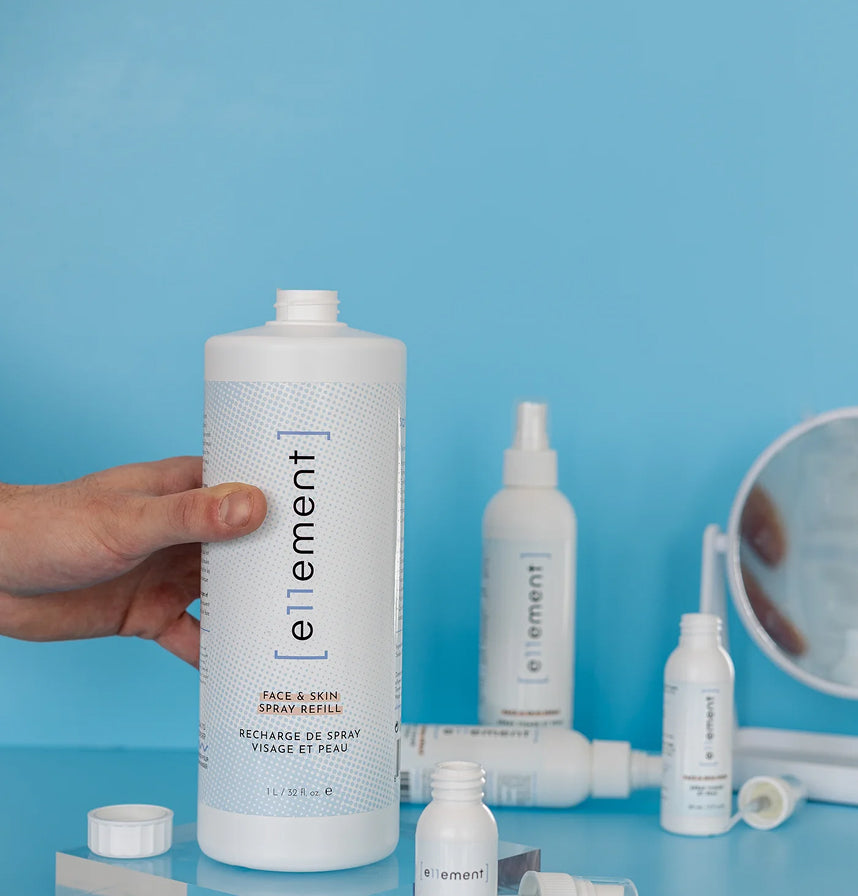
To use a hypochlorous acid spray, hold the bottle about six inches from your face, mist evenly, and let the skin air dry for a minute before the next product. The Hypochlorous Acid Spray for Face and Skin in 240mL / 8oz is a convenient size for daily use.
Step 3: Add Treatments From Thinnest to Thickest
Active treatments usually go after the water-based layer. Apply them in order of texture, starting with the thinnest liquid and ending with the thickest gel or cream. A watery salicylic acid serum goes before a niacinamide gel, which goes before a retinoid cream. Formulation can override this rule, so always read the product's own instructions first.
Common active ingredients used in skincare include salicylic acid, benzoyl peroxide, niacinamide, and retinoids. Each behaves differently in a routine, and the way you combine them matters more than the number of products you use.
How common acne actives fit together
Some actives pair well and others are better alternated. The table below summarizes a general approach rather than a strict rule; individual tolerance varies.
| Active | Can layer with | Better alternated with | Notes |
|---|---|---|---|
| Salicylic acid | Niacinamide, hyaluronic acid, light moisturizer | Benzoyl peroxide, retinoids | Can be drying; start every other night |
| Benzoyl peroxide | Niacinamide, light moisturizer | Salicylic acid, retinoids | Can bleach fabric; apply only to affected areas if directed |
| Niacinamide | Most actives, including salicylic acid and retinoids | Rarely needs alternating | Generally well tolerated; a good buffer step |
| Retinoids | Niacinamide, light moisturizer | Salicylic acid, benzoyl peroxide | Often used at night; start low and slow |
A common pattern is to use one primary active at night and keep the morning routine simple with cleanser, moisturizer, and sunscreen. If you want to use two actives, alternate them on different nights rather than layering them in the same routine. This reduces the chance of irritation and makes it easier to tell which product is helping.
A week-by-week schedule for starting actives
The biggest mistake is adding several actives at once. A gradual schedule gives your skin time to adjust and lets you trace any reaction to a specific product.
- Week 1-2: Use one active every third night. Keep the rest of the routine to cleanser, moisturizer, and sunscreen.
- Week 3-4: If skin stays calm, increase to every other night.
- Week 5-6: If tolerance is still good, move to nightly use or add a second active on alternate nights.
- Ongoing: Maintain the frequency that keeps skin comfortable. There is no benefit to pushing through stinging or peeling.
If irritation occurs, pause the newest active for a few days and return to a simple cleanser and moisturizer. When skin feels calm again, restart at the previous frequency rather than the one that caused the problem. If irritation persists or worsens, consult a qualified professional.
How to apply each layer
Apply a pea-sized amount to the whole face, or a small dot to a specific spot. Wait a minute or two so each layer absorbs before adding the next. For a retinoid, many people find that applying it after a light moisturizer (the "buffer" method) reduces dryness without blocking the product.
- Introduce one new active every one to two weeks
- Use actives every other night at first
- Increase frequency only if skin stays calm
- Keep at least one simple, soothing product in the routine
Watch out: Using multiple strong actives in one routine is a common cause of dryness and peeling. If your skin stings or flakes, reduce frequency before adding anything new.
Step 4: Finish With a Lightweight, Non-Comedogenic Moisturizer
Moisturizer is the final step for most routines, even for oily skin. Skin that is dried out by treatments can produce more oil, so a light moisturizer helps keep the barrier balanced.
Look for gel or water-based moisturizers labeled non-comedogenic. These formulas feel light and sit well under sunscreen during the day.
Apply a small amount and press it into the skin rather than rubbing. Let it settle for a minute before makeup or sunscreen.
Building a Night Skin Care Routine for Oily, Acne-Prone Skin
A night routine follows the same order but can include a few extra steps. Many people use treatments at night because sunlight can make some actives more irritating.
A simple night routine looks like this:
- Cleanse to remove the day's oil and sunscreen
- Apply a hydrating mist or toner
- Add one treatment, rotating actives on alternate nights
- Finish with a lightweight moisturizer
If you wear sunscreen or heavy makeup, consider a second cleanse with a gentle formula to fully remove it. Skipping this step can leave residue that clogs pores overnight.
Choosing Products: Best Skincare Products for Oily, Acne-Prone Skin
Choosing products is easier when you know what to look for. Focus on light textures, clear ingredient lists, and formulas that avoid heavy oils. The goal is a short routine you can repeat consistently, not a shelf full of products.
Match the texture to the step
Layering works best when each product's texture fits its place in the routine. A watery serum absorbs quickly and sits well under a gel moisturizer; a rich cream applied early can block the layers after it. As a general guide:
- Watery serums and mists: apply first, on damp skin
- Gels and light lotions: apply after watery layers
- Creams and balms: apply last, and only if skin feels tight
- Sunscreen: always the final daytime step
Formulation can override a simple thin-to-thick rule. Some gel creams are designed to go before a serum, and some treatment products instruct otherwise. Read the label and follow it.
A minimal routine for beginners or sensitive skin
If you are new to actives or your skin reacts easily, start with the fewest steps that still support the skin barrier. A baseline routine looks like this:
- Gentle cleanser
- Lightweight, non-comedogenic moisturizer
- Sunscreen in the morning
Add a water-based mist or one active only after this baseline feels stable for two to three weeks. Additional steps are useful when they solve a specific problem, such as oiliness through the day or occasional breakouts. They are not useful when they simply add more actives than your skin can tolerate.
What to check on the label
When comparing products, check for these points:
- Non-comedogenic or oil-free labeling
- Fragrance-free formulas for sensitive skin
- Lightweight gel or water-based textures
- Simple ingredient lists with fewer strong actives
- Clear instructions for how and when to apply
The e11ement Hypochlorous Acid Starter Pack includes the 8oz face and skin spray and a 2oz e11ement X concentrate, which gives you two sizes to try. If you are comparing options, our guide to the best hypochlorous acid for acne and our breakdown of hypochlorous acid vs salicylic acid can help you decide which fits your routine.

For a quick reference, the 8oz spray is a good daily option, while the 2oz size works well for travel or trying the product before committing.
Watch out: Buying several new actives at once makes it hard to know which product caused irritation. Add one product at a time and give it a few weeks before judging results.
Dermatologist Recommended Routine for Oily, Acne-Prone Skin and Your Next Steps
A dermatologist-informed routine keeps things simple. Cleanse, hydrate, treat, and moisturize, in that order, and introduce new products slowly.
Most people see the clearest results after several weeks of consistent use. If irritation, dryness, or breakouts get worse, pause your strongest product and speak with a qualified skin care professional.
Start with the basics this week. Pick a gentle cleanser, add one water-based mist, and build from there. Over time, you can layer in one treatment at a time and learn what your skin tolerates best.
Start your routine with the e11ement Hypochlorous Acid Starter Pack and build a simple, layered routine for oily, acne-prone skin.
Frequently Asked Questions
What is the best skincare routine for oily, acne-prone skin?
A simple routine for oily, acne-prone skin usually includes a gentle cleanser, a water-based toner or mist, a targeted treatment if one suits your skin, and a lightweight, non-comedogenic moisturizer. Sunscreen is the final step in the morning. Keep the routine short at first, and add one product at a time so you can see how your skin responds. Oil-based and comedogenic products are generally best avoided.
In what order should I apply skincare products for oily skin?
Apply products from thinnest to thickest texture. Start with a cleanser, then a water-based toner or hypochlorous acid mist, then any treatment serum or active. Follow with a moisturizer, and finish with sunscreen in the morning. Let each layer absorb for a short time before the next, which helps prevent pilling and reduces the chance of irritation when you add new products.
Should I use moisturizer if I have oily, acne-prone skin?
Yes. Oily skin still needs hydration, and skipping moisturizer can prompt the skin to produce more oil. Choose a lightweight, gel-type or oil-free moisturizer labeled non-comedogenic. A gentle routine with fewer layered steps is often a sensible starting point. Apply it to damp or freshly misted skin for the best feel.
Can I use e11ement hypochlorous acid spray as part of my routine?
The e11ement Hypochlorous Acid Spray for Face and Skin is a cosmetic mist made with water, sodium chloride and hypochlorous acid at 0.015%, and it is free from alcohol, parabens and added fragrance. Spray it onto clean skin after cleansing and allow it to air dry before applying other products. It is intended for external cosmetic use only.