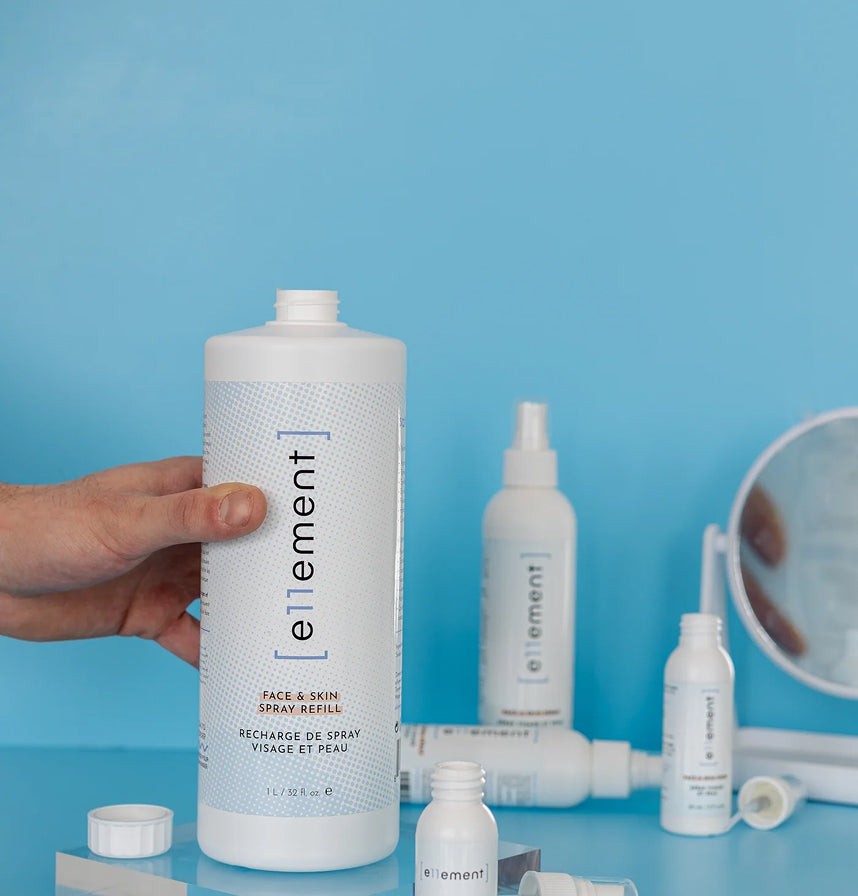
Sunburn occurs when the skin receives more ultraviolet radiation than it can tolerate, usually after prolonged exposure to sunlight without adequate protection. The affected area may become red, warm, tender, dry, or sensitive, and more severe sunburn may lead to swelling or blistering. During recovery, gentle skin care becomes important because harsh products can increase irritation and discomfort.
One ingredient increasingly found in skin-care sprays is hypochlorous acid. It is commonly used in topical formulations designed for sensitive, irritated, or compromised skin. Understanding What Makes Hypochlorous Acid Spray Suitable for Sunburn Care? can help consumers determine whether it may be appropriate as part of a gentle post-sun skin-care routine.
What Is Hypochlorous Acid?
Hypochlorous acid, often abbreviated as HOCl, is a naturally occurring substance produced by certain cells within the human immune system. It plays a role in the body's defence mechanisms and helps manage microorganisms.
In skin-care products, hypochlorous acid is generally formulated at controlled concentrations suitable for topical use. It is commonly available in spray form because this allows the product to be applied without excessive rubbing or touching of sensitive skin.
Unlike stronger chemical disinfectants, properly formulated hypochlorous acid skin-care products are generally designed to be mild enough for use on delicate or irritated skin. However, product instructions and intended uses can differ, so consumers should always follow the directions provided by the manufacturer.
Why Sunburned Skin Requires Gentle Care
Sunburn damages the outer layers of the skin and triggers an inflammatory response. This is why sunburned areas can feel hot, painful, tight, or uncomfortable.
During the healing period, the skin barrier may also become more vulnerable. Products containing high concentrations of alcohol, strong fragrances, exfoliating acids, retinoids, or abrasive ingredients may aggravate the affected area.
Reducing Unnecessary Skin Contact
One practical advantage of hypochlorous acid spray is its application method. Sunburned skin can be painful when touched or rubbed. A fine mist can be applied directly over the affected area with minimal physical contact.
This makes spray-based products convenient when the skin is too sensitive for creams that require considerable rubbing during application.

How Hypochlorous Acid Spray May Support Sunburn Care
Hypochlorous acid does not reverse ultraviolet damage or instantly heal sunburn. Instead, it may be used as part of supportive skin care while the skin naturally recovers.
Helps Maintain Clean Skin
Sunburn may sometimes affect the protective function of the skin barrier. When the skin becomes irritated, particularly if mild peeling occurs, maintaining good hygiene is important.
Hypochlorous acid is commonly used in topical products because of its antimicrobial properties. Applying an appropriately formulated spray may help keep the skin surface clean without requiring aggressive cleansing.
This can be useful when regular soaps or strong cleansers feel uncomfortable on sensitive areas.
Suitable for Sensitive Skin Formulations
Many hypochlorous acid sprays contain relatively simple formulations. Products intended for sensitive skin may avoid ingredients such as fragrance, alcohol, or strong active compounds.
This can be particularly relevant after excessive sun exposure because sunburned skin often reacts more easily to ingredients that would normally cause little or no discomfort.
Consumers should still read the ingredient list carefully, as formulations differ between brands.
May Help Calm Irritated Skin
Sunburn is associated with inflammation and irritation. Hypochlorous acid is frequently included in skin-care products designed to support irritated or reactive skin.
A light mist can also provide a cooling sensation when applied to warm skin, depending on how the product is stored and formulated. However, it should not replace established sunburn-care measures such as cooling the affected area, maintaining hydration, and avoiding further sunlight.
How to Use Hypochlorous Acid Spray After Sun Exposure
When using a hypochlorous acid spray for irritated skin, follow the product label and manufacturer's instructions.
Start by moving away from direct sunlight and allowing the affected skin to cool. A cool shower or cool compress may help reduce discomfort.
Once the skin is clean and dry, spray a light, even mist over the affected area without aggressively rubbing it into the skin. Allow the product to air dry when possible.
Follow With a Gentle Moisturiser
Sunburned skin often becomes dry as it heals. After the spray has dried, a fragrance-free moisturiser may help maintain skin hydration and reduce tightness.
Products containing soothing ingredients such as aloe vera may also be considered, provided they do not contain ingredients that irritate the skin.
Drinking adequate water can also be important because extensive sunburn may contribute to fluid loss.
What Hypochlorous Acid Spray Cannot Do
It is important to have realistic expectations when using any topical product after sun exposure.
Hypochlorous acid spray cannot undo UV-related skin damage, prevent long-term sun damage after exposure has already occurred, or replace sunscreen.
It should also not be considered a treatment for severe burns.
Preventive measures remain the most effective approach. Using broad-spectrum sunscreen, wearing protective clothing, seeking shade, and limiting prolonged exposure during periods of strong sunlight can significantly reduce the risk of sunburn.
When Sunburn Requires Medical Attention
Mild sunburn can often be managed with supportive home care. However, professional medical advice may be necessary when symptoms are more severe.
Seek medical attention if sunburn is accompanied by extensive blistering, severe swelling, intense pain, fever, dizziness, nausea, dehydration, confusion, or signs of infection.
Babies, young children, older adults, and people with certain medical conditions may require additional caution after significant sun exposure.
Conclusion
Hypochlorous acid spray may be a useful addition to a gentle post-sun skincare routine because it can be applied without excessive rubbing, may help maintain clean skin, and is commonly formulated for sensitive or irritated areas.
However, it should be viewed as supportive skin care rather than a cure for sunburn. Cooling the skin, maintaining hydration, moisturising regularly, avoiding additional sun exposure, and using appropriate sun protection remain essential.
For mild irritation, choosing simple and gentle products can help minimise further discomfort while the skin recovers naturally. More serious burns or persistent symptoms should always be assessed by a qualified healthcare professional.