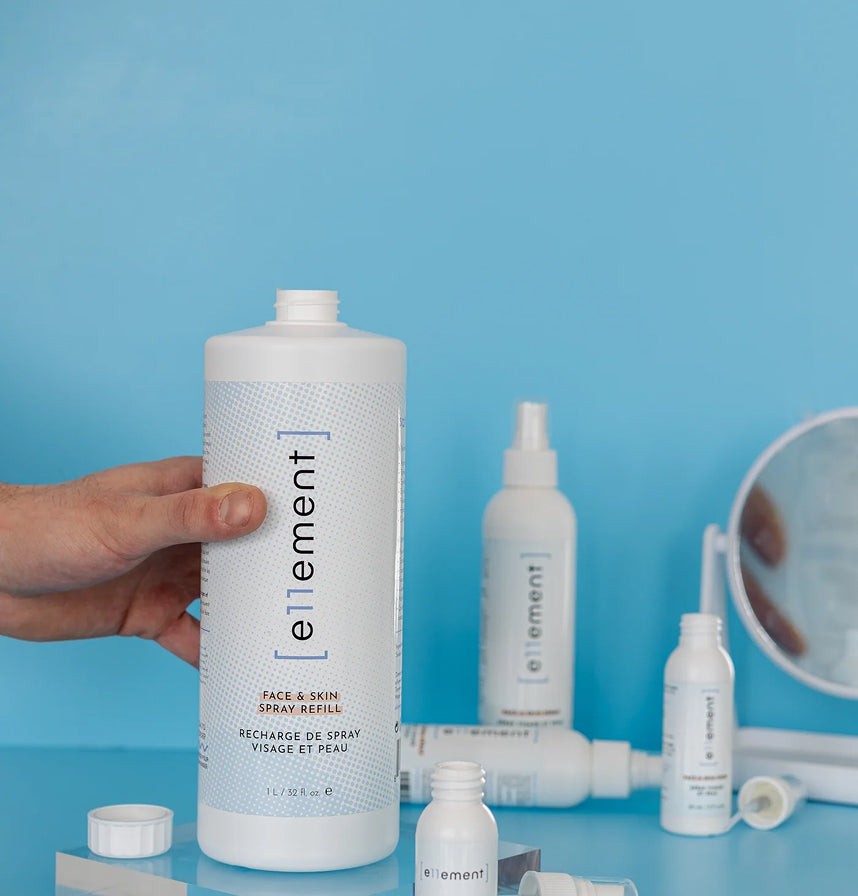
Hypochlorous acid, commonly referred to as HOCl, is a mild compound naturally produced by certain cells in the human immune system as part of the body's response to microorganisms. In skincare products, hypochlorous acid is typically formulated in low concentrations and used as a topical spray designed to help cleanse and refresh the skin.
Interest in the Benefits of Hypochlorous Acid Spray for Acne-Prone Skin has increased because people with acne often need products that support skin cleanliness without causing excessive dryness or irritation. Unlike strong exfoliating acids or alcohol-based products, hypochlorous acid sprays are generally designed to be gentle enough for frequent use when formulated appropriately.
They may be particularly useful for people whose skin becomes irritated after exercise, sweating, wearing masks, traveling, or exposure to environmental pollutants.
How Hypochlorous Acid May Help Acne-Prone Skin
Acne develops due to several factors, including excess oil production, clogged pores, inflammation, hormonal activity, and the presence of acne-associated bacteria. No single skincare ingredient can address every cause of acne, but hypochlorous acid may support a broader acne-care routine in several ways.
Helps Keep the Skin Surface Clean
Sweat, oil, dirt, and microorganisms can accumulate on the skin throughout the day. This is especially common after workouts or long periods outdoors.
Hypochlorous acid spray can provide a convenient way to refresh the skin when immediately washing the face is not practical. Keeping the skin surface clean may help reduce some of the external factors that can contribute to congestion and irritation.
However, a spray should not necessarily replace a proper facial cleanser as part of a regular morning and evening skincare routine.
May Help Reduce Skin Irritation
Inflammation is an important component of many forms of acne, particularly red pimples, papules, and pustules.
Hypochlorous acid is commonly used in skincare because of its gentle properties and compatibility with sensitive skin. It may help calm temporary redness or discomfort associated with environmental exposure, sweating, or irritated skin.
For acne-prone individuals who find strong skincare ingredients uncomfortable, a simple hypochlorous acid spray may offer a less aggressive addition to their routine.

Suitable for Sensitive and Acne-Prone Skin
People with acne sometimes use several active ingredients at the same time, including salicylic acid, benzoyl peroxide, retinoids, or exfoliating acids. While these ingredients can be useful for certain skin concerns, combining too many treatments may weaken the skin barrier or increase dryness.
Hypochlorous acid products generally do not work by aggressively exfoliating the skin. As a result, they may be easier to incorporate alongside an existing skincare routine.
Does Not Require Rinsing
One practical advantage of hypochlorous acid spray is ease of application. Many formulations can simply be sprayed onto clean skin and allowed to air-dry.
This makes the product convenient for use:
-
After exercising
-
Following prolonged mask use
-
During travel
-
After spending time outdoors
-
Between regular cleansing routines
Always follow the directions provided with the specific product, as formulations and recommended usage can differ.
Can Hypochlorous Acid Spray Help With Acne?
Hypochlorous acid spray may support acne-prone skin, but it should not be viewed as a complete acne treatment.
Moderate or severe acne can require targeted treatments that address clogged pores, excess oil production, bacterial activity, or hormonal factors. Depending on the individual, dermatologists may recommend ingredients such as benzoyl peroxide, salicylic acid, adapalene, prescription retinoids, antibiotics, or other medical treatments.
Hypochlorous acid may instead function as a supportive skincare product that helps maintain cleanliness and comfort.
People experiencing persistent, painful, cystic, or scarring acne should consider consulting a dermatologist rather than relying exclusively on over-the-counter skincare products.
How to Use Hypochlorous Acid Spray in a Skincare Routine
A simple routine is often preferable for acne-prone skin. Using too many products can make it difficult to determine which ingredient is helping or causing irritation.
Morning Routine
Start by cleansing the face with a mild cleanser. Hypochlorous acid spray can then be applied according to the product instructions and allowed to dry.
Follow with a suitable moisturizer and broad-spectrum sunscreen.
Evening Routine
After removing sunscreen, makeup, and surface impurities, cleanse the skin thoroughly. Apply hypochlorous acid spray if desired and allow it to dry before continuing with other compatible skincare products.
If prescription acne medication is being used, follow the application sequence recommended by a dermatologist.

What to Look for When Choosing a Hypochlorous Acid Spray
Product formulation matters when selecting skincare for acne-prone skin. A straightforward ingredient list may be preferable, particularly for people who are sensitive to fragrances or unnecessary additives.
Consider checking:
Hypochlorous Acid Concentration
Use products specifically formulated and labelled for topical skincare use rather than household disinfectant products containing chemically related ingredients.
Added Fragrance
Fragrance is not necessary for hypochlorous acid to perform its intended skincare function. Individuals with sensitive or reactive skin may prefer fragrance-free formulas.
Packaging
Hypochlorous acid can be sensitive to environmental conditions. Appropriate packaging can help maintain product stability. Follow the manufacturer's storage instructions and avoid using the product beyond its recommended expiry period.
Possible Side Effects and Precautions
Hypochlorous acid skincare products are generally formulated to be gentle, but individual reactions remain possible.
Before applying a new product across the entire face, consider testing it on a small area of skin. Stop using the product if persistent burning, swelling, itching, or worsening irritation develops.
People with diagnosed skin conditions, severe acne, open wounds, or ongoing prescription dermatological treatments may also benefit from consulting a healthcare professional before changing their skincare routine.
Conclusion
The benefits of hypochlorous acid spray for acne-prone skin mainly relate to its ability to provide a gentle and convenient way to support skin hygiene without relying on harsh cleansing ingredients. It may help refresh sweaty or irritated skin, complement a simple skincare routine, and provide an option for people who prefer mild formulations.
However, hypochlorous acid spray should be considered a supportive skincare product rather than a standalone treatment for acne. Consistent cleansing, suitable moisturisation, daily sun protection, and evidence-based acne treatments remain important for managing acne-prone skin effectively.