Bug bites are a common cause of temporary itching, redness, swelling, and skin discomfort. Mosquitoes, ants, fleas, bed bugs, and other insects can trigger a reaction when they bite or sting the skin. In most cases, the reaction is mild and improves with simple home care. However, excessive scratching can damage the skin and increase the risk of irritation or infection.
Many people look for gentle products to use after a bite. Hypochlorous acid, often called HOCl, is a water-based topical ingredient used in certain skincare and wound-cleansing products. It is often chosen because it feels light on the skin and does not have the heavy texture of creams or ointments.
Hypochlorous acid (HOCl) for soothing bug bites & skin relief may be considered as part of a gentle skin-care approach, but it should not replace appropriate first aid, anti-itch treatment, or medical care when symptoms are serious.
What Is Hypochlorous Acid?
Hypochlorous acid is a compound naturally produced by certain immune cells in the human body. In topical products, it is created under controlled conditions and used in diluted solutions, sprays, and skin cleansers.
Some hypochlorous acid products are intended for intact skin, while others are made for minor cuts, abrasions, or wound cleansing. The correct use depends on the product label. Always choose a product specifically designed for topical skin use and follow the manufacturer’s directions.
How Does HOCl Fit Into Skin Care?
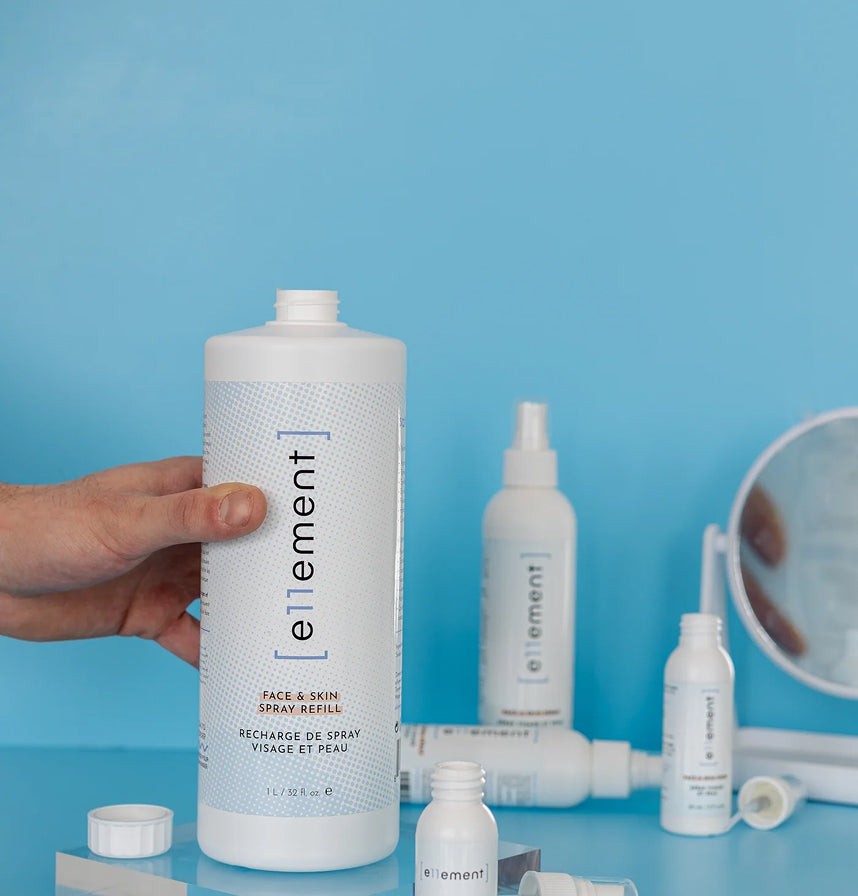
Hypochlorous acid sprays are usually water-based and can be applied without rubbing the skin. This can be helpful when the bite area feels sensitive or irritated.
However, HOCl is not a proven replacement for products commonly used to reduce itch from bug bites, such as cold packs, hydrocortisone cream, calamine lotion, or oral antihistamines. Its role is better understood as a gentle topical-care step rather than a direct treatment for all bite reactions.

Why Do Bug Bites Itch and Swell?
When an insect bites or stings, the body may react to substances introduced into the skin. This response can lead to redness, itching, swelling, warmth, or a small raised bump.
Scratching may feel temporarily relieving, but it can worsen irritation and break the skin. Once the skin is damaged, it is more vulnerable to infection and may take longer to recover.
Common Reactions to Insect Bites
Most mild insect bites cause local symptoms, such as:
-
Itching
-
Mild redness
-
Small raised bumps
-
Localised swelling
-
Tenderness or warmth
-
Temporary discomfort
These symptoms often improve over several days. The location of the bite, the type of insect, and a person’s sensitivity can affect how long it takes to settle.
How Hypochlorous Acid May Support Skin Comfort
A hypochlorous acid spray may help keep the area clean and refreshed, especially if the skin has been exposed to sweat, dust, or friction. Its light texture can feel more comfortable than thick products on humid days or on areas where clothing rubs against the skin.
For some people, a gentle topical spray can be useful when they want to avoid repeatedly touching or rubbing the bite area. However, individual results vary, and a hypochlorous acid product should not be expected to stop itching immediately.
Use It Only on Suitable Skin Areas
Before using HOCl on a bite, check the product label to confirm it is suitable for the intended area of skin. Avoid spraying near the eyes, mouth, or inside the nose unless the product specifically states that it is safe for those areas.
Do not apply products that are intended only for household disinfection or surface cleaning to the skin. A product may contain hypochlorous acid but still be unsuitable for personal topical use.
A Simple Care Routine for Mild Bug Bites
For uncomplicated bites, focus on keeping the area clean and reducing the urge to scratch. The Centers for Disease Control and Prevention recommends washing mosquito bites and
A simple routine may include the following steps:
-
Wash the bite gently with soap and clean water.
-
Pat the area dry with a clean towel.
-
Apply a hypochlorous acid topical spray only if the product label allows this use.
-
Allow the product to dry naturally.
-
Use a cold compress or wrapped ice pack for short periods if there is swelling or itch.
-
Avoid scratching the bite.
Consider Proven Anti-Itch Options
If itching is uncomfortable, an over-the-counter anti-itch cream containing hydrocortisone or an oral antihistamine may be appropriate for some people. The American Academy of Dermatology lists cold packs, hydrocortisone cream, and oral antihistamines as options for itchy bug bites.
Ask a pharmacist or doctor before using these options for young children, during pregnancy, or if you take other medicines.
Can HOCl Be Used on Scratched Bites?
A scratched bug bite may have a small break in the skin. Certain hypochlorous acid skin and wound-cleansing products are designed for minor skin irritations and superficial abrasions. However, not every facial mist or cosmetic HOCl spray is intended for broken skin.
Read the label before using the product. If it does not mention use on damaged skin, use it only on intact skin. For deeper wounds, spreading redness, pus, pain, or signs of infection, seek medical advice instead of relying on a skincare product.
Patch-Test New Products
Even gentle products can irritate some people. If you have sensitive skin, eczema, allergies, or a history of product reactions, test a small amount on an unaffected area first.
Stop use if you notice burning, worsening redness, rash, swelling, or discomfort. Do not use multiple new products at once, as this can make it difficult to identify the cause of a reaction.
When Should You Seek Medical Care?
Most mild bug bites can be managed at home. However, prompt medical help is important if symptoms suggest a severe allergic reaction or infection.
Seek emergency care immediately for:
-
Difficulty breathing or swallowing
-
Swelling of the lips, face, tongue, or throat
-
Dizziness, fainting, or confusion
-
Widespread hives
-
Severe pain after a sting
You should also contact a healthcare professional if you develop fever, body aches, a spreading rash, severe swelling, pus, or worsening pain after a bite. These symptoms may need medical assessment.
Preventing Future Bug Bites
Prevention can reduce the need for treatment. Use an appropriate insect repellent, wear long sleeves and trousers in high-insect areas, and keep windows screened where possible.
After spending time outdoors, check your skin and clothing for ticks. If you find a tick attached to the skin, remove it promptly and clean the area according to public-health guidance.
Conclusion
Hypochlorous acid can be a gentle topical option for supporting clean, comfortable skin after mild bug bites when the product is specifically labelled for skin use. It may be used alongside simple measures such as washing the area, applying a cold compress, and avoiding scratching.
However, HOCl is not a replacement for proven itch relief, medical treatment, or emergency care. Always follow the product label and seek professional advice if symptoms are severe, worsening, or unusual.