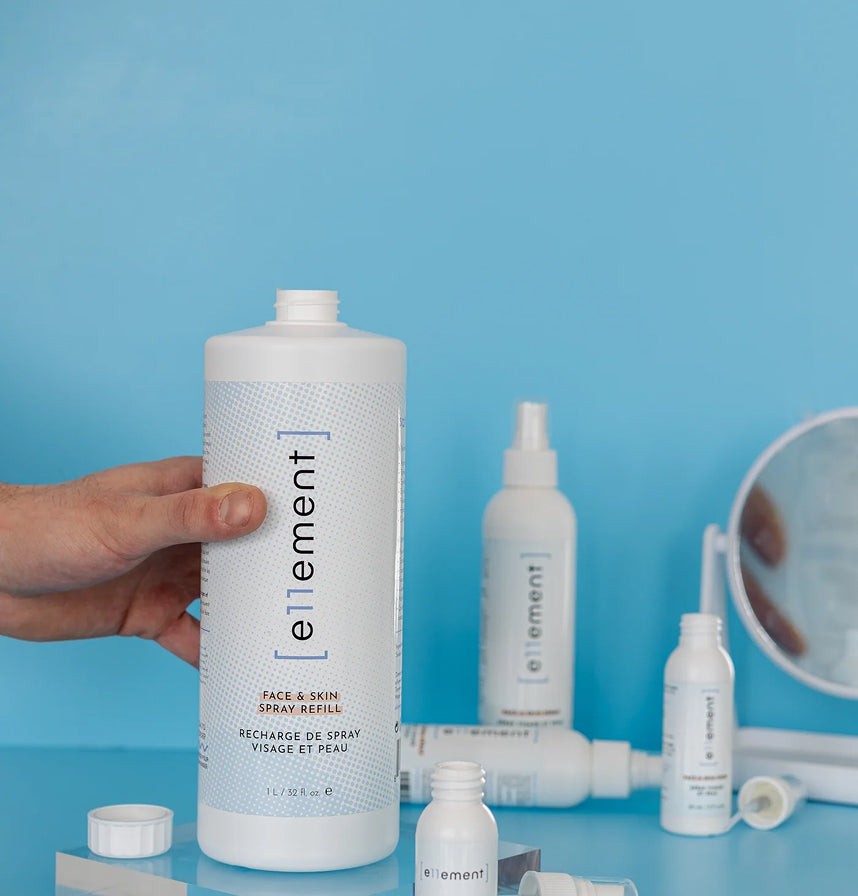
Hypochlorous acid is used in many facial mists, skin sprays, and topical cleansing products. It is often chosen for its lightweight, water-based feel and its suitability for simple skincare routines. However, one common question is whether sunlight affects the product after it has been opened or applied.
Does sunlight instantly destroy hypochlorous acid? No, sunlight does not necessarily destroy it immediately. However, direct sunlight and ultraviolet light can reduce the stability of hypochlorous acid over time. The rate of change depends on the formula, concentration, pH, bottle design, temperature, air exposure, and duration of light exposure.
For this reason, it is important to store hypochlorous acid products according to their label instructions. Proper storage helps preserve the product’s intended quality until its expiry date.
What Is Hypochlorous Acid?
Hypochlorous acid, often abbreviated as HOCl, is a compound naturally produced by certain immune cells in the body. In skincare and topical products, it is prepared in controlled conditions as a water-based solution.
It is commonly available in spray bottles and may be used to refresh the skin after cleansing, exercise, sweating, or exposure to environmental residue. Some products are designed for facial skincare, while others are intended for wound cleansing or surface disinfection.
This distinction is important. Always use a product only for the purpose stated on its packaging. A household cleaner or disinfectant should never be used on the face simply because it contains hypochlorous acid.
Why Is Hypochlorous Acid Sensitive to Light?
Hypochlorous acid is not a highly stable ingredient in water. Its composition can gradually change when exposed to factors such as light, high temperatures, air, and unsuitable storage conditions.
Sunlight Can Speed Up Product Degradation
Light contains different wavelengths, including ultraviolet rays. These rays can trigger chemical changes in hypochlorous acid solutions. Over time, this may reduce the amount of active hypochlorous acid present in the bottle.
The exact speed of degradation depends on several factors. A well-formulated product kept in protective packaging may remain stable for its stated shelf life when stored correctly. In contrast, a bottle left on a sunny windowsill, in a hot car, or outdoors for long periods may deteriorate more quickly.

Does Sunlight Affect Hypochlorous Acid on the Skin?
When you apply a hypochlorous acid facial spray, it is exposed to air and light as it dries. However, this does not mean you need to avoid daylight completely after using it.
The main storage concern is prolonged exposure of the product inside its bottle to direct light and heat. Once a facial mist is applied, it is intended to be used as directed and allowed to dry naturally.
Do Not Treat It as Sun Protection
Hypochlorous acid is not sunscreen. It does not protect skin against ultraviolet radiation, tanning, sunburn, or long-term sun damage. If you are using a hypochlorous acid spray during the day, follow it with a broad-spectrum sunscreen that suits your skin type.
Choose sunscreen labelled non-comedogenic or “won’t clog pores” if you have acne-prone skin. This can help reduce the chance of added product-related breakouts.
How Packaging Helps Preserve Product Stability
Packaging plays an important role in protecting hypochlorous acid products. Many brands use opaque, tinted, or specially designed bottles to reduce light exposure. The bottle may also be made to limit contact with air.
Clear bottles are not always unsuitable, but they should be stored carefully. A product’s formula, manufacturing process, and container type are all considered when the manufacturer determines its shelf life.
Follow the Product Label
The label is the most reliable source for a product’s storage advice. Some hypochlorous acid labels specifically instruct users to keep the product away from sunlight and heat.
Check the label for:
-
Expiry date
-
Recommended storage temperature
-
Directions after opening
-
Whether to keep the bottle tightly closed
-
Warnings about direct sunlight or heat
-
Specific instructions for topical use
Do not transfer the liquid to another spray bottle unless the manufacturer confirms that it is appropriate. Another container may not provide the same protection from light and air.
Best Storage Practices for Hypochlorous Acid Products
To help maintain product quality, store hypochlorous acid products in a cool, dry place away from direct sunlight. A cupboard, drawer, or closed skincare cabinet is generally more suitable than a bathroom windowsill.
Avoid leaving the product in places that become very warm, including a car, near a heater, or close to a sunny window.
Keep the Bottle Closed When Not in Use
Air exposure can also affect stability. Replace the cap after use or ensure the spray nozzle is secure. Leaving the bottle open for long periods may expose the solution to air and increase the chance of changes in the formula.
Avoid touching the nozzle directly to your skin, fingers, or other surfaces. Keeping the applicator clean can help reduce contamination.
Can You Use Hypochlorous Acid After Being Outside?
If your hypochlorous acid facial spray was stored correctly and you used it outdoors briefly, it is generally best to follow the product directions rather than assume it is unusable. A short period of normal daily exposure is different from storing an entire bottle in direct sunlight for days or weeks.
If the product has been exposed to strong heat or direct sun for a long time, check the label and contact the manufacturer if you are unsure. Do not rely on smell or appearance alone to determine whether it remains effective.
When Should You Replace the Product?
Replace the product when it reaches its expiry date or exceeds the period recommended after opening. Do not use it if the bottle is damaged or leaking or if the label instructions indicate that it has been stored improperly.
If you develop redness, itching, burning, or irritation after use, stop using the product. A dermatologist can advise whether the reaction may be related to the product or another skincare concern.
Conclusion
Sunlight does not instantly destroy hypochlorous acid, but extended exposure to direct light and heat can make the solution less stable over time. The best approach is to store the product in a cool, dry area away from sunlight and to follow the manufacturer’s directions.
Use a hypochlorous acid product only as intended, keep it tightly closed, and do not treat it as sunscreen. With appropriate storage and regular label checks, you can help maintain the product’s quality throughout its recommended use period.