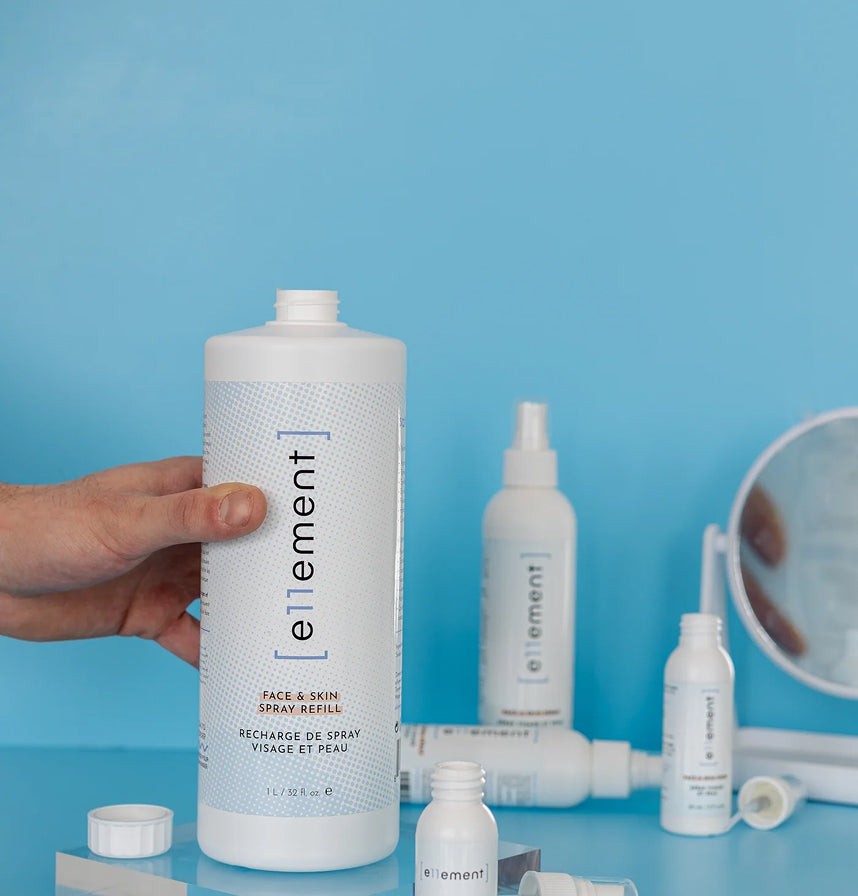
A simple skincare routine can make it easier to understand what works for your skin. Instead of using several products with strong active ingredients, many people prefer lightweight formulas that can be added without making the routine feel complicated. Hypochlorous acid face spray is one such product.
Hypochlorous acid, also known as HOCl, is commonly found in water-based facial mists and topical skin sprays. It is often used to refresh the skin after cleansing, exercise, sweating, or exposure to dust and pollution. Its fine-mist format makes it convenient to use without rubbing the face.
This guide explains Hypochlorous Acid Face Spray: Benefits & How to Use, including what the ingredient is, how it may fit into a daily routine, and the precautions to consider before use.
What Is Hypochlorous Acid Face Spray?
Hypochlorous acid is a compound that the body can naturally produce through certain immune cells. In skincare products, it is made under controlled conditions and added to a diluted, water-based formula.
A hypochlorous acid face spray is usually packaged in a mist bottle and intended for topical use. Depending on the product, it may be designed for the face, body, or general skin cleansing.
Not all HOCl products are intended for the same purpose. Some are cosmetic facial mists, while others are made for wound cleansing or medical skin care. Always read the label and use the product only as directed.
Do Not Confuse It With Household Cleaning Products
Hypochlorous acid is sometimes associated with sanitising products, but a facial spray is not the same as a household disinfectant. Household cleaners may contain ingredients, concentrations, or directions that are unsuitable for the skin.
Use only a hypochlorous acid product that is clearly labelled for facial or topical skin use. Never apply a surface cleaner, disinfectant, or homemade mixture to your face.

Potential Benefits of Hypochlorous Acid Face Spray
A hypochlorous acid face spray may support a simple skincare routine when used correctly. It is not a complete treatment for acne, eczema, sunburn, or other skin conditions, but some people may find it useful as a gentle, refreshing step.
Lightweight and Easy to Apply
Unlike thick creams or oils, facial sprays have a water-like texture. They can feel comfortable in warm or humid conditions and are easy to apply without touching the skin repeatedly.
This can be useful after commuting, working out, wearing a face mask, or spending time outdoors. Spray the product lightly over clean skin and allow it to dry naturally.
May Suit Minimal Skincare Routines
People with oily, combination, or acne-prone skin sometimes prefer products that do not feel heavy. A hypochlorous acid spray can be added after cleansing without layering another rich formula on the face.
However, a face spray does not replace moisturiser. Even oily skin needs moisture support, especially when using acne treatments or cleansing regularly.
Can Be Used After Sweat and Outdoor Activity
Sweat can combine with oil, sunscreen, and environmental residue. While a proper cleanse is still important after heavy sweating, a hypochlorous acid spray may be a practical temporary refresh when you are away from home.
For example, you may use it after a workout and then cleanse your face when possible. If you are wearing sunscreen, makeup, or significant product residue, use a gentle cleanser rather than relying only on the spray.
How to Use a Hypochlorous Acid Face Spray
The exact directions may vary between brands, so always check the bottle first. In general, a hypochlorous acid face spray is used after cleansing and before heavier products such as moisturiser or sunscreen.
A basic routine may include:
-
Cleanse your face with a mild, suitable cleanser.
-
Pat the skin dry or leave it slightly damp.
-
Hold the bottle a short distance from your face.
-
Mist lightly, keeping your eyes and mouth closed.
-
Allow the product to dry naturally.
-
Apply moisturiser, acne treatment, or sunscreen as needed.
Use It in the Morning or Evening
Most facial mists can be used in either a morning or evening routine, depending on the product directions. In the morning, use the spray after cleansing and before moisturiser and sunscreen.
At night, apply it after cleansing and before moisturiser or a suitable treatment product. If you use prescription acne medication, retinoids, benzoyl peroxide, or exfoliating acids, introduce HOCl gradually instead of changing several products at once.
Can It Help Acne-Prone Skin?
Hypochlorous acid may be a gentle supportive option for acne-prone skin, particularly if you are trying to avoid harsh, alcohol-heavy toners. However, it should not be considered a stand-alone acne treatment.
Acne may require targeted ingredients such as salicylic acid, benzoyl peroxide, adapalene, azelaic acid, or prescription medication. The right treatment depends on the type and severity of your breakouts.
Keep the Rest of Your Routine Gentle
Avoid using too many strong products at once. Over-cleansing, rough exfoliation, and frequent product changes can irritate the skin and make it difficult to understand what is causing a reaction.
Who Should Be Careful With HOCl Face Sprays?
Although hypochlorous acid sprays are often described as gentle, they may not suit every skin type. People with eczema, rosacea, allergies, very sensitive skin, or damaged skin should introduce new products with care.
Perform a Patch Test First
Before using a new facial spray regularly, apply a small amount to the inner arm or a discreet area near the jawline. Wait for 24 hours and watch for itching, burning, rash, redness, or swelling.
If you experience any discomfort, stop using the product. Seek advice from a dermatologist if you have repeated skin reactions or are unsure which products are suitable for your condition.
Storage Tips for Hypochlorous Acid Face Spray
Hypochlorous acid can become less stable when exposed to heat, air, and direct sunlight for extended periods. Store the spray in a cool, dry place away from direct sunlight.
Do not leave it in a hot car, near a window, or close to heat sources. Keep the cap secure and use the product before its expiry date. Follow the storage directions printed on the label.
When to See a Dermatologist
A hypochlorous acid face spray may fit into a simple routine, but it cannot replace medical care for persistent skin concerns. Consult a dermatologist if you have painful acne, cysts, scarring, widespread irritation, a rash, or skin symptoms that do not improve.
Conclusion
Hypochlorous acid face spray can be a useful, lightweight addition to a daily skincare routine. It may help refresh the skin after cleansing, sweating, or outdoor exposure and can work well for people who prefer a minimal routine.
For best results, use a product designed for facial skin, apply it after cleansing, and follow with moisturiser and sunscreen. Remember that it is a supportive skincare step, not a replacement for proven acne treatments or dermatologist advice.