Eczema is a common skin condition that causes dryness, itching, redness, and irritation. Managing its symptoms often requires a consistent skincare routine that protects the skin barrier and reduces exposure to potential irritants. Alongside moisturizers and prescribed treatments, hypochlorous acid has gained attention as a skincare ingredient that may help support irritated skin.
But what should you know about hypochlorous acid and eczema care before adding it to your daily routine? Understanding how it works, its potential benefits, and its limitations can help you make informed decisions about caring for sensitive, eczema-prone skin.
What Is Hypochlorous Acid?
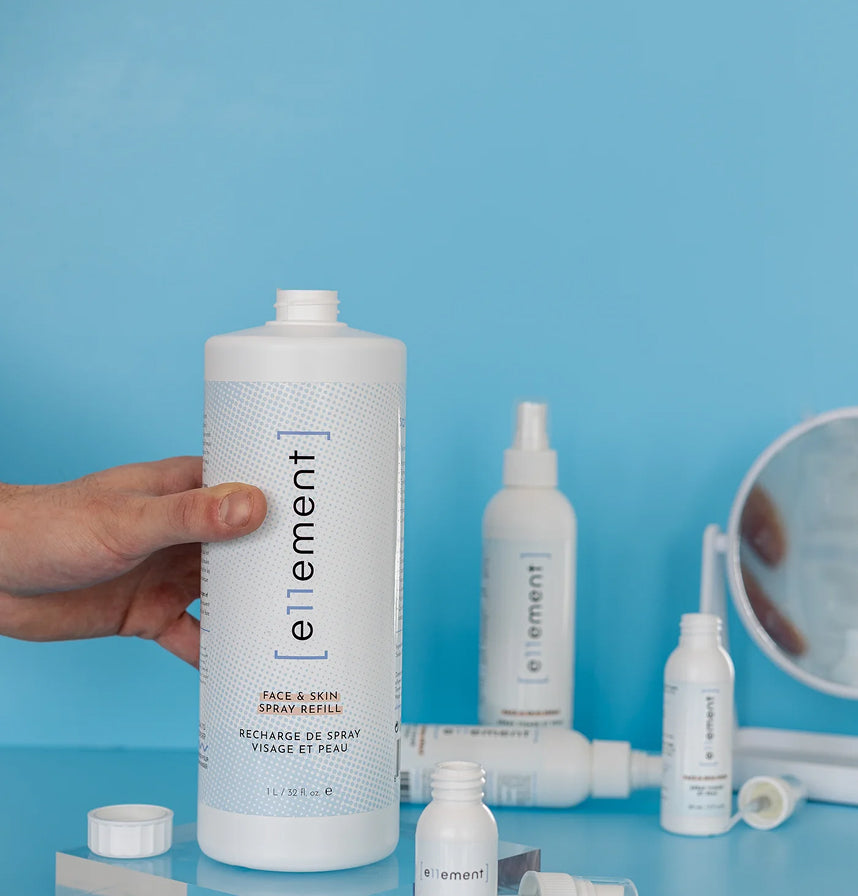
Hypochlorous acid (HOCl) is a substance naturally produced by the body's immune system. Certain white blood cells release it as part of the body's defense against microorganisms. In skincare, hypochlorous acid is produced in controlled formulations and is commonly available in sprays intended for topical use.
Depending on the formulation, hypochlorous acid products may help reduce certain microorganisms on the skin and support skin hygiene. These properties have made the ingredient popular among people looking for gentle options for irritated or sensitive skin.
However, not every product containing hypochlorous acid is suitable for every skin condition. Formulation, concentration, product quality, and intended use all matter, particularly when the skin barrier is already compromised by eczema.
How Can Hypochlorous Acid Support Eczema Care?
Eczema can weaken the skin's protective barrier, allowing moisture to escape and making the skin more vulnerable to irritants. Scratching may further damage the skin and increase the risk of infection. Hypochlorous acid may have a supporting role in a broader eczema management routine.
1. Helps Maintain Skin Hygiene
People with eczema may experience increased susceptibility to certain skin infections, especially when scratching causes breaks in the skin. Hypochlorous acid has antimicrobial activity and may help reduce some microorganisms when used as directed.
Maintaining clean skin is important, but hypochlorous acid should not be considered a replacement for medical treatment when an infection develops. Increasing pain, warmth, swelling, pus, or rapidly worsening redness should prompt medical assessment.

2. May Help Soothe Irritated Skin
Some people use hypochlorous acid sprays to refresh skin that feels uncomfortable or irritated. A suitable formulation may be well tolerated by many people, including some with sensitive skin.
However, individual experiences vary, and evidence specifically supporting hypochlorous acid as an eczema treatment remains limited. It should not be assumed to relieve itching, redness, or inflammation in every person. Stop using the product if it causes burning, increased redness, or discomfort.
3. Can Fit Into a Simple Skincare Routine
Eczema-prone skin often responds best to a simple routine with fewer potential irritants. If a healthcare professional considers a hypochlorous acid product appropriate, it may be used alongside established skin barrier care.
It does not replace regular moisturizing, gentle cleansing, or prescribed eczema medications. Its role is supportive rather than curative.
How to Use Hypochlorous Acid Safely for Eczema-Prone Skin
Choosing an appropriate product and using it correctly can help reduce the risk of irritation.
Choose a Suitable Formulation
Look for a product specifically labeled for topical skin use. Avoid using household disinfectants, cleaning solutions, or products intended for surfaces on your skin. Follow the manufacturer's instructions regarding application, storage, and expiration.
Fragrance-free formulations may be preferable for sensitive skin because fragrance can trigger irritation in some individuals.
Introduce It Gradually
Before adding a new product to your routine, test it on a small area of unaffected skin and observe for any reaction. Although this does not guarantee that the product will be tolerated on eczema-affected areas, it may help identify immediate irritation.
If your skin is severely inflamed, cracked, or weeping, consult a dermatologist before applying new products.
Follow With a Moisturizer
Hypochlorous acid does not replace a moisturizer. After using the product according to its directions, apply a fragrance-free cream or ointment to help retain moisture and support the skin barrier, provided the product instructions allow this sequence.
Avoid introducing several new skincare products simultaneously, as this makes it harder to identify the cause of a reaction.
What Are the Limitations of Hypochlorous Acid for Eczema?
Although hypochlorous acid has useful properties, it is not a proven standalone cure for eczema. Eczema is a complex inflammatory condition influenced by skin barrier dysfunction, immune responses, genetics, and environmental triggers.
The strongest foundations of eczema care remain regular moisturization, gentle bathing, avoiding known triggers, and using appropriate medical treatments when needed. Depending on the severity, a healthcare professional may recommend topical corticosteroids, calcineurin inhibitors, or other therapies.
Hypochlorous acid products may also differ in stability and effectiveness. More research is needed to establish how well they improve eczema symptoms, which formulations are most suitable, and how they compare with established treatments.
When Should You Consult a Dermatologist?
Seek professional advice if eczema symptoms persist, worsen, interfere with sleep, or do not respond to your usual routine. Prompt medical evaluation is especially important if you notice signs of infection or develop painful blisters, rapidly spreading redness, or fever.
A dermatologist can help determine whether hypochlorous acid is appropriate for your skin and explain how to incorporate it without interfering with prescribed treatments.
Conclusion
Understanding what you should know about hypochlorous acid and eczema care starts with recognizing its potential role in supporting skin hygiene and maintaining a gentle skincare routine. While its antimicrobial properties make it an ingredient worth discussing with a healthcare professional, evidence for treating eczema itself remains limited.
For healthier eczema-prone skin, prioritize regular moisturization, gentle cleansing, trigger management, and appropriate medical care. If you choose to try a hypochlorous acid product, select one designed for topical use and monitor your skin's response carefully. A dermatologist can provide personalized guidance based on your symptoms and skincare needs.