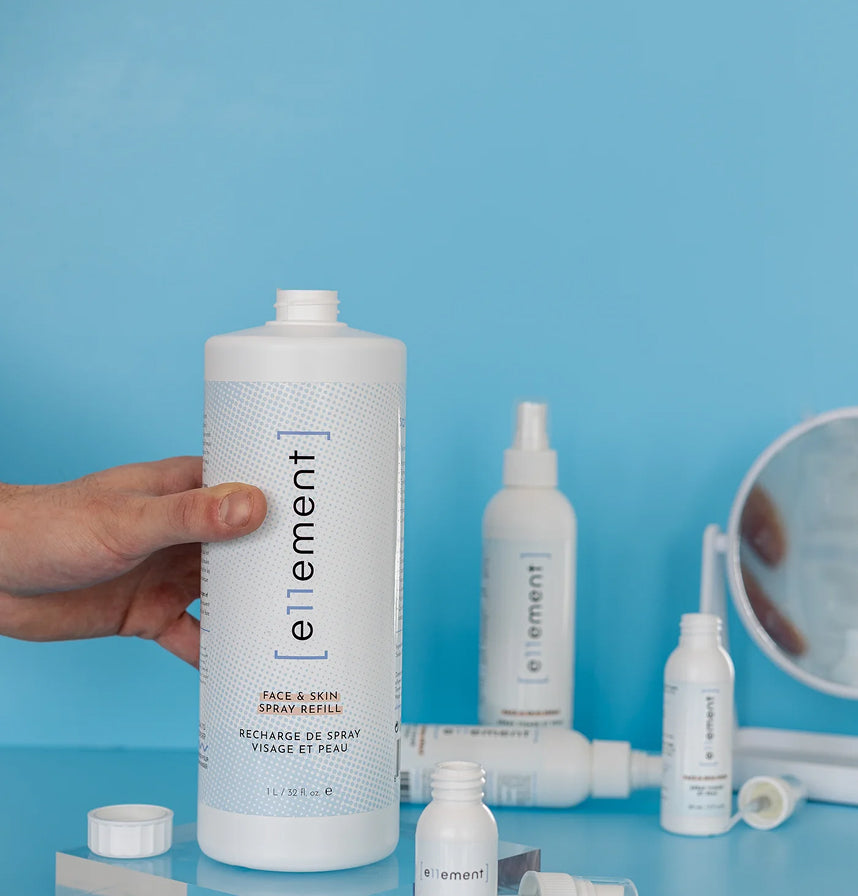
Skin redness can develop for several reasons, including dryness, environmental exposure, sensitivity, acne, and a weakened skin barrier. Finding a suitable skincare product to help calm visible redness can be challenging, particularly for people with easily irritated skin. Hypochlorous acid spray has become a popular option because of its gentle cleansing properties and potential to support skin comfort.
But can hypochlorous acid spray for redness be used in a routine? In many cases, yes. A properly formulated product may complement a daily skincare routine, provided it is suitable for the skin and used according to its instructions. Understanding how it works, when to apply it, and which precautions to follow can help you make an informed decision.
What Is Hypochlorous Acid Spray?
Hypochlorous acid (HOCl) is a substance naturally produced by the body's immune system as part of its defence against microorganisms. In skincare, it is used in appropriately formulated products designed to cleanse the skin and support skin hygiene.
Hypochlorous acid sprays are generally water-based and are often formulated without added fragrance, making some suitable for sensitive skin. However, ingredients and concentrations vary between products, so checking the label is important.
How Does Hypochlorous Acid Work on the Skin?
Hypochlorous acid has antimicrobial properties that make it useful in certain skin-cleansing applications. Depending on the formulation, it may help reduce surface impurities and support a cleaner skin environment.
For people experiencing mild irritation, this can be a helpful addition to their skincare routine. However, hypochlorous acid is not a guaranteed treatment for redness, and its effects depend on the cause of the irritation and the specific product used.

Can Hypochlorous Acid Spray for Redness Be Used in a Routine?
Yes, a skincare-formulated hypochlorous acid spray can often be incorporated into a daily routine. It is generally applied to clean skin before moisturiser and other leave-on products, following the manufacturer's directions.
Its suitability depends on individual skin needs. People experiencing occasional irritation or sensitivity may find a suitable spray helpful, while persistent redness caused by conditions such as rosacea, eczema, or allergic reactions may require targeted treatment.
Benefits of Using Hypochlorous Acid Spray
1. Helps support skin hygiene
Hypochlorous acid's antimicrobial activity may help reduce certain microorganisms on the skin's surface. This property can make it useful as part of a cleansing-focused skincare routine, although it should not replace prescribed treatment.
2. May help soothe irritated skin
Some people find appropriately formulated sprays comfortable to use when their skin feels irritated. However, evidence for reducing redness varies, and results depend on the underlying cause.
3. Can fit into a simple skincare routine
Many sprays have lightweight, water-based formulas that are easy to apply. They can be convenient for people who prefer a straightforward routine without heavy textures or unnecessary fragrance.
4. May complement acne-prone skin care
Because of its antimicrobial properties, hypochlorous acid may support skin hygiene for some people with acne-prone skin. It should not be considered a substitute for established acne treatments, and it does not address every cause of breakouts.
How to Add Hypochlorous Acid Spray to Your Daily Routine
Using a product correctly is important for maintaining skin comfort and avoiding unnecessary irritation.
Step 1: Cleanse Your Skin Gently
Begin with a mild cleanser suited to your skin type. Avoid harsh exfoliants, abrasive scrubs, or strongly fragranced cleansers if your skin is already red or sensitive.
Pat your face dry with a clean towel without rubbing.
Step 2: Apply the Spray
Follow the product label for application instructions. Some sprays are intended for direct application to the skin, while others may have specific directions concerning distance, frequency, or contact time.
Avoid spraying directly into your eyes or inhaling the mist. Allow the product to dry as directed before applying additional skincare products.
Step 3: Apply a Moisturiser
Once the spray has dried, use a gentle moisturiser to help maintain hydration and support the skin barrier. Look for formulas containing ingredients such as ceramides, glycerin, or hyaluronic acid if they suit your skin.
Step 4: Finish With Sunscreen in the Morning
Apply a broad-spectrum sunscreen with SPF 30 or higher during the daytime. Sun exposure can worsen redness associated with sensitivity and certain inflammatory skin conditions.
Introduce the spray gradually and observe how your skin responds before increasing its frequency of use.
Who Should Consider Using Hypochlorous Acid Spray?
A suitable hypochlorous acid spray may be worth considering for people who experience occasional skin irritation, prefer lightweight skincare products, or want an additional cleansing step.
However, sensitive skin can react differently to the same product. Even a simple formula may cause discomfort in some individuals. Perform a patch test according to the manufacturer's guidance, and discontinue use if you experience burning, itching, swelling, or worsening redness.
People with persistent facial flushing, painful inflammation, broken skin, or recurring rashes should consult a healthcare professional before relying on a skincare spray. These symptoms may indicate an underlying condition that needs specific treatment.
Common Mistakes to Avoid
Using more product does not necessarily improve results. Follow the recommended application frequency rather than repeatedly spraying your face throughout the day.
Avoid combining multiple new skincare products at once, as this makes it harder to identify the cause of irritation. Also, do not assume that every hypochlorous acid product is suitable for facial use. Choose a product specifically intended for the skin and follow its storage instructions to maintain product stability.
Conclusion
Hypochlorous acid spray can be a practical addition to a skincare routine for some people dealing with occasional irritation and redness. Its antimicrobial properties and convenient application make it useful as a complementary cleansing step, particularly when paired with a gentle cleanser, moisturiser, and daily sunscreen.
Ultimately, whether hypochlorous acid spray for redness belongs in your routine depends on your skin type, the cause of the redness, and the formulation you choose. Use it as directed, monitor your skin's response, and seek professional advice if redness persists or worsens. A consistent, gentle routine is often more helpful than adding multiple products in an attempt to calm irritated skin.