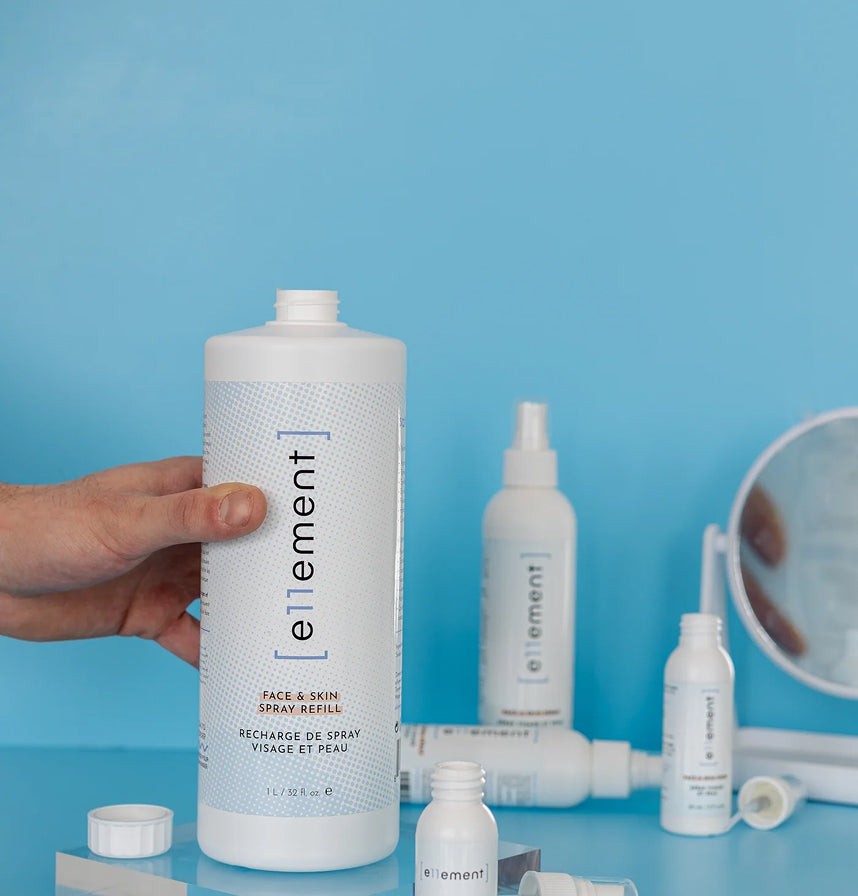
Cold weather often brings a common skincare concern: persistent redness. Dry air, low humidity, indoor heating, and frequent face washing weaken the skin barrier, making skin more reactive. One ingredient increasingly used in dermatology-backed skincare for winter sensitivity is hypochlorous acid. A hypochlorous acid spray that calms redness in winter offers a gentle, practical solution for irritated and reactive skin types.
Why Skin Becomes Red in Winter
Winter conditions affect the skin in multiple ways. Cold air outside and heated air indoors reduce moisture levels, leading to dehydration. As the skin barrier weakens, blood vessels become more visible, resulting in redness and irritation. People with sensitive skin, rosacea-prone skin, or eczema often experience worsened symptoms during colder months.
Frequent cleansing, hot showers, and harsh products further disrupt the skin’s natural balance. This creates an ongoing cycle of dryness, irritation, and redness.
The Role of the Skin Barrier
The skin barrier acts as a protective layer that prevents moisture loss and blocks irritants. When this barrier is compromised, skin becomes more reactive. Supporting barrier repair is essential for reducing winter redness and maintaining skin comfort.
What Is Hypochlorous Acid?
A Substance Naturally Produced by the Body
Hypochlorous acid (HOCl) is a substance naturally produced by white blood cells as part of the immune response. Its primary function is to help defend against harmful microorganisms while supporting tissue healing.
In skincare formulations, hypochlorous acid is produced in a stabilized, skin-safe concentration that mimics the body’s natural processes.
How Hypochlorous Acid Works on Skin
Hypochlorous acid helps reduce irritation by calming inflammatory responses on the skin’s surface. It supports the skin’s natural repair mechanisms without stripping moisture or disrupting the skin barrier. Unlike many active ingredients, it does not rely on exfoliation or aggressive action.
This makes it suitable for frequent use, especially during winter when skin tolerance is lower.

Benefits of Using a Hypochlorous Acid Spray in Winter
Helps Calm Redness and Irritation
A hypochlorous acid spray that calms redness in winter works by soothing stressed skin and reducing visible signs of irritation. It is often used to manage redness caused by cold exposure, wind, or dryness.
Supports Sensitive and Reactive Skin
Because hypochlorous acid is gentle and non-irritating, it is commonly recommended for sensitive skin types. It can be used alongside other skincare products without causing additional sensitivity.
Maintains Skin Comfort Without Heavy Textures
Winter skincare often involves thick creams, which may not suit all skin types. Hypochlorous acid sprays provide lightweight hydration support without adding heaviness, making them suitable for daily use.
How to Use Hypochlorous Acid Spray in a Winter Routine
When to Apply
Hypochlorous acid spray can be applied after cleansing and before moisturizing. It can also be used throughout the day to relieve redness caused by environmental exposure.
How Often to Use
Most formulations are designed for multiple daily applications. Regular use helps maintain skin comfort and reduces the likelihood of flare-ups during colder months.
Suitable Skin Types
-
Sensitive skin
-
Redness-prone skin
-
Post-procedure skin
- Acne-prone skin experiencing winter irritation
Always check product instructions for specific usage guidelines.
Is Hypochlorous Acid Safe for Daily Use?
Hypochlorous acid is considered safe for regular use when formulated correctly. Dermatologists often recommend it for compromised skin due to its non-sensitizing nature. It does not contain alcohol, fragrance, or harsh preservatives in most formulations, which further reduces the risk of irritation.
Final Thoughts
Managing winter redness requires consistent barrier support and gentle care. A hypochlorous acid spray that calms redness in winter provides a practical option for individuals seeking relief without relying on heavy or reactive formulations. By supporting the skin’s natural repair processes, hypochlorous acid fits well into winter skincare routines focused on comfort, balance, and skin health.
Used correctly, it can help maintain calmer-looking skin throughout the colder months without complicating an existing routine.