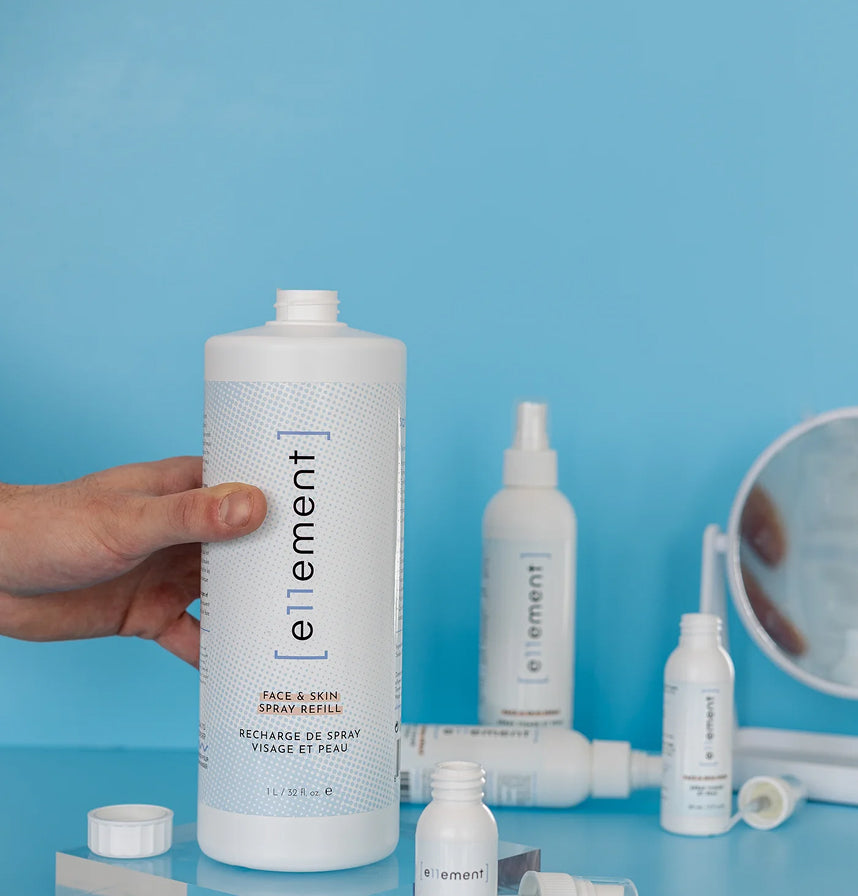
Healthy skin requires gentle cleansing, proper hydration, and consistent care. However, acne, redness, dryness, and irritation can make it difficult to maintain a comfortable complexion. Hypochlorous acid spray has gained attention as a skincare product that may help calm irritated skin and support its natural protective functions. Its gentle formulation makes it an appealing option for people looking for an additional step in their skincare routine.
Understanding the benefits, limitations, and correct use of hypochlorous acid spray can help you decide whether it suits your skin's needs. From acne-prone skin to eczema-related discomfort, this ingredient offers several potential benefits when used appropriately.
What Is Hypochlorous Acid Spray?
Hypochlorous acid (HOCl) is a substance naturally produced by white blood cells as part of the body's immune response. It helps the body defend itself against microorganisms and plays a role in the natural inflammatory response.
In skincare, hypochlorous acid is produced in controlled formulations and diluted to concentrations suitable for topical use. These sprays are designed to support skin hygiene while being gentle when formulated correctly.
Unlike harsh cleansers that may strip away natural oils, a well-formulated hypochlorous acid spray is generally intended for use without aggressive scrubbing. However, product quality, concentration, pH, and storage conditions can influence its effectiveness and suitability.

Key Benefits of Hypochlorous Acid Spray for Skin
1. May Help Manage Acne-Prone Skin
Acne develops through several factors, including excess oil production, clogged pores, inflammation, and the activity of acne-associated bacteria. Hypochlorous acid has antimicrobial properties that may help reduce certain microorganisms on the skin's surface.
For people with acne-prone skin, a suitable spray may serve as a supplementary step after cleansing. It can be particularly appealing to those who prefer lightweight skincare products that do not leave a heavy residue.
However, hypochlorous acid spray is not a proven replacement for established acne treatments such as benzoyl peroxide, topical retinoids, or salicylic acid. Persistent or severe acne may require advice from a dermatologist.
2. May Soothe Redness and Skin Irritation
Environmental exposure, shaving, sweating, and certain skincare products can leave the skin feeling uncomfortable or looking red. Hypochlorous acid is being studied for its potential to support skin comfort and manage inflammation.
A suitable facial spray may help provide a refreshing, gentle step for skin experiencing minor irritation. It can also be useful after exercise when sweat and surface impurities accumulate.
If redness is persistent, painful, or accompanied by swelling, it is important to identify the underlying cause rather than relying on a spray alone.
3. Supports Care for Eczema-Prone Skin
Eczema is a chronic inflammatory skin condition associated with dryness, itching, irritation, and a weakened skin barrier. Some people with eczema also experience increased susceptibility to skin infections.
Hypochlorous acid products may help support skin hygiene and reduce certain surface microorganisms. This can make them a possible supplementary option for some individuals with eczema-prone skin.
Nevertheless, hypochlorous acid spray does not cure eczema or replace prescribed treatment. Fragrance-free moisturisers, appropriate cleansing, and treatments recommended by a healthcare professional remain important. Anyone with active eczema should check with a clinician before introducing a new product, especially if the skin is cracked, weeping, or infected.
4. May Help Refresh Skin After Exercise
Sweat, oil, and environmental impurities can accumulate during workouts and outdoor activities. Hypochlorous acid spray offers a convenient way to refresh the skin when immediate cleansing is not practical.
It may be useful for people who exercise regularly or experience irritation associated with sweating. However, it should not replace washing the face after heavy sweating whenever clean water and a suitable cleanser are available.
5. Fits Into Many Skincare Routines
Hypochlorous acid spray is often lightweight and easy to apply. Depending on the formulation, it may suit different skin types, including oily and sensitive skin.
Its simple application can make it a practical addition to routines that already include cleansing, moisturising, and sun protection. Always check the label for intended use, ingredients, and recommended application frequency.
How to Use Hypochlorous Acid Spray
Using the product correctly can help minimise irritation and support consistent skincare.
Step 1: Cleanse your skin. Start with a gentle cleanser to remove makeup, excess oil, and daily impurities.
Step 2: Apply the spray. Follow the product instructions, applying it to clean skin at the recommended distance. Avoid direct contact with the eyes unless the product is specifically approved for that use.
Step 3: Allow it to dry. Let the spray dry naturally before applying additional skincare products.
Step 4: Moisturise. Use a suitable moisturiser to maintain hydration and support the skin barrier.
Step 5: Apply sunscreen in the morning. Finish your daytime routine with broad-spectrum sunscreen with SPF 30 or higher.
Follow the manufacturer's storage instructions because hypochlorous acid formulations can lose effectiveness if exposed to unsuitable conditions.
Are There Any Side Effects?
Hypochlorous acid sprays formulated for topical skincare are generally well tolerated, but individual reactions can vary. Some users may experience temporary stinging, dryness, or irritation.
Choose a product specifically intended for the skin, avoid mixing it with other chemicals, and discontinue use if irritation develops. Seek medical advice for severe reactions or worsening symptoms.
Conclusion
Hypochlorous Acid Spray: Benefits for Acne, Eczema & More highlights why this ingredient has become a consideration in modern skincare routines. Its potential antimicrobial and soothing properties may support skin hygiene, help manage minor irritation, and complement care for acne-prone or eczema-prone skin.
The best results come from choosing a suitable formulation and using it alongside established skincare practices. Hypochlorous acid spray is a supportive product rather than a cure for skin conditions. If you have persistent acne, eczema flare-ups, or ongoing irritation, consult a dermatologist to determine the most appropriate treatment for your skin.