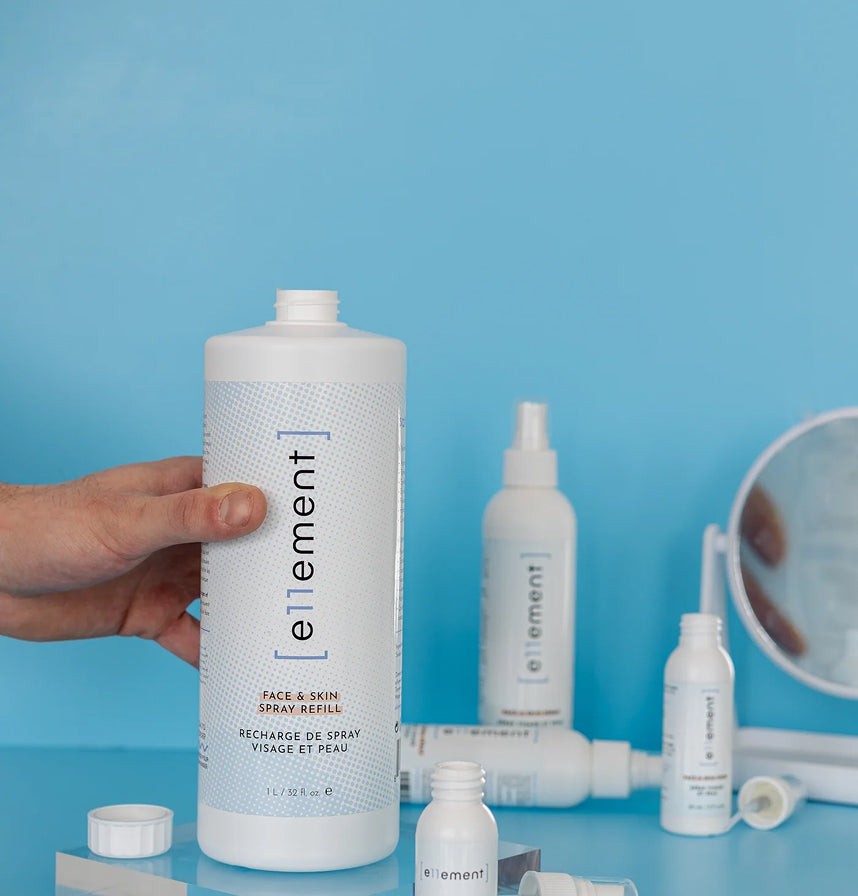
Hypochlorous acid is gaining steady attention among people looking for gentler and more effective skin-care options. Although it may sound like a harsh chemical, it is actually something the human body produces as a part of its natural defence mechanism. This is one reason it is being studied and used in various dermatology-focused formulations. The central question many people ask is: Can Hypochlorous Acid Actually Benefit Your Skin.
Hypochlorous acid (HOCl) is a naturally occurring molecule produced by white blood cells to support the body’s protective processes. In topical skin-care products, it is created through controlled formulations that match the molecule found in the body.
Although its name may sound similar to ingredients used in household cleaners, its behaviour in skin-care concentrations is different. Formulators use balanced, skin-compatible strengths that are intended for topical use. This distinction makes HOCl suitable for sensitive skin categories as well.
How Hypochlorous Acid Works on the Skin
Understanding how HOCl behaves on the skin helps answer the question: Can Hypochlorous Acid Actually Benefit Your Skin?
Its effects come from three fundamental properties that work together:
1. Helps Support the Skin Barrier
The skin barrier plays an essential role in maintaining hydration levels and preventing daily environmental stress. HOCl helps maintain a cleaner surface environment, which indirectly aids normal barrier function. When the skin’s surface is less burdened by irritants, the barrier can operate more effectively.
2. Helps Reduce Surface-Level Irritation
Another reason HOCl is valued in dermatology is its soothing profile. Many users experience reduced visible redness and discomfort when using HOCl sprays or solutions. It does not behave like a strong acid exfoliant; instead, it helps calm the appearance of irritated or sensitized areas.
HOCl is versatile because of its low irritation potential. Several skin situations can benefit from its presence in a routine:
Sensitive or Easily Irritated Skin
People with sensitivity often struggle to find products that do not trigger redness or discomfort. HOCl’s calming behaviour makes it a suitable option for reactive skin types. It can be used after cleansing, post-exercise, or anytime the skin feels unsettled.
Acne-Prone Skin
Acne-prone individuals may experience breakouts that are worsened by irritation or an imbalanced surface environment. HOCl supports a cleaner skin surface, which may help reduce future flare-ups when used consistently.
Post-Procedure Care
Dermatologists often recommend HOCl-based products after treatments such as laser procedures, chemical peels, or micro-needling. Its gentleness helps the skin remain soothed during recovery while creating a supportive environment for healing.
Daily Maintenance for All Skin Types
Even people without specific concerns can use HOCl as a refreshing step. It works well as a mid-day skin hydrator, a gym-bag spray, or a calming mist after sun exposure.

Is Hypochlorous Acid Safe for Daily Use?
Safety is often the biggest concern when people hear the word "acid." HOCl behaves differently from exfoliating acids such as glycolic or salicylic acid.
Here’s why it is generally considered safe:
It Mimics a Naturally Occurring Molecule
Because the body already produces HOCl, the skin tends to tolerate it well. Its structure is recognized by the skin’s natural defence system.
Low Irritation Potential
Dermatologists frequently recommend it to individuals who cannot tolerate traditional active ingredients. It is also used on children and individuals with sensitive skin conditions under appropriate guidance.
No Harsh Drying Effects
Unlike alcohol-heavy solutions, HOCl does not strip moisture. This makes it suitable for long-term use without disrupting the skin’s hydration balance.
Works With Most Other Ingredients
Retinol, niacinamide, ceramides, peptides, and hyaluronic acid all pair well with HOCl. It does not cause chemical conflicts within a routine.
What to Expect When You Start Using Hypochlorous Acid
HOCl does not provide dramatic overnight changes. Instead, its benefits show gradually through improved comfort and a calmer skin appearance.
Common expectations include:
-
Reduced visible redness
-
A cleaner and more balanced skin feel
-
Less discomfort after sweating or shaving
-
A smoother skin surface over time
Consistency plays a major role in noticing results.
Final Thoughts:
Can Hypochlorous Acid Actually Benefit Your Skin yes, when used correctly, it can support overall skin health. Its gentle nature, soothing capabilities, and ability to maintain a balanced skin environment make it suitable for a wide range of skin types.
People with sensitive or acne-prone skin may particularly appreciate its calming behaviour, while others can use it as a simple, effective addition to maintain comfort during daily activities. HOCl does not replace core routine steps, but it can enhance the way the skin responds to them.
With regular use, HOCl can become a reliable part of a routine designed to keep the skin clear, comfortable, and stable through everyday conditions.