Spring often brings changes in temperature, humidity, pollen levels, and daily routines. While the season may feel refreshing, these environmental shifts can affect the skin. Increased exposure to allergens, outdoor activity, sweat, and changing weather may lead to redness, irritation, dryness, or breakouts.
A spring skincare reset does not need to involve a long list of new products. In many cases, simplifying the routine and introducing gentle ingredients can be more effective. One ingredient gaining attention for its soothing and cleansing properties is hypochlorous acid.
Spring Skin Reset With Hypochlorous Acid Skincare focuses on supporting the skin barrier, reducing visible irritation, and maintaining a clean skin surface without relying on harsh treatments.
What Is Hypochlorous Acid?
Hypochlorous acid is a mild substance naturally produced by the body’s immune system. White blood cells create it as part of the body’s response to unwanted microorganisms and irritation.
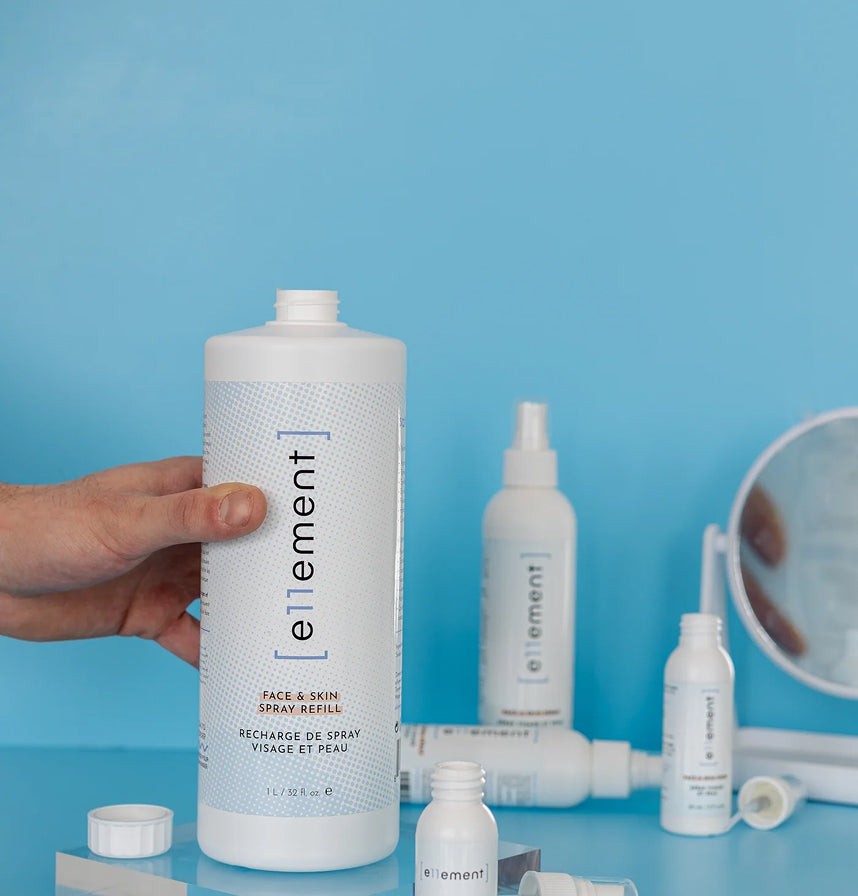
In skincare products, hypochlorous acid is usually formulated as a lightweight spray or solution. It is commonly used to cleanse the skin, calm visible redness, and support sensitive or stressed skin.
Despite the word “acid” in its name, hypochlorous acid is different from exfoliating acids such as glycolic acid, salicylic acid, or lactic acid. It does not remove dead skin cells or increase skin turnover. Instead, it works as a gentle skin-supporting ingredient.

Why Skin May Need a Reset in Spring
Winter conditions often leave the skin dry, tight, or sensitive. As spring begins, increased humidity and warmer temperatures can change how much oil and sweat the skin produces.
Pollen and outdoor pollutants may also settle on the skin, especially around the face, neck, and hairline. People who exercise outdoors or spend more time travelling may experience additional exposure to dirt, sweat, and environmental irritants.
Common spring skin concerns include:
-
Increased redness or sensitivity
-
Breakouts caused by sweat and oil
-
Dryness after winter
-
Irritation from seasonal allergens
-
Discomfort after shaving or hair removal
-
Congestion caused by heavier winter products
A seasonal reset should focus on gentle cleansing, lightweight hydration, sun protection, and products that support the skin barrier.
How Hypochlorous Acid Supports a Spring Routine
It Helps Calm Visible Irritation
Hypochlorous acid sprays are often used when the skin feels irritated, warm, or uncomfortable. The lightweight formula can be applied without rubbing, which may be helpful for reactive or sensitive skin.
It can be especially useful after outdoor exposure, exercise, shaving, or wearing a face covering for long periods.
It Supports Breakout-Prone Skin
Sweat, oil, and frequent touching can contribute to spring breakouts. Hypochlorous acid may help keep the skin surface clean without the dryness sometimes associated with strong cleansers or alcohol-based products.
It can be applied after workouts, during travel, or whenever washing the face is not practical. However, it should not replace a complete cleansing routine at the end of the day.
It Works With Sensitive Skin
Many skincare ingredients can cause temporary stinging or dryness, particularly when the skin barrier is already weakened. Hypochlorous acid is generally used because it is gentle and does not exfoliate the skin.
It may suit people who find traditional toners, fragranced mists, or strong acne treatments uncomfortable. A patch test is still advisable before adding any new product to a routine.
How to Use Hypochlorous Acid in Your Skincare Routine
Hypochlorous acid is usually easy to add to a morning or evening routine.
Begin by cleansing the skin with a mild cleanser. Spray the hypochlorous acid solution evenly across the face, keeping the eyes closed. Allow it to air-dry before applying serums, moisturiser, or sunscreen.
A simple spring routine may include:
-
Gentle cleanser
-
Hypochlorous acid spray
-
Lightweight moisturiser
-
Broad-spectrum sunscreen in the morning
It can also be used during the day after exercise, commuting, or outdoor activities. Avoid wiping it away immediately, as the product needs time to dry on the skin.
Always follow the instructions provided with the product, as concentrations and recommended use may vary.
Ingredients to Pair With Hypochlorous Acid
Hypochlorous acid can be used alongside many common skincare ingredients. It generally pairs well with hydrating and barrier-supporting ingredients such as:
-
Hyaluronic acid
-
Glycerin
-
Ceramides
-
Panthenol
-
Niacinamide
-
Squalane
When using stronger ingredients such as retinoids, exfoliating acids, or benzoyl peroxide, introduce products gradually. Using too many active ingredients at once may increase dryness or irritation, even if hypochlorous acid itself is gentle.
Choosing a Hypochlorous Acid Product
Look for a product specifically formulated for use on the skin. The packaging should clearly state the ingredient list, storage instructions, and expiry information.
Hypochlorous acid can lose effectiveness when exposed to heat, light, or air for extended periods. Choose packaging designed to protect the formula and store it according to the manufacturer’s directions.
Avoid products containing unnecessary fragrance or added alcohol if your skin is sensitive. A simple formula is often easier to incorporate into an existing routine.
Additional Tips for a Spring Skin Reset
Review the rest of your skincare routine when the season changes. Heavy creams used during winter may feel uncomfortable as temperatures rise. Replace them with a lighter moisturiser if the skin begins to feel oily or congested.
Wash pillowcases, makeup brushes, reusable face coverings, and towels regularly. Remove sweat soon after exercise, but avoid washing the face excessively.
Daily sunscreen remains essential during spring. Apply a broad-spectrum formula to the face, neck, and other exposed areas, and reapply when spending extended time outdoors.
Conclusion
Spring Skin Reset With Hypochlorous Acid Skincare offers a simple way to support skin affected by changing weather, sweat, allergens, and increased outdoor activity. Hypochlorous acid can help cleanse the skin surface, calm visible irritation, and complement a gentle skincare routine.
For the best results, use it alongside mild cleansing, suitable hydration, and daily sun protection. Keep the routine consistent, introduce new products gradually, and consult a dermatologist if irritation, breakouts, or redness continue.