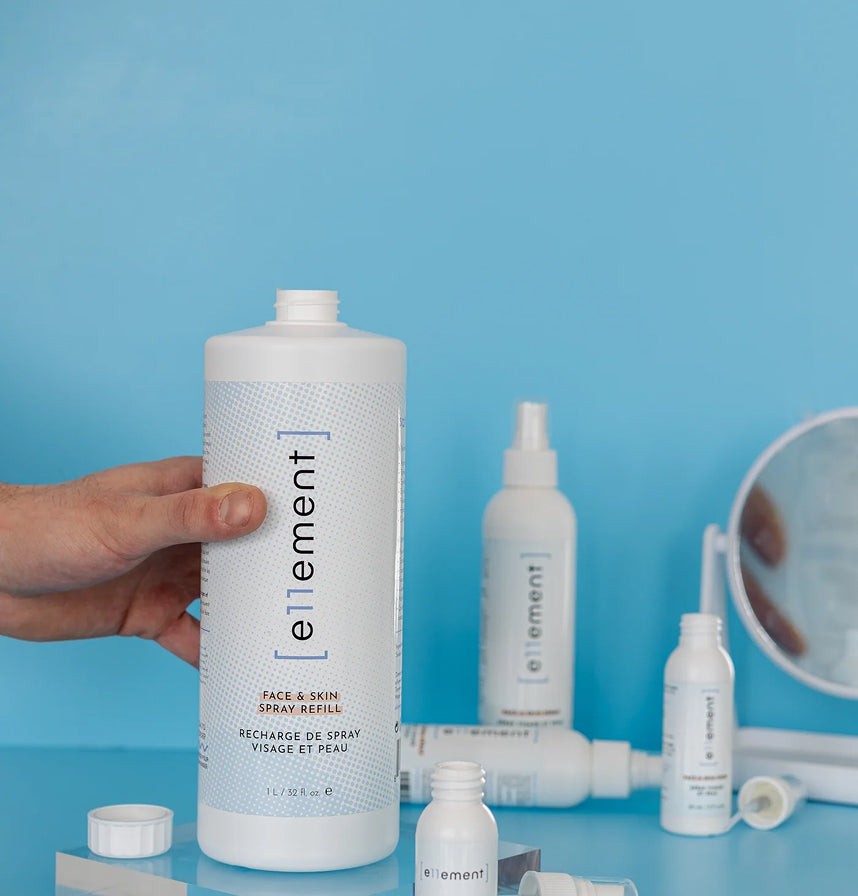
Hypochlorous acid spray has become a common addition to skincare routines designed to calm irritated, sensitive, or blemish-prone skin. It is often used after exercise, during travel, following sun exposure, or whenever the skin feels uncomfortable. However, many users are uncertain about whether the product can be applied outdoors or used alongside sunscreen.
Understanding Hypochlorous Acid Spray in the Sun Within Skincare requires looking at two separate : how sunlight affects the product inside its container and how the ingredient behaves after it is applied to the skin. Correct application and storage can help maintain product quality while supporting a practical daytime skincare routine.
What Is Hypochlorous Acid Spray?
Hypochlorous acid is a weak acid naturally produced by the body’s immune system. In skincare products, it is usually formulated as a gentle water-based spray intended to support clean, calm and balanced skin.
It is commonly used on:
-
Red or irritated skin
-
Blemish-prone areas
-
Skin affected by sweat
-
Minor surface discomfort
-
Sensitive facial and body skin
-
Skin exposed to environmental impurities
Hypochlorous acid sprays are generally lightweight and do not usually leave a greasy or heavy layer. This makes them easy to apply during the day, including before sunscreen or makeup.

Can Hypochlorous Acid Spray Be Used in the Sun?
Hypochlorous acid spray can generally be applied during the daytime. It is not typically considered a photosensitizing skincare ingredient, meaning it does not normally increase the skin’s sensitivity to sunlight in the way that some exfoliating acids or retinoids may.
However, it is important to understand that hypochlorous acid spray does not provide sun protection. Applying it before going outdoors does not replace sunscreen, protective clothing or other sun-safety measures.
Use Sunscreen After the Spray Dries
For daytime use, apply the spray to clean skin and allow it to dry completely. Follow with a broad-spectrum sunscreen suited to your skin type. The sunscreen should remain the final protective skincare step before makeup.
A simple morning order may include:
-
Gentle cleanser
-
Hypochlorous acid spray
-
Moisturiser, when required
-
Broad-spectrum sunscreen
-
Makeup, if used
Allowing each layer to settle can reduce pilling and ensure the sunscreen forms an even layer.
How Sunlight Affects the Product
Although hypochlorous acid can be used on the skin during the day, the product itself may be sensitive to heat, direct sunlight and improper storage. Prolonged exposure to strong light or high temperatures may reduce the stability and effectiveness of the formula.
Avoid Leaving the Bottle in Direct Sunlight
Do not leave the spray bottle:
-
On a sunny windowsill
-
Inside a hot vehicle
-
Beside outdoor pools for long periods
-
In direct sunlight at the beach
-
Near heaters or other heat sources
Store the bottle in a cool, dry area according to the manufacturer’s instructions. Some products are supplied in opaque or light-resistant packaging to help protect the formula.
If carrying the spray outdoors, keep it inside a handbag, backpack or shaded pouch rather than placing it directly under the sun.
Benefits of Using Hypochlorous Acid Spray During the Day
Daytime use may be helpful when the skin is exposed to sweat, pollution, heat or repeated touching. The spray can provide a convenient way to refresh the skin without using a full cleansing routine.
After Exercise or Sweating
Sweat, oil and friction may contribute to discomfort or clogged pores. Applying hypochlorous acid spray after exercise may help refresh the skin, especially when immediate cleansing is not possible.
For the best result, gently remove excess sweat with a clean towel before applying the spray. Avoid rubbing the skin aggressively.
During Travel
Long journeys can expose the skin to dry air, shared surfaces and environmental pollutants. A hypochlorous acid spray may be used as a simple refresh step during travel. However, users should avoid touching the spray nozzle or applying the product over visibly dirty skin without cleansing when possible.
Following Mild Sun Exposure
The spray may feel soothing on warm or mildly uncomfortable skin after outdoor exposure. Nevertheless, it should not be treated as a remedy for severe sunburn.
Skin with blistering, significant swelling, intense pain or other serious symptoms should be assessed by a healthcare professional.
Can It Be Reapplied Over Sunscreen?
Applying a facial mist over sunscreen may disturb the protective layer, particularly if the skin is rubbed or wiped afterwards. A light spray may be convenient, but it should not be assumed that the original sunscreen protection remains unchanged.
When sunscreen has been disrupted by sweat, water, wiping or repeated misting, reapply it according to the product instructions. Sunscreen generally requires regular reapplication during prolonged outdoor exposure.
If using hypochlorous acid spray after exercise, swimming or heavy sweating, allow the skin to dry and then apply a fresh, even layer of sunscreen.
Who Should Use It Carefully?
Hypochlorous acid is often formulated for sensitive skin, but reactions remain possible with any skincare product. Check the ingredient list and perform a patch test before applying it widely.
Consult a dermatologist when:
-
Skin irritation continues or worsens
-
The skin is broken or severely inflamed
-
You have a diagnosed skin condition
-
You are combining several prescription products
-
The spray causes burning, swelling or persistent redness
Users should also avoid spraying directly into the eyes unless the product is specifically designed and labelled for that purpose.
How to Choose and Store a Hypochlorous Acid Spray
Choose a product intended for skincare use rather than a general household disinfectant. The label should clearly provide application instructions, storage guidance and an expiry or use-by date.
Keep the nozzle clean and close the cap properly after each use. Do not transfer the formula into an unapproved clear container, as this may affect its stability or increase contamination risk.
Discard the product if its colour, smell or appearance changes unexpectedly, or if it has passed its stated expiry period.
Conclusion
Hypochlorous acid spray can be included in a daytime skincare routine and may be useful after sweating, travel or environmental exposure. It can generally be applied before sunscreen, provided the spray is allowed to dry and followed with suitable sun protection.
The main sunlight-related concern involves product storage rather than increased photosensitivity. Keep the bottle away from direct sun and excessive heat, follow the label instructions, and remember that hypochlorous acid spray cannot replace sunscreen. With careful use, it can serve as a simple supporting step for maintaining comfortable, refreshed skin throughout the day.