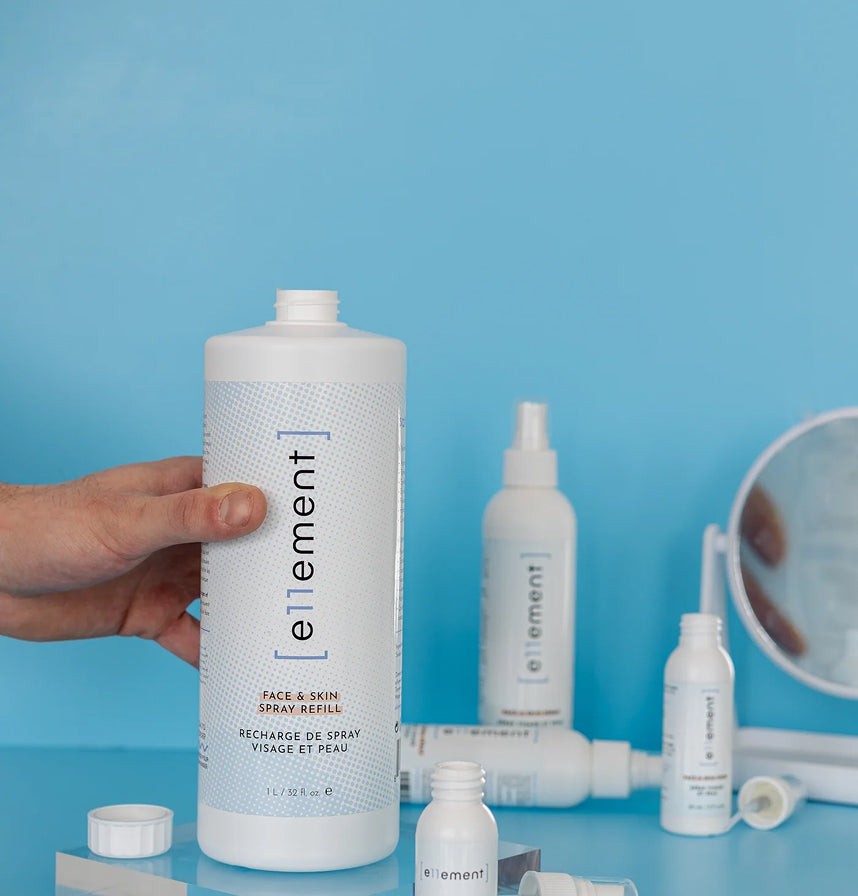
Sunburn is a common skin concern caused by prolonged exposure to ultraviolet (UV) rays. It often results in redness, irritation, heat, peeling, and sensitivity. While traditional sunburn treatments focus on cooling and moisturizing the skin, many people are now exploring advanced skin-soothing options that work with the body’s natural healing process. One such option gaining attention is hypochlorous acid. Understanding how hypochlorous acid for sunburn works can help you choose a safe and effective approach to skin recovery.
What Is Hypochlorous Acid?
Hypochlorous acid is a naturally occurring substance produced by the human immune system. White blood cells generate it to help fight harmful microorganisms and support tissue repair. In skincare, hypochlorous acid is formulated into gentle topical sprays or solutions designed to soothe irritated skin without causing further damage.
Unlike harsh antiseptics, hypochlorous acid is non-toxic, non-irritating, and safe for regular use. This makes it suitable for compromised skin, including sunburned areas that require careful handling.

How Sunburn Affects the Skin
Sunburn occurs when UV radiation damages skin cells faster than the body can repair them. This damage triggers inflammation, leading to redness, swelling, pain, and heat. In more severe cases, blistering and peeling may develop as the skin attempts to regenerate.
Common Symptoms of Sunburn
-
Redness and warmth
-
Tenderness or pain
-
Swelling
-
Dryness or peeling
-
Increased skin sensitivity
Managing inflammation and protecting the skin barrier are key steps in sunburn recovery. This is where hypochlorous acid can play a supportive role.
How Hypochlorous Acid for Sunburn Works
Hypochlorous acid for sunburn helps by calming inflammation and supporting the skin’s natural healing response. When applied topically, it works at the surface level to reduce irritation while maintaining a clean environment for skin repair.
Key Ways It Supports Sunburned Skin
-
Reduces inflammation: Helps calm redness and discomfort associated with sunburn
-
Supports skin healing: Encourages recovery without interfering with the skin barrier
-
Helps protect damaged skin: Limits the risk of secondary irritation or infection
-
Soothes sensitivity: Gentle enough for inflamed and weakened skin
Because hypochlorous acid mirrors a substance naturally produced by the body, it works in harmony with the skin rather than overwhelming it.
Benefits of Using Hypochlorous Acid for Sunburn Relief
Gentle and Non-Irritating
Sunburned skin is already sensitive, and harsh products can worsen the condition. Hypochlorous acid is known for its mild nature, making it suitable for frequent use during the healing process.
Supports Skin Barrier Recovery
Sun exposure weakens the skin’s protective barrier. Hypochlorous acid helps maintain a clean and balanced skin environment, allowing the barrier to repair itself more effectively.
Easy to Apply
Most hypochlorous acid products come in spray form, which allows for touch-free application. This minimizes friction and discomfort on tender skin.
Suitable for All Skin Types
Whether you have dry, oily, sensitive, or acne-prone skin, hypochlorous acid can be safely used as part of a sunburn care routine.
How to Use Hypochlorous Acid for Sunburn
Using hypochlorous acid correctly ensures optimal results while avoiding further skin stress.
Step-by-Step Application
-
Gently cleanse the affected area with cool water and a mild cleanser
-
Pat the skin dry using a soft towel
-
Spray hypochlorous acid evenly over the sunburned area
-
Allow it to air dry naturally
-
Follow with a lightweight, fragrance-free moisturizer if needed
How Often Should It Be Used?
Hypochlorous acid can typically be applied two to three times daily, depending on the level of discomfort. Because it is non-irritating, it can be used more frequently if the skin feels hot or inflamed.
Hypochlorous Acid vs Traditional Sunburn Remedies
Traditional sunburn treatments often include aloe vera, cold compresses, and moisturizing lotions. While these methods help soothe the skin, they primarily focus on surface-level comfort.
Hypochlorous acid offers additional benefits by supporting the skin’s natural defense and recovery mechanisms. It does not replace moisturizers or sun protection but works well as part of a complete after-sun care routine.
Important Sunburn Care Tips
While hypochlorous acid for sunburn can help soothe and support healing, prevention and proper aftercare are equally important.
Additional Care Recommendations
-
Avoid further sun exposure until the skin heals
-
Wear loose, breathable clothing
-
Stay hydrated to support skin recovery
-
Use broad-spectrum sunscreen once the skin is healed
If sunburn is severe or accompanied by fever, chills, or blistering, medical attention should be sought.
Final Thoughts
Hypochlorous acid is a gentle yet effective option for managing sunburn-related discomfort and supporting skin recovery. By working with the body’s natural processes, hypochlorous acid for sunburn helps reduce inflammation, soothe irritation, and maintain skin balance during the healing phase.
When used alongside proper sun protection and moisturizing care, hypochlorous acid can be a valuable addition to a well-rounded sunburn recovery routine.