Skin redness can appear for many reasons, including dryness, environmental exposure, friction, irritation, or sensitivity to certain skincare products. While occasional redness may settle on its own, persistent or recurring redness can make it difficult to maintain a comfortable skincare routine.
One ingredient increasingly used in topical skincare products is hypochlorous acid, commonly abbreviated as HOCl. If you are wondering, Can Hypochlorous Acid Help Reduce Skin Redness?, understanding how it interacts with the skin and how to use it correctly can help you decide whether it has a place in your routine.
What Is Hypochlorous Acid?
Hypochlorous acid is a weak acid that is naturally produced by certain cells in the body's immune system as part of its defence response. In skincare, it is formulated at controlled concentrations for topical application.
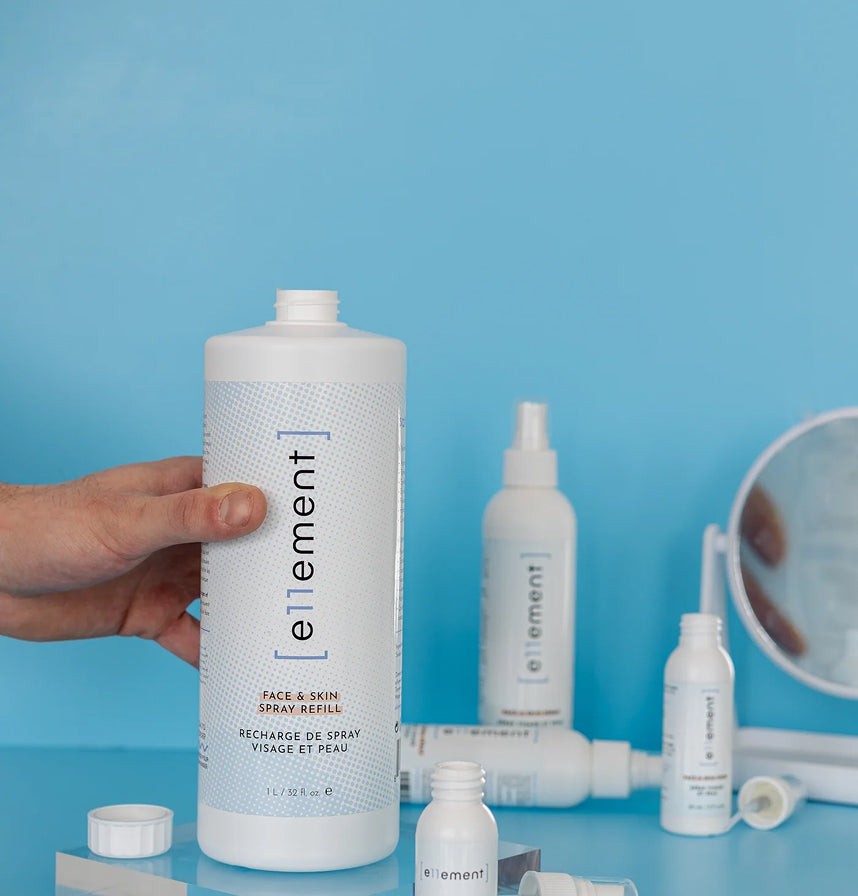
HOCl products are commonly available as facial sprays, mists, and solutions. They are often designed for sensitive, irritated, or redness-prone skin.
Unlike stronger cleansing or exfoliating acids, hypochlorous acid is not primarily used to remove dead skin cells. Its role in topical skincare is different, making it important not to confuse it with ingredients such as glycolic, salicylic, or lactic acid.
Can Hypochlorous Acid Help Reduce Skin Redness?
Hypochlorous acid may help calm the appearance of redness associated with minor skin irritation. Its properties can support a cleaner skin environment while being suitable for many sensitive skin routines.
However, redness has many possible causes. HOCl should not be viewed as a treatment for every condition that causes red or inflamed skin. Persistent redness, pain, swelling, itching, or unexplained changes should be assessed by a healthcare professional.

How HOCl May Support Redness-Prone Skin
When the skin becomes irritated, its normal barrier can become disrupted. This may contribute to dryness, sensitivity, and visible redness.
A properly formulated hypochlorous acid product may support irritated skin without requiring aggressive cleansing or exfoliation. Because many HOCl sprays have simple formulations, they can also be easier to incorporate into routines where limiting unnecessary ingredients is important.
Individual results can vary depending on the cause and severity of the redness.
Common Causes of Skin Redness
Before adding a new product, it is useful to consider why redness is occurring.
Temporary redness may result from sun exposure, hot weather, exercise, shaving, friction, or the use of a new cosmetic product. Dryness and over-exfoliation can also leave the skin looking red and feeling uncomfortable.
Certain skin conditions can cause longer-lasting redness and require professional diagnosis and treatment.
Redness Caused by Skincare Products
Using too many active ingredients at once can sometimes irritate the skin.
Retinoids, exfoliating acids, scrubs, and some acne products may contribute to redness when used too frequently or in combinations that the skin cannot tolerate.
If irritation develops after introducing a new product, simplifying the routine and identifying the possible trigger may be more useful than continuing to add new ingredients.
How to Use Hypochlorous Acid for Redness-Prone Skin
Always follow the directions provided with the specific HOCl product you are using.
For spray formulations, application generally involves using the product on clean skin and allowing it to dry naturally. Once dry, other skincare products can usually be applied according to the product instructions.
Avoid touching the spray nozzle directly to your face to help keep the container clean.
Where Does HOCl Fit Into a Skincare Routine?
A simple routine may begin with a gentle cleanser, followed by hypochlorous acid spray and a suitable moisturiser. Sunscreen should be applied during the daytime as the final skincare step.
Keeping the routine simple can be particularly helpful when the skin is already irritated. Introducing several new products simultaneously makes it harder to determine which product is helping or causing further sensitivity.
Can You Use Hypochlorous Acid on Sensitive Skin?
Many topical HOCl products are formulated with sensitive skin in mind. However, a product that works well for one person may not necessarily work the same way for another.
Check the complete ingredient list before use, particularly if you have known sensitivities or allergies. A patch test can also help you observe how your skin responds before applying a product more widely.
Stop using the product if you experience persistent burning, itching, swelling, or worsening irritation.
What Should You Avoid When Skin Is Red?
When redness is caused by irritation, aggressive skincare may make the problem worse.
Avoid excessive scrubbing, frequent exfoliation, very hot water, and unnecessarily complicated skincare routines. It may also be helpful to temporarily reduce the use of strong active ingredients until the skin feels more comfortable.
A gentle moisturiser can support the skin barrier, while daily sunscreen helps protect the skin from ultraviolet exposure.
Do Not Ignore Persistent Redness
Not every case of facial redness is simply cosmetic irritation.
Redness that continues for an extended period, frequently returns, spreads, or appears alongside pain, swelling, scaling, discharge, or significant itching may require medical evaluation.
A dermatologist can assess the underlying cause and recommend appropriate treatment rather than relying on skincare products alone.
Tips for Choosing a Hypochlorous Acid Product
Look for a product specifically formulated for topical skin use rather than using household disinfectants or other HOCl solutions that are not intended for skincare.
Check the label for usage instructions, storage requirements, and expiration information. HOCl formulations can lose effectiveness when they are not stored correctly, so following the manufacturer's directions is important.
It is also useful to choose products with clear ingredient information and straightforward application instructions.
Final Thoughts
So, can hypochlorous acid help reduce skin redness? It may help support skin experiencing mild redness or irritation, particularly when used as part of a gentle and uncomplicated skincare routine. Its suitability, however, depends on the cause of the redness and the specific formulation being used.
For everyday care, focus on gentle cleansing, moisturising, sun protection, and avoiding known irritants. Hypochlorous acid can be considered as an additional step rather than a replacement for appropriate medical care. If redness is persistent, severe, painful, or accompanied by other symptoms, seek advice from a qualified healthcare professional.