Spring often brings changes in temperature, humidity, sun exposure, and pollen levels. These changes can affect how the skin looks and feels. Skin that felt dry during winter may become oilier, while some people may notice sweat, congestion, sensitivity, or occasional breakouts as the weather becomes warmer.
A seasonal skincare reset does not need to involve replacing every product in your bathroom. It is usually more helpful to review your current routine, simplify where possible, and choose products that suit your skin’s changing needs.
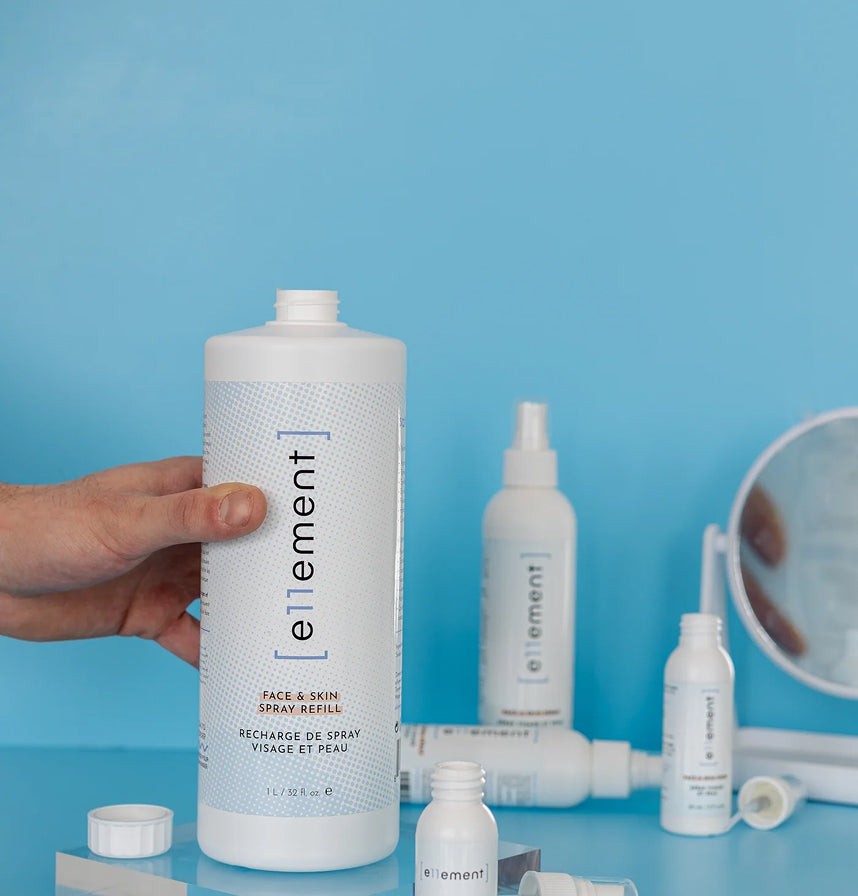
A spring skin reset with hypochlorous acid skincare can be a gentle way to refresh your routine. Hypochlorous acid, also known as HOCl, is commonly found in water-based facial sprays and topical skin mists. It may suit people who prefer a lightweight product that can be used after cleansing, exercise, or outdoor exposure.
Why Does Skin Change During Spring?
The skin responds to its surroundings. During spring, rising temperatures and humidity can increase sweating and oil production. More time outdoors may also mean more exposure to sunlight, dust, pollen, and pollution.
For some people, this can make the skin feel sticky or congested. Others may experience dryness or sensitivity due to changing temperatures, air conditioning, or over-cleansing.
Common spring skin concerns may include:
-
Increased oiliness
-
Sweat-related breakouts
-
Dry patches from changing weather
-
Redness or sensitivity
-
Build-up from sunscreen and makeup
-
Discomfort caused by pollen or dust
-
Uneven texture after winter dryness
The aim of a seasonal routine should be to keep the skin clean, moisturised, and protected without using too many strong products.
What Is Hypochlorous Acid Skincare?
Hypochlorous acid is a compound that the body can naturally produce through certain immune cells. In skincare products, it is prepared as a diluted water-based solution and is commonly available in facial sprays, mists, and topical cleansers.
HOCl products are often lightweight and easy to apply. They can be used as part of a simple routine, particularly by people who want to avoid harsh, alcohol-based toners.

Hypochlorous Acid Is Not a Complete Skincare Routine
A hypochlorous acid spray is not a replacement for cleanser, moisturiser, sunscreen, or targeted acne treatment. It can be a supportive step, but it should not be expected to solve every skin concern.
For example, a facial spray may refresh the skin after a workout, but it does not remove a full day’s sunscreen, makeup, and oil as effectively as a gentle cleanse.
How HOCl Can Fit Into a Spring Routine
Spring days often include more outdoor activity, commuting, exercise, and sunscreen use. A hypochlorous acid face spray can fit into this routine as a light, optional step.
Use a product designed specifically for facial or topical skin use. Do not apply household disinfectants or surface-cleaning products to the skin, even if they contain hypochlorous acid.
Use It After Cleansing
The most common way to use a hypochlorous acid spray is after cleansing and before moisturiser. After washing your face, mist the product lightly across the skin while keeping your eyes and mouth closed. Allow it to dry naturally before applying the next step.
A simple morning routine may include:
-
Gentle cleanser
-
Hypochlorous acid face spray
-
Lightweight moisturiser
-
Broad-spectrum sunscreen
In the evening, use the spray after cleansing and before moisturiser or any acne treatment already recommended for your skin.
Simplify Cleansing as the Weather Warms
Sweat and oil can make it tempting to wash the face repeatedly. However, over-cleansing can leave the skin dry and irritated. This may cause the skin barrier to feel compromised, especially if you are also using active ingredients.
Cleanse your face once or twice a day with a mild cleanser suited to your skin type. After exercise or heavy sweating, rinse or cleanse gently rather than scrubbing the skin.
Avoid Harsh Exfoliation
Spring is not the time to add multiple exfoliating products at once. Scrubs, strong acids, cleansing brushes, and harsh toners can cause redness or dryness, especially when skin is also exposed to sunlight.
If you use chemical exfoliation, introduce it gradually and follow the product directions. Stop or reduce use if you experience stinging, peeling, or persistent irritation.
Keep Skin Hydrated Without Feeling Heavy
Warmer weather does not mean you should stop moisturising. Even oily or acne-prone skin needs moisture support. Instead of thick winter creams, consider a lightweight gel cream, lotion, or non-comedogenic moisturiser.
Look for ingredients such as glycerin, hyaluronic acid, ceramides, and squalane. These can support the skin barrier without necessarily leaving a heavy finish.
Moisturiser Supports Acne-Prone Skin Too
Some acne treatments can dry the skin. Using a suitable moisturiser may help reduce tightness and peeling while improving comfort. Choose products labelled non-comedogenic or “won’t clog pores” if you are prone to breakouts.
Make Sunscreen a Daily Essential
Sun protection is one of the most important parts of a spring skincare routine. Increasing daylight and outdoor time can raise your exposure to ultraviolet radiation, even on cloudy days.
Use a broad-spectrum, water-resistant sunscreen with SPF 30 or higher. Apply it as the final step of your morning skincare routine and reapply according to the product instructions.
Choose a Sunscreen for Your Skin Type
If you have oily or acne-prone skin, look for sunscreen labelled oil-free, lightweight, or non-comedogenic. If your skin is dry, a moisturising sunscreen may be more comfortable.
Remember that hypochlorous acid does not provide sun protection. A facial mist should never replace sunscreen, protective clothing, shade, or sunglasses.
Review Your Products One at a Time
A spring reset is a good opportunity to check expiry dates, discard damaged products, and review how your skin reacts to your current routine. Avoid changing everything at once.
Introduce only one new product at a time and use it consistently for several days. This makes it easier to identify whether a product is causing irritation or breakouts.
Patch Test New Skincare
Before adding a new hypochlorous acid spray or any skincare product, apply a small amount to the inner arm or jawline. Wait 24 hours and observe for redness, itching, burning, or rash.
Stop using the product if irritation occurs. If your skin is persistently inflamed, painful, or reactive, consult a dermatologist.
When to Seek Dermatology Advice
Seasonal changes are normal, but ongoing skin concerns may need professional care. Seek advice if you have painful acne, cysts, persistent redness, eczema flares, swelling, or breakouts that do not improve with a simple routine.
A dermatologist can help identify triggers and recommend treatments that are appropriate for your skin type and condition.
Conclusion
A spring skin reset should focus on gentle cleansing, lightweight hydration, daily sunscreen, and consistent habits. Hypochlorous acid skincare can be a practical optional step for refreshing the skin after cleansing, sweating, or time outdoors.
Keep your routine simple, avoid overusing strong products, and give your skin time to adjust. With the right balance of cleansing, moisturising, and sun protection, your skin can feel more comfortable throughout the season.