Skin-care conversations often shift between scientific explanations and emerging trends. One ingredient that stands out today is hypochlorous acid. Many users praise it for calming irritation, reducing breakouts, and supporting skin recovery, while others wonder whether the popularity is driven more by marketing than proven results.
What Is Hypochlorous Acid?
Hypochlorous acid (HOCl) is a compound naturally produced by the body as part of the immune response. White blood cells create HOCl to help defend the skin from external stressors. Because it already exists within the body, many find it gentle and compatible with most skin types.
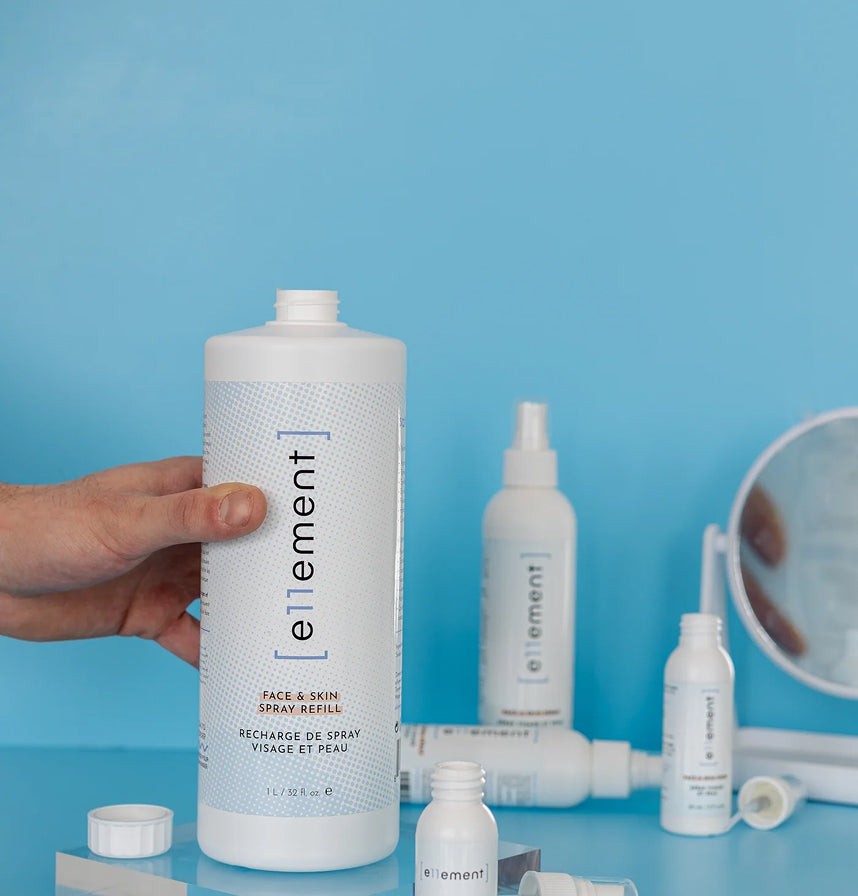
In topical skin-care formulations, HOCl is used in low concentrations to support skin comfort and maintain a healthy surface environment. It is typically found in mists, sprays, and soothing solutions.
Why Hypochlorous Acid Gained Attention
Several reasons explain why HOCl has become widely discussed:
1. Its natural presence in the body
People often feel comfortable using an ingredient that the immune system recognizes.
2. Its calming effect on sensitive skin
Many users report reduced redness and discomfort, making it appealing for irritated or reactive skin.
3. Its popularity on social platforms
Dermatologists and content creators frequently highlight HOCl for its gentle nature, boosting its visibility.
4. Its versatility
It appears in routines for acne concerns, post-procedure care, shaving irritation, and minor surface disruptions.
With rising interest, the question becomes: what does science say?

How Hypochlorous Acid Works on the Skin
Hypochlorous acid supports the skin in two primary ways:
1. Helps maintain a balanced skin environment
HOCl helps reduce the presence of certain stress-causing factors on the skin. By supporting the natural barrier, it contributes to a calmer and clearer complexion.
2. Supports the skin’s recovery process
Because the body produces HOCl during its natural repair activities, applying it topically may help reinforce that response. This is why it is often recommended for post-procedure routines or sensitized skin.
These effects have made many people curious whether Hypochlorous Acid for Skin: Miracle or Marketing? is justified.
Where Hypochlorous Acid Shows Real Benefits
Science-backed uses of hypochlorous acid show consistent results in several areas.
Soothing irritation
HOCl may help reduce temporary redness or discomfort from shaving, environmental factors, or harsh products.
Supporting acne-prone skin
HOCl is not a replacement for targeted acne treatments but can complement them. Its gentle nature makes it suitable for irritated skin, especially when breakouts are inflamed.
Post-procedure support
Dermatologists often recommend HOCl sprays after treatments such as chemical peels, microneedling, or laser sessions. It helps maintain skin comfort during the healing phase.
Daily skin maintenance
Many use HOCl as a refreshing mist to keep the skin calm throughout the day, especially when exposed to sweat, pollution, or masks.
These benefits come from its calming properties, but they do not automatically make HOCl a replacement for other skincare actives.
Limitations of Hypochlorous Acid
Understanding the boundaries of HOCl helps create realistic expectations.
1. It is not a complete routine
HOCl cannot replace moisturizers, sunscreens, vitamin C serums, or exfoliants. Instead, it fits as a supporting step.
2. Results differ from person to person
Some users notice quick improvements in redness or irritation, while others see minimal changes.
3. Concentration and formulation matter
The stability of hypochlorous acid can vary. If not formulated correctly, its effectiveness decreases. High-quality products often use stabilized HOCl to ensure its activity remains consistent.
4. Not a strong anti-aging ingredient
While it soothes the skin, HOCl does not provide firming, wrinkle-reducing, or collagen-boosting effects. Its role is supportive, not transformative.
These points help clarify that HOCl is useful but not a cure-all.
Hypochlorous Acid for Skin: Miracle or Marketing? The Real Answer
The truth lies between the two extremes.
Where it feels like a “miracle”:
-
Provides quick soothing for redness
-
Helps maintain comfort in sensitive or irritated skin
-
Complements acne routines
- Supports recovery after skin procedures
Where it leans toward “marketing”:
-
Does not replace full treatment routines
-
Does not deliver dramatic anti-aging results
- Overstated claims can create unrealistic expectations
HOCl is effective for what it is meant to do: calm, support, and maintain the skin’s environment. It is not meant to transform the skin in ways associated with retinoids, peptides, or exfoliating acids.
Conclusion
It is a genuinely helpful ingredient with clear uses. When used correctly, it soothes irritation, supports sensitive or acne-prone skin, and enhances post-procedure comfort. Its gentle nature and compatibility with most routines make it a valuable addition to daily skincare.
However, hypochlorous acid is not a complete solution on its own. It works best as a supporting step, improving comfort and balance while other products target specific concerns.
For those seeking calmer, more stable skin, HOCl can be a meaningful addition without relying on exaggerated impressions or marketing-driven expectations.