Fungal skin concerns are common and can affect areas such as the feet, groin, scalp, nails, and skin folds. They often develop in warm, moist environments where fungi can multiply more easily. Depending on the type of infection, symptoms may include itching, redness, scaling, irritation, cracking, or changes in skin texture.
As interest grows in gentle skin-cleansing ingredients, many people ask, 'Can hypochlorous acid help with fungal skin concerns?' Hypochlorous acid, often shortened to 'HOCl', is used in some skin sprays and cleansing products because of its antimicrobial properties and generally mild nature. However, understanding what it can and cannot do is important, especially when fungal infections require targeted treatment.
What Is Hypochlorous Acid?
Hypochlorous acid is a weak acid that is naturally produced by certain cells in the body's immune system. It plays a role in the body's response to microorganisms and is also manufactured for use in wound care, skin cleansing, and hygiene products.
In skincare formulations, hypochlorous acid is typically used in low concentrations. It may help reduce microorganisms on the skin surface while being less irritating than some stronger antiseptic ingredients.
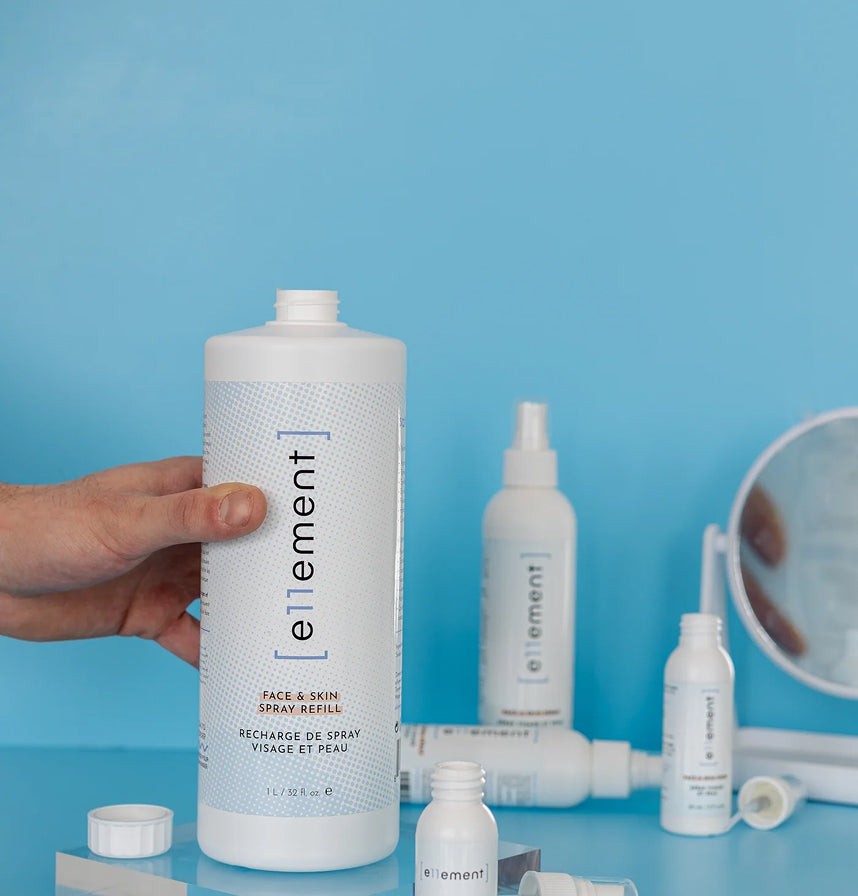
Because it is often available as a spray, it can also be convenient for areas where repeated cleansing is needed without excessive rubbing.
How Hypochlorous Acid Works on the Skin
Hypochlorous acid works by interacting with microorganisms on the skin surface. Its antimicrobial activity can affect certain bacteria, viruses, and fungi under appropriate conditions.
This does not automatically mean that a hypochlorous acid product can cure every type of fungal skin infection. Its effectiveness can depend on concentration, formulation, contact time, the specific fungal organism, and the severity of the condition.
For this reason, hypochlorous acid is generally better viewed as a supportive hygiene ingredient rather than a replacement for prescribed or established antifungal medicines.

Can Hypochlorous Acid Help With Fungal Skin Concerns?
When asking Can Hypochlorous Acid Help With Fungal Skin Concerns?, it is useful to separate general skin hygiene from medical treatment.
Hypochlorous acid may help maintain a cleaner skin surface and reduce microbial buildup. This can be useful when the skin is irritated, sweaty, or exposed to environments where microorganisms can thrive.
Some laboratory research has shown that hypochlorous acid can have activity against certain fungal organisms. However, real-world fungal infections may involve deeper layers of skin or require prolonged treatment.
Conditions such as athlete's foot, ringworm, jock itch, or fungal nail infections are commonly treated with antifungal medicines designed specifically to target fungal growth.
Potential Role of Hypochlorous Acid in Skin Care
Hypochlorous acid may be used alongside a broader skin-care routine when fungal concerns are present, provided the product is suitable for the affected area.
Its potential uses may include:
-
Helping cleanse the skin surface
-
Reducing exposure to some microorganisms
-
Supporting hygiene in sweaty areas
-
Providing a low-friction cleansing option
-
Helping keep irritated skin clean
These benefits may be particularly relevant for people who want to avoid repeatedly washing sensitive skin with strong soaps.
Why Gentle Cleansing Matters
Skin affected by a fungal condition may already be irritated. Aggressive scrubbing or frequent use of harsh cleansers can sometimes worsen dryness, redness, and discomfort.
A gentle cleansing routine can help protect the skin barrier while medical treatment addresses the fungal infection itself.
Hypochlorous acid sprays may be useful in this context because many formulations are designed to be applied without rinsing or heavy rubbing. Product instructions should still be followed carefully.
Hypochlorous Acid Is Not the Same as an Antifungal Medicine
One of the most important distinctions is that antimicrobial does not always mean antifungal treatment.
Dedicated antifungal medicines contain active ingredients specifically intended to stop fungal growth or kill fungal organisms. Common topical antifungal ingredients may include clotrimazole, terbinafine, miconazole, or ketoconazole, depending on the condition and recommended treatment.
Hypochlorous acid may support cleanliness, but it should not automatically replace these treatments.
If symptoms are persistent, spreading, painful, or repeatedly returning, relying only on a cleansing spray may delay appropriate care.
When Might Hypochlorous Acid Be Considered?
A hypochlorous acid skin product may be considered as part of a supportive routine in situations where maintaining skin cleanliness is important.
For example, someone prone to sweaty feet may use appropriate hygiene measures alongside antifungal treatment. Similarly, people dealing with irritation in skin folds may benefit from keeping the area clean and dry.
However, the underlying cause should first be considered. Not every red, itchy, or flaky skin condition is fungal. Eczema, psoriasis, contact dermatitis, and bacterial infections can sometimes appear similar.
Avoid Self-Diagnosing Persistent Skin Problems
If a skin concern lasts for several days, worsens despite basic care, or keeps returning, professional assessment may help identify the actual cause.
This is especially important for nail infections, scalp problems, widespread rashes, or infections affecting people with conditions that may influence immune function or healing.
How to Use Hypochlorous Acid Safely
If using a hypochlorous acid product, follow the manufacturer's instructions because concentration and intended use can vary between products.
General considerations include applying the product only to areas recommended on the label, avoiding unnecessary mixing with other active products, and discontinuing use if significant irritation develops.
Do not assume that household disinfectants containing chlorine compounds are the same as skin-safe hypochlorous acid products. Products intended for skin use are specifically formulated for that purpose.
Supportive Habits for Fungal Skin Concerns
Skin hygiene alone may not eliminate a fungal infection, but daily habits can reduce conditions that encourage fungal growth.
Keep affected areas as dry as possible, change damp clothing or socks regularly, avoid sharing towels, and allow shoes to dry between uses. Wash clothing and linens appropriately when dealing with contagious fungal conditions such as ringworm.
Following the recommended duration of antifungal treatment is also important. Stopping treatment too early may allow symptoms to return.
Conclusion
So, Can Hypochlorous Acid Help With Fungal Skin Concerns It may have a useful supportive role because of its antimicrobial properties and ability to help maintain skin hygiene. It can be particularly practical when gentle cleansing is preferred for irritated or sensitive skin.
However, hypochlorous acid should not automatically be treated as a replacement for proven antifungal medication. Fungal infections often require targeted treatment, especially when symptoms are persistent, widespread, or affecting the nails or scalp.
Using hypochlorous acid as part of a sensible hygiene routine, while following appropriate antifungal treatment when necessary, can provide a more complete approach to managing fungal skin concerns.