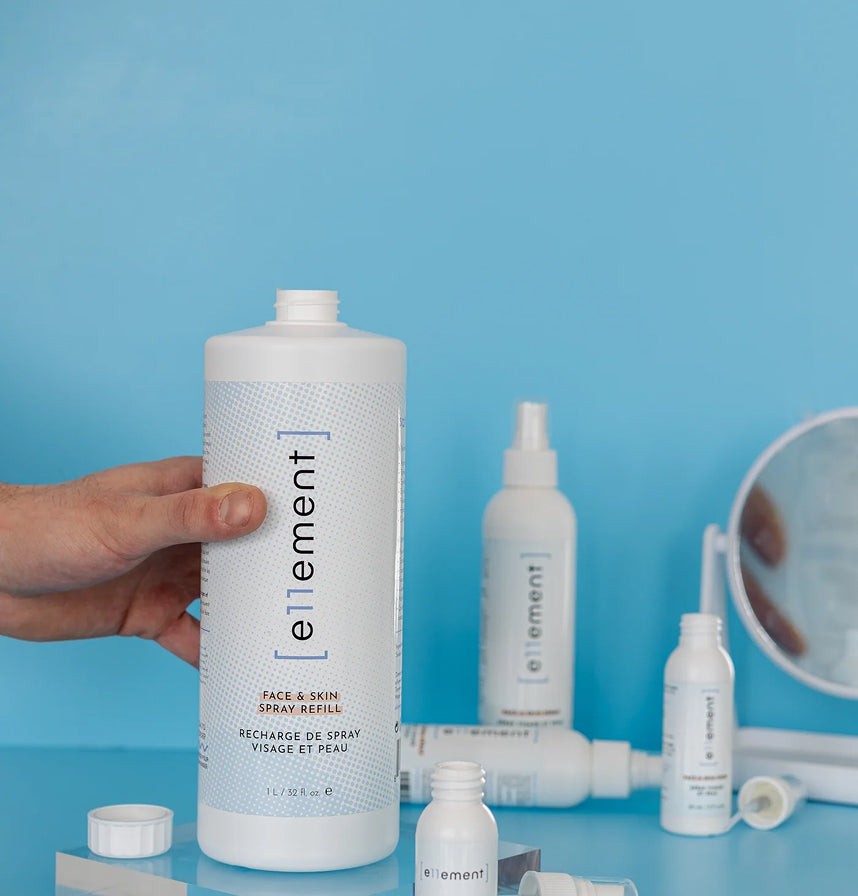
Skin care trends often come and go, but some ingredients gain attention because they offer practical, science-backed benefits. One such ingredient is hypochlorous acid. Over the past few years, it has moved from clinical settings into everyday skincare routines. This shift explains Why Hypochlorous Acid Spray Is Trending for Acne and Eczema among dermatologists, skincare professionals, and individuals looking for gentle yet effective solutions.explores what hypochlorous acid is, how it works, and why it is increasingly recommended for acne-prone and eczema-affected skin.
What Is Hypochlorous Acid?
Hypochlorous acid is a naturally occurring substance produced by the human immune system. White blood cells generate it to help fight bacteria, viruses, and inflammation. In skincare products, hypochlorous acid is recreated in a stable, topical form that mimics this natural defense process.
A Skin-Compatible Ingredient
Unlike harsh antiseptics or alcohol-based treatments, hypochlorous acid is non-irritating and designed to work in harmony with the skin. This compatibility is one of the main reasons it is being used more frequently for chronic skin concerns.

How Hypochlorous Acid Works on the Skin
Hypochlorous acid functions by reducing harmful bacteria while supporting the skin’s natural healing response. It does not strip the skin or disrupt its moisture balance, which is essential for sensitive conditions like acne and eczema.
Supports the Skin Barrier
A compromised skin barrier often worsens both acne and eczema. Hypochlorous acid helps calm inflammation and supports the skin’s ability to repair itself, reducing flare-ups over time.
Targets Bacteria Without Over-Drying
Many acne treatments rely on strong active ingredients that can dry or irritate the skin. Hypochlorous acid offers antibacterial support without the common side effects associated with traditional acne products.
Why Hypochlorous Acid Is Effective for Acne
Acne is not only about clogged pores. Bacteria, inflammation, and skin sensitivity all play a role. Hypochlorous acid addresses these factors in a balanced way.
Reduces Acne-Causing Bacteria
Hypochlorous acid helps neutralize bacteria linked to acne breakouts. By lowering bacterial levels on the skin, it reduces the likelihood of inflamed pimples and recurring breakouts.
Calms Redness and Swelling
Inflammation often makes acne appear worse than it is. Hypochlorous acid helps soothe redness, making blemishes less noticeable and more comfortable as they heal.
Suitable for Daily Use
Because it is gentle, hypochlorous acid spray can be used daily without the risk of over-exfoliation or irritation. This makes it suitable for long-term acne management.
Why Hypochlorous Acid Is Beneficial for Eczema
Eczema-prone skin requires extra care. Products that are too strong often worsen dryness and itching. Hypochlorous acid stands out because of its mild yet effective properties.
Helps Manage Flare-Ups
Eczema flare-ups are often triggered by bacteria and inflammation. Hypochlorous acid helps reduce these triggers, supporting calmer skin during active flare periods.
Soothes Itching and Discomfort
Itching is one of the most challenging symptoms of eczema. Hypochlorous acid provides a cooling, soothing effect that can help reduce the urge to scratch.
Safe for Sensitive Skin Types
Hypochlorous acid sprays are typically free from fragrance and harsh preservatives, making them suitable for sensitive and eczema-prone skin.
How to Use Hypochlorous Acid Spray in a Skincare Routine
Using hypochlorous acid correctly helps maximize its benefits for both acne and eczema.
Step-by-Step Application
-
Cleanse the skin using a gentle, non-stripping cleanser.
-
Spray hypochlorous acid directly onto the affected area.
-
Allow it to air dry without rinsing.
-
Follow with a moisturizer if needed.
When to Apply
Hypochlorous acid spray can be used morning and evening. It may also be applied throughout the day during eczema flare-ups or acne irritation.
Who Can Benefit Most from Hypochlorous Acid Spray?
This ingredient is suitable for a wide range of skin types and concerns.
Ideal for:
-
Acne-prone skin with sensitivity
-
Eczema-prone or reactive skin
-
Post-procedure skin care
-
Individuals seeking a minimal skincare routine
Because of its gentle profile, hypochlorous acid is often recommended for those who struggle with traditional treatments.
Why Hypochlorous Acid Spray Is Gaining Popularity
The growing interest in skin barrier health and minimal routines has contributed to the rise of hypochlorous acid sprays. Consumers are seeking products that are effective without being aggressive. This shift explains Why Hypochlorous Acid Spray Is Trending for Acne and Eczema across both professional and personal skincare spaces.
Dermatologists appreciate its safety profile, while users value its simplicity and visible calming effects.
Final Thoughts
Hypochlorous acid spray represents a practical approach to managing acne and eczema. Its ability to reduce bacteria, calm inflammation, and support skin healing makes it a valuable addition to modern skincare routines. Rather than replacing all treatments, it works best as a supportive step that enhances overall skin health.
As awareness grows, hypochlorous acid is likely to remain a trusted option for those seeking gentle, effective skin care solutions without unnecessary irritation.