Fungal skin concerns are common and can affect areas such as the feet, groin, scalp, nails, and skin folds. They may cause itching, redness, scaling, irritation, or discomfort. Because these symptoms can interfere with everyday life, many people look for products that can help keep affected skin clean and comfortable.
One product that has received attention in skin care is hypochlorous acid spray. It is commonly used as a gentle cleansing solution for irritated or sensitive skin. This raises an important question: Is Hypochlorous Acid Spray Useful for Fungal Skin Concerns?
While hypochlorous acid may support skin hygiene and help reduce certain microorganisms on the skin's surface, it should not automatically be considered a replacement for proven antifungal treatments. Understanding its role can help people use it more appropriately.
What Is Hypochlorous Acid?
Hypochlorous acid, often abbreviated as HOCl, is a weak acid that occurs naturally in the human body's immune response. Certain white blood cells produce it as part of the body's defence against microorganisms.
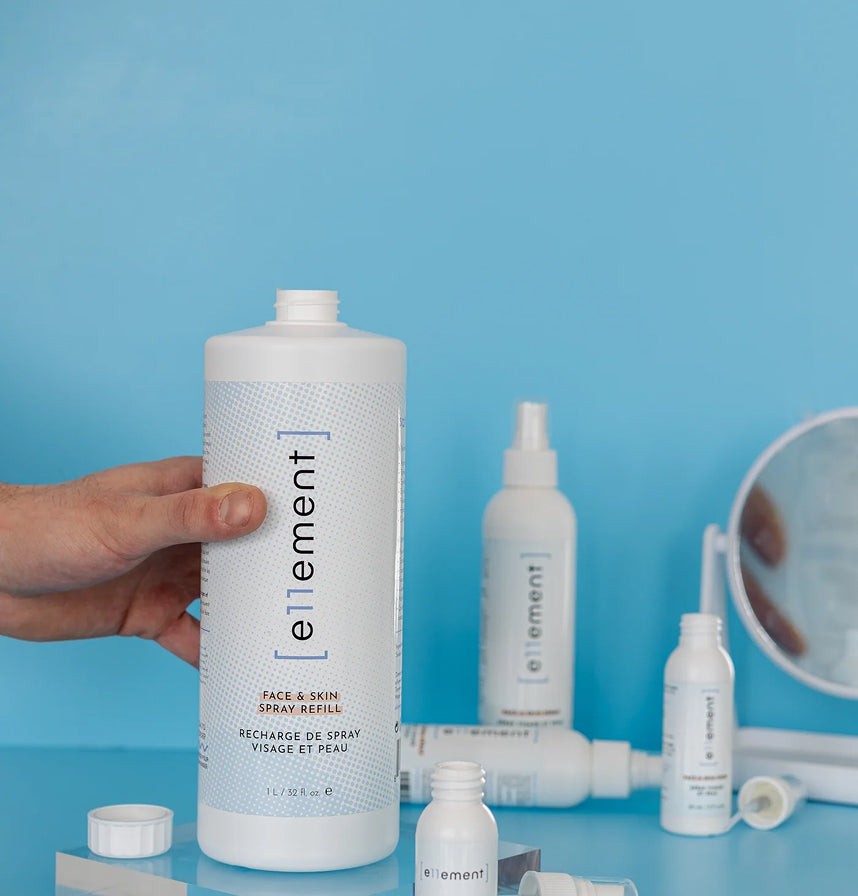
Commercial hypochlorous acid sprays are formulated at controlled concentrations for use on the skin. They are commonly marketed for cleansing minor skin irritation, supporting hygiene, and reducing microbial contamination.
Unlike stronger disinfectants, properly formulated hypochlorous acid products are generally designed to be gentle enough for topical use. However, the concentration, formulation, and intended purpose can differ between products.
How Does Hypochlorous Acid Work on the Skin?
Hypochlorous acid has antimicrobial properties. It can interact with microorganisms and disrupt important cellular processes.
This activity is one reason HOCl solutions are used in wound care, skin cleansing, and certain personal-care applications. Their ability to reduce microbial load may help maintain cleaner skin, particularly in areas that are prone to irritation or excessive moisture.
However, antimicrobial activity does not necessarily mean that a product is an effective treatment for every fungal infection.
Can Hypochlorous Acid Help With Fungal Skin Concerns?
Hypochlorous acid may provide supportive benefits when dealing with certain fungal skin concerns, particularly by helping keep the affected area clean.
Fungi tend to grow more easily in warm and moist environments. Maintaining good hygiene, reducing excess moisture, and avoiding unnecessary irritation are therefore important parts of managing many superficial fungal problems.
Using a hypochlorous acid spray may help cleanse the skin without the harshness associated with some conventional antiseptics. This may be useful for people whose skin is already irritated.
However, hypochlorous acid sprays are not generally considered the primary treatment for established fungal infections such as athlete's foot, ringworm, jock itch, or fungal nail infections.

Why Antifungal Treatment May Still Be Necessary
Fungal infections are caused by specific organisms that often require targeted antifungal medicines.
Common topical antifungal ingredients include substances such as clotrimazole, terbinafine, ketoconazole, and miconazole. Depending on the condition, these medicines work by interfering with the growth or survival of fungi.
Hypochlorous acid works differently. Its main role is usually associated with cleansing and microbial control rather than targeted antifungal therapy.
For this reason, a hypochlorous acid spray may sometimes be used alongside an appropriate treatment routine, but it should not be relied upon as the only treatment unless advised by a healthcare professional.
Possible Benefits of Hypochlorous Acid Spray
One potential advantage of hypochlorous acid is its gentle nature when appropriately formulated.
People with irritated skin may find strong antiseptics uncomfortable because they can cause dryness or stinging. Hypochlorous acid sprays are often formulated with fewer potentially irritating ingredients.
They may also be convenient for cleansing areas that are difficult to touch or rub, such as skin folds or sensitive areas surrounding an irritation.
Another benefit is that spray application usually requires minimal physical contact. This may help reduce unnecessary rubbing of already inflamed skin.
Limitations to Keep in Mind
Although hypochlorous acid has antimicrobial properties, fungal skin conditions can vary considerably.
Redness, itching, scaling, and rashes are not always caused by fungi. Similar symptoms can occur with eczema, psoriasis, allergic reactions, bacterial infections, or other skin conditions.
Treating the wrong condition may delay improvement.
Additionally, some fungal infections extend deeper into the skin or affect the nails and scalp. These conditions may require prescription medication or oral antifungal treatment.
For persistent symptoms, relying only on a cleansing spray may therefore be insufficient.
How to Use Hypochlorous Acid Spray Safely
Always follow the directions provided on the product label because formulations can differ.
In general, the affected skin should be kept clean and dry. Hypochlorous acid spray may be applied as directed and allowed to dry naturally.
Avoid combining multiple antiseptic or medicated products without professional guidance, particularly if the skin is sensitive, broken, or severely inflamed.
It is also important to avoid sharing towels, clothing, footwear, or personal-care items when a contagious fungal infection is suspected.
When Should You See a Healthcare Professional?
Medical advice may be appropriate when a rash continues to spread, becomes painful, produces discharge, or does not improve with appropriate over-the-counter treatment.
People with diabetes, circulation problems, weakened immune systems, or recurring fungal infections should be particularly careful about self-treatment.
A healthcare professional can examine the affected area and determine whether the problem is fungal or caused by another skin condition.
Practical Skin Care Measures for Fungal Concerns
Keeping affected areas dry can help reduce the environment in which fungi commonly grow. Changing sweaty clothing promptly and using clean, breathable fabrics may also help.
Footwear should be allowed to dry properly between uses when dealing with athlete's foot. Socks should be changed regularly, particularly after exercise.
Good hygiene is important, but aggressive scrubbing should be avoided because damaged skin can become more irritated and vulnerable to additional problems.
Conclusion
So, Is Hypochlorous Acid Spray Useful for Fungal Skin Concerns? It may be useful as a supportive skin-cleansing product because of its antimicrobial properties and generally gentle formulation.
However, hypochlorous acid spray should not be assumed to cure an established fungal infection. Conditions such as ringworm, athlete's foot, jock itch, and fungal nail infections often require targeted antifungal medication.
The most appropriate approach is to use hypochlorous acid for skin hygiene where suitable while addressing the underlying fungal condition with evidence-based treatment. If symptoms persist, spread, or repeatedly return, professional medical assessment is recommended.