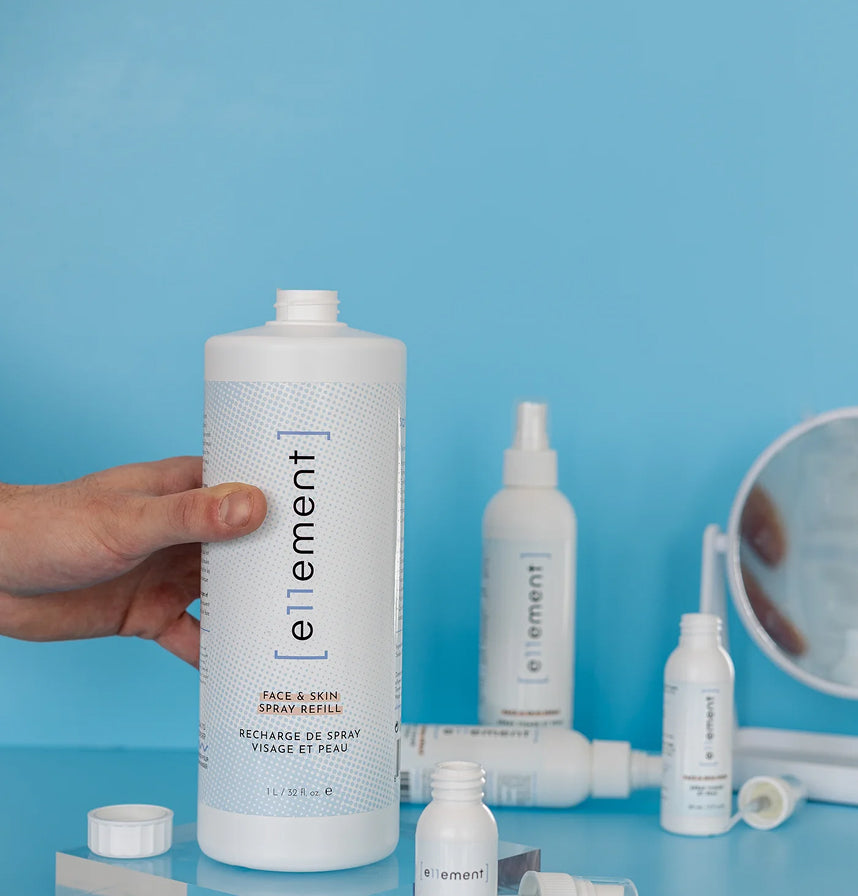
Sensitive skin requires extra attention when choosing skincare products. Ingredients that work well for one person may cause redness, dryness or irritation for another. This makes it important to understand product formulations before introducing something new into your daily routine. One ingredient gaining attention in skincare is hypochlorous acid (HOCl), which is commonly used in topical sprays designed to support skin cleansing and care.
Understanding hypochlorous acid and sensitive skin: What to know can help you determine whether this ingredient is suitable for your skincare needs. Known for its antimicrobial properties, hypochlorous acid is used in certain skincare products to help cleanse the skin and support its natural protective functions. However, product formulation, concentration and individual skin sensitivity all matter when deciding whether to use it.
What Is Hypochlorous Acid?
Hypochlorous acid is a weak acid naturally produced by the body's immune system. Certain white blood cells generate it as part of the body's defence against microorganisms.
In skincare, laboratory-produced hypochlorous acid is used in properly formulated topical products, particularly sprays and solutions. These products are designed for external application and may help cleanse the skin while supporting everyday hygiene.
Unlike some stronger skincare ingredients, appropriately formulated hypochlorous acid products are often designed to be gentle. However, this does not mean every product is suitable for every skin type.
Is Hypochlorous Acid Suitable for Sensitive Skin?
Hypochlorous acid may be suitable for many people with sensitive skin, particularly when used in a properly formulated, skin-friendly product.
Its gentle cleansing properties make it an option for individuals who want to simplify their skincare routine. It may also be useful for people who experience occasional irritation associated with environmental exposure, sweat or everyday impurities.
However, sensitivity varies from person to person. Some individuals may experience discomfort depending on the product's formulation, preservatives, or other ingredients.
Before introducing a hypochlorous acid spray, review the ingredient list and follow the manufacturer's instructions. A patch test can also help identify potential reactions before applying it more widely.

Potential Benefits of Hypochlorous Acid for Sensitive Skin
Hypochlorous acid offers several properties that make it useful in certain skincare formulations.
1. Helps Cleanse the Skin
Daily exposure to sweat, dirt and environmental impurities can affect skin cleanliness. Hypochlorous acid sprays can help cleanse the skin without requiring vigorous rubbing or complicated application techniques.
This makes them convenient for people who prefer lightweight skincare products.
2. Supports Skin Hygiene
Hypochlorous acid has antimicrobial activity, meaning it can act against certain microorganisms. Properly formulated topical products use this property to support skin cleansing and hygiene.
However, these products should not be considered replacements for prescribed treatments or medical care for skin infections.
3. Suitable for Simple Skincare Routines
People with sensitive skin often prefer routines with fewer products and uncomplicated ingredients. A hypochlorous acid spray can be incorporated into a basic routine when the formulation is appropriate.
It can be particularly convenient after activities that cause sweating or when the skin needs gentle cleansing.
4. May Help Soothe the Appearance of Irritated Skin
Some topical hypochlorous acid formulations are used to support the care of skin that appears temporarily irritated. Their gentle cleansing properties may help maintain skin comfort.
However, results vary, and hypochlorous acid should not be presented as a guaranteed treatment for eczema, rosacea, acne or other inflammatory skin conditions.
How to Use Hypochlorous Acid Spray on Sensitive Skin
Correct application is important for getting the intended benefits while reducing the possibility of irritation.
Step 1: Start with Clean Skin
Wash your face with a gentle cleanser suitable for sensitive skin. Pat your face dry using a clean, soft towel.
Some products may also be used on skin that is not freshly washed. Always follow the specific product directions.
Step 2: Apply a Light Mist
Hold the spray at the recommended distance and apply an even layer over the intended area. Avoid spraying directly into your eyes or mouth.
Step 3: Allow It to Dry
Let the product dry naturally before applying other skincare products. Avoid rubbing the skin unnecessarily.
Step 4: Follow with Moisturiser
Once the spray has dried, apply a gentle moisturiser to help maintain skin hydration. During the daytime, finish with a broad-spectrum sunscreen with SPF 30 or higher.
How to Choose the Right Hypochlorous Acid Product
Not all hypochlorous acid sprays are formulated for the same purpose. Consider the following factors when selecting a product:
-
Intended use: Choose a product specifically labelled for topical skincare rather than household disinfection or surface cleaning.
-
Ingredient list: Look for straightforward formulations without unnecessary fragrance or ingredients that you already know irritate your skin.
-
Product stability: Hypochlorous acid can lose effectiveness when exposed to unsuitable storage conditions. Follow the manufacturer's storage recommendations.
-
Packaging: Appropriate packaging can help protect the formulation from contamination and environmental exposure.
-
Usage instructions: Check the recommended application frequency and any warnings before purchasing.
Precautions When Using Hypochlorous Acid
Although many topical formulations are designed to be gentle, certain precautions are important.
Always perform a patch test before introducing a new product into your routine. Discontinue use if you experience persistent redness, burning, itching or discomfort.
Avoid applying skincare sprays to deep wounds unless the product is specifically approved for that purpose. Do not combine different skincare products without understanding their ingredients and intended use.
People with persistent skin irritation, diagnosed skin conditions or ongoing allergic reactions should consult a dermatologist before trying new treatments.
It is also important to remember that hypochlorous acid products are not interchangeable with household bleach or disinfectants. Only use products specifically manufactured and labelled for application to human skin.
Conclusion
Understanding hypochlorous acid and sensitive skin can help you make informed skincare decisions. Properly formulated hypochlorous acid sprays may support gentle cleansing, skin hygiene and everyday skincare maintenance. Their simple application makes them a convenient option for people who prefer uncomplicated routines.
However, individual skin responses can vary. Choose a suitable topical formulation, follow the manufacturer's instructions and introduce the product gradually. Combined with gentle cleansing, regular moisturising and daily sun protection, hypochlorous acid may be a useful addition to a balanced skincare routine.