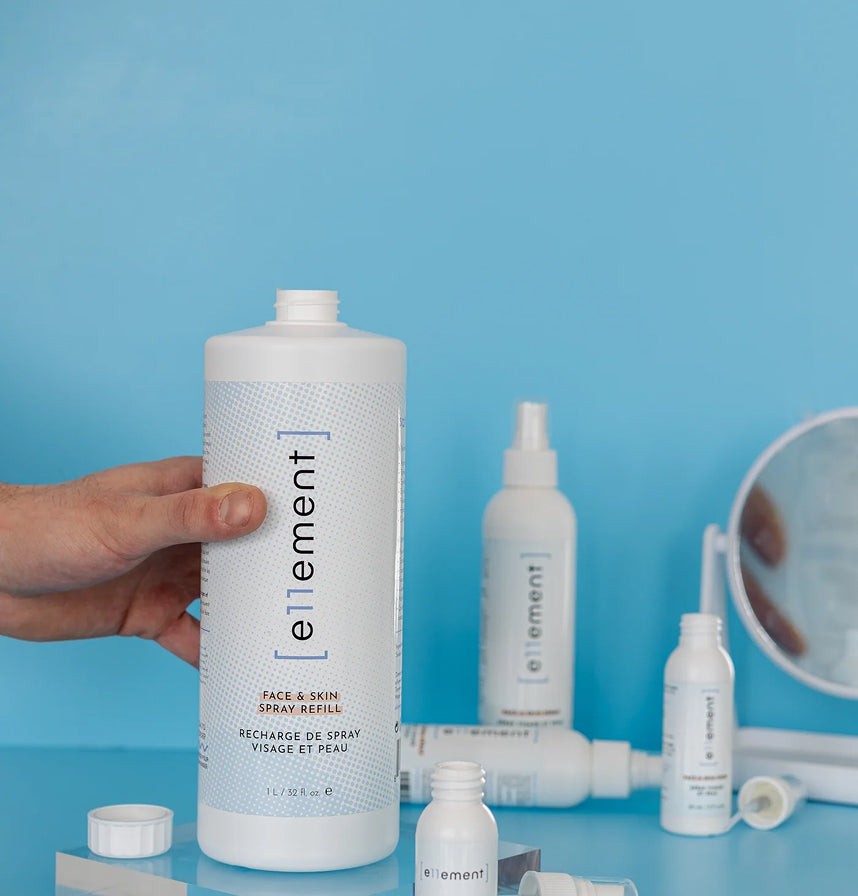
Hypochlorous acid has become a common ingredient in facial sprays, wound cleansers and products designed for sensitive or irritated skin. Although its name may sound harsh, properly formulated topical hypochlorous acid is different from household bleach and is used at carefully controlled concentrations.
So, how does hypochlorous acid work on skin and why is it effective? It mainly works by helping reduce potentially harmful microorganisms while supporting a cleaner skin environment. Research also suggests that stabilised topical formulations may have anti-inflammatory properties, which may help calm redness and irritation. Its performance, however, depends heavily on concentration, pH, product stability and intended use.
What Is Hypochlorous Acid?
Hypochlorous acid, commonly abbreviated as HOCl, is a weak acid with antimicrobial properties. It is also part of the body’s natural immune response. Certain white blood cells produce it to help defend the body against microorganisms.
For skincare and wound-care products, hypochlorous acid is manufactured in controlled conditions, often through an electrochemical process involving water and salt. The resulting solution must be properly stabilised because HOCl can lose effectiveness when exposed to unsuitable temperatures, light or changes in pH.
Topical formulations are available as sprays, liquids, gels and wound cleansers. Some products are intended for intact facial skin, while others are specifically designed for minor wounds or professional care. FDA-cleared wound products containing hypochlorous acid are intended for uses such as managing minor abrasions, lacerations and skin irritation, depending on the individual product’s instructions.

How Does Hypochlorous Acid Work on the Skin?
It Disrupts Harmful Microorganisms
Hypochlorous acid works as an oxidising agent. When it comes into contact with susceptible microorganisms, it reacts with important cellular components, including proteins and membranes. These reactions can damage the microorganism and interfere with its ability to function.
Studies have found that suitable HOCl preparations can act against a broad range of microorganisms. Its antimicrobial activity explains why it is used in certain skin cleansers, wound-care solutions and post-procedure products.
This does not mean every hypochlorous acid product can treat an infection. Cosmetic sprays, antiseptic cleansers and medical wound products may have different concentrations and approved purposes. A skin infection should be assessed by a healthcare professional rather than managed solely with an over-the-counter mist.
It May Help Calm Inflammatory Responses
Inflammation can contribute to redness, itching, discomfort and disruption of the skin barrier. Research reviews indicate that stabilised HOCl may have anti-inflammatory and immunomodulatory effects in addition to its antimicrobial activity.
These properties have led to its use in products associated with wound care, itching and some inflammatory skin conditions. However, evidence varies by condition and formulation, so hypochlorous acid should not automatically be considered a replacement for prescribed treatment.
It Supports a Cleaner Healing Environment
A wound can heal more effectively when contamination and excessive microbial growth are controlled without causing unnecessary damage to healthy tissue. Studies of stabilised hypochlorous acid have reported reductions in bacterial counts and potential benefits for acute wound healing.
Its role is generally supportive. Proper wound care may also require cleaning, dressings, moisture management, debridement or medical treatment, depending on the wound’s cause and severity.
Why Is Hypochlorous Acid Considered Skin-Friendly?
The effectiveness and tolerability of HOCl depend on how the product is formulated. A stable solution with an appropriate pH and concentration may provide antimicrobial activity while remaining compatible with skin.
Unlike stronger antiseptics that may sting, dry or irritate the skin, some stabilised HOCl formulations have demonstrated favourable biocompatibility in laboratory and clinical settings. Reviews have described topical formulations as noncytotoxic or well tolerated when appropriately prepared.
However, “gentle” does not mean irritation is impossible. People can react differently to preservatives, packaging contaminants or other ingredients in a finished product. Patch testing is sensible when introducing any new skincare product.
What Skin Concerns Is It Commonly Used For?
Hypochlorous acid products are commonly marketed or clinically used for:
-
Cleansing minor cuts, abrasions and irritated areas
-
Supporting post-procedure skincare
-
Refreshing sensitive or redness-prone skin
-
Reducing surface contamination after exercise
-
Supporting skin affected by itching or inflammation
-
Cleaning areas where friction, masks or sweating may cause irritation
Evidence is strongest for particular wound-care applications, while research into acne, dermatitis and routine cosmetic use is still developing. Product claims should therefore be assessed according to the formulation and its regulatory status rather than the ingredient name alone.

How to Use Hypochlorous Acid in a Skincare Routine
Begin with clean skin and apply the product according to its label. A facial spray is commonly misted over the skin and allowed to dry before moisturiser or sunscreen is applied. Avoid wiping it away immediately unless the directions say otherwise.
Choose a product specifically formulated for skin. Do not use household bleach, pool chemicals or homemade mixtures as skincare substitutes. These products differ considerably in concentration, purity and pH and may cause chemical irritation or injury.
Store the bottle according to its instructions, away from excessive heat and direct sunlight. Because HOCl can degrade, an expired or poorly stored product may not perform as intended.
When Should You Seek Medical Advice?
Consult a qualified healthcare professional for deep wounds, spreading redness, swelling, pus, increasing pain, fever, burns, animal bites or injuries that do not improve. People with chronic wounds, diabetes or impaired immunity should also obtain professional guidance.
Stop using the product if it causes persistent burning, swelling, rash or worsening irritation.
Conclusion
Hypochlorous acid works by disrupting susceptible microorganisms and may also help moderate inflammation. When it is correctly stabilised and formulated for topical use, it can provide a practical option for cleansing and supporting irritated or compromised skin.
Its effectiveness depends on the individual formulation, concentration, pH and intended purpose. Choosing a reputable skin-specific product and following its directions are essential. Hypochlorous acid can complement a skincare or wound-care routine, but it should not replace medical evaluation or prescribed treatment when a significant skin condition or infection is present.