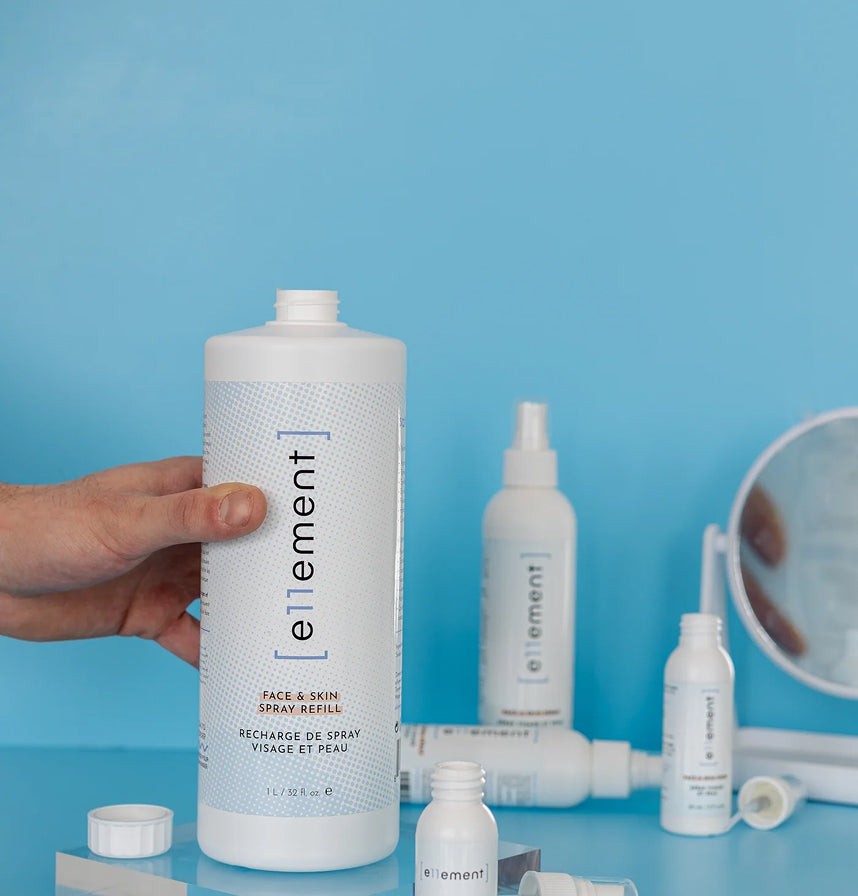
Retinol is widely used in skincare routines to support smoother texture, reduce the appearance of fine lines, and improve uneven skin tone. Hypochlorous acid, on the other hand, is commonly used to calm irritated skin, support the skin barrier, and help manage redness.
Because both ingredients serve different purposes, many people ask, Can I use hypochlorous acid with Retinol in the same skincare routine? In most cases, the answer is yes. Hypochlorous acid and retinol can generally be used together because they do not directly conflict with each other.
However, the way they are applied matters. Retinol may cause dryness, peeling, or sensitivity, especially during the first few weeks of use. Hypochlorous acid may help calm the skin, but it should not be viewed as a treatment that completely prevents retinol irritation.
What Is Hypochlorous Acid?
Hypochlorous acid is a mild substance naturally produced by the body’s immune system. It helps protect the skin from unwanted microorganisms and supports the healing process.
In skincare products, hypochlorous acid is usually available as a facial spray or mist. It is often marketed for sensitive, acne-prone, irritated, or redness-prone skin.

Common Benefits of Hypochlorous Acid
Hypochlorous acid may help:
-
Calm temporary redness
-
Support irritated or sensitive skin
-
Keep the skin surface clean
-
Reduce discomfort caused by dryness
-
Support the skin’s natural barrier
-
Refresh the skin after exercise or sun exposure
It is generally considered gentle and is commonly used without causing significant dryness.
What Is Retinol?
Retinol is a form of vitamin A used in many anti-ageing and acne-focused skincare products. It works by supporting skin cell turnover and encouraging the production of collagen.
Regular retinol use may help improve:
-
Fine lines
-
Uneven skin tone
-
Rough skin texture
-
Dark spots
-
Clogged pores
-
Mild acne
Retinol can be effective, but it often requires an adjustment period. New users may experience dryness, flaking, tightness, or redness. These effects are more likely when retinol is applied too frequently or combined with several active ingredients.
Can Hypochlorous Acid and Retinol Be Used Together?
Yes, hypochlorous acid and retinol can usually be included in the same skincare routine. Hypochlorous acid is not an exfoliating acid like glycolic acid or salicylic acid. It does not increase skin cell turnover or make retinol stronger.
Instead, it is mainly used to soothe and support the skin. This makes it a potentially useful addition for people who experience mild redness or irritation while using retinol.
However, it is still important to introduce products gradually. Even gentle skincare ingredients can cause problems when too many new products are started at the same time.
How to Use Hypochlorous Acid with Retinol
The safest approach is to use hypochlorous acid before applying retinol.
Step 1: Cleanse the Skin
Use a mild cleanser to remove makeup, sunscreen, dirt, and excess oil. Avoid harsh scrubs or strongly fragranced cleansers, particularly on retinol nights.
Pat the face dry gently with a clean towel.
Step 2: Apply Hypochlorous Acid
Spray a light layer of hypochlorous acid across the face. Allow it to dry fully before applying additional products.
Do not immediately apply retinol to wet skin. Damp skin may increase product absorption, which could make retinol more irritating.
Step 3: Apply Moisturiser if Needed
People with sensitive or dry skin may benefit from applying a thin layer of moisturiser before retinol. This method, sometimes called buffering, can reduce dryness without completely preventing retinol from working.
Step 4: Apply Retinol
Use a small, pea-sized amount for the entire face. Avoid the eyelids, corners of the nose, and corners of the mouth unless the product instructions say otherwise.
Using more retinol does not produce faster results. It usually increases the likelihood of irritation.
Step 5: Finish with Moisturiser
Apply a simple, fragrance-free moisturiser to support the skin barrier and reduce dryness.
Should They Be Used at the Same Time?
They can be used in the same evening routine, but they do not have to be.
Some people prefer using hypochlorous acid in the morning and retinol at night. Others use hypochlorous acid after cleansing in both routines.
A simple schedule may include:
Morning Routine
-
Gentle cleanser
-
Hypochlorous acid spray
-
Moisturiser
-
Broad-spectrum sunscreen
Evening Retinol Routine
-
Gentle cleanser
-
Hypochlorous acid spray
-
Moisturiser, if needed
-
Retinol
-
Moisturiser
How Often Should Retinol Be Used?
Beginners should generally avoid using retinol every night immediately.
Start with one or two nights per week. If the skin remains comfortable, increase usage gradually over several weeks.
Hypochlorous acid may usually be used more frequently, depending on the product instructions. It can often be applied daily because it is not a strong exfoliant.
Ingredients to Use Carefully with Retinol
Although hypochlorous acid is generally compatible with retinol, other active ingredients may increase irritation.
Be cautious when combining retinol with:
-
Glycolic acid
-
Lactic acid
-
Salicylic acid
-
Benzoyl peroxide
-
Strong vitamin C formulas
-
Physical scrubs
-
At-home chemical peels
These ingredients are not always completely incompatible with retinol, but using them together may be too harsh for sensitive skin. Alternating them on different days is often a more comfortable option.
Signs You Should Reduce Retinol Use
Mild dryness can occur when starting retinol. However, stop or reduce use if you experience:
-
Persistent burning
-
Significant redness
-
Swelling
-
Cracked skin
-
Painful peeling
-
Severe itching
-
A worsening rash
Hypochlorous acid may soothe mild irritation, but it should not be used to mask a serious reaction. Allow the skin to recover and consult a dermatologist if symptoms continue.

Important Safety Tips
Always use sunscreen during the day when using retinol. Retinol can make the skin more sensitive to sunlight, and unprotected exposure may worsen irritation or pigmentation.
Patch-test both products before applying them to the full face. Follow the directions provided by each manufacturer.
People who are pregnant, planning pregnancy, breastfeeding, or receiving treatment for a skin condition should speak with a qualified healthcare professional before using retinol.
Conclusion
So, Can I Use Hypochlorous Acid with Retinol? For most people, these ingredients can be used together safely. Hypochlorous acid may help calm and support the skin, while retinol targets texture, fine lines, pigmentation, and clogged pores.
For the best results, apply hypochlorous acid first, let the skin dry, and then use a small amount of retinol. Start slowly, moisturise properly, and wear sunscreen every day. A careful routine is more likely to deliver results without unnecessary irritation.