Eczema is a common skin condition that causes dryness, itching, redness, and inflammation. For people with sensitive skin, finding suitable skincare products can be challenging because many ingredients may trigger irritation. Hypochlorous acid has gained attention as a skincare ingredient because of its potential to support skin hygiene and soothe irritated skin. However, understanding its benefits, limitations, and proper use is essential before adding it to an eczema care routine.
Your Guide to Hypochlorous Acid for Eczema Treatment explains how this ingredient works, what the research suggests, and how it may complement established eczema management practices.
What Is Hypochlorous Acid?
Hypochlorous acid (HOCl) is a substance naturally produced by white blood cells as part of the body's immune response. It helps the body defend itself against microorganisms. In skincare, hypochlorous acid is produced in controlled formulations for topical use.
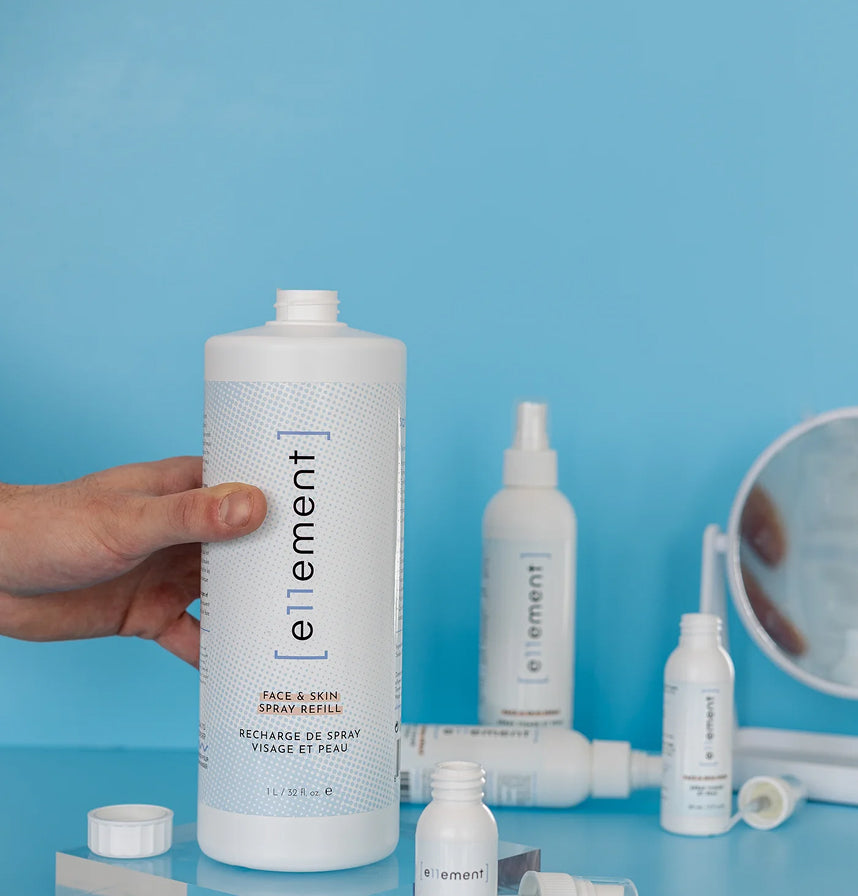
These products are often available as sprays or solutions designed to support skin hygiene. Formulations intended for skin application are generally developed to be gentle, although their suitability depends on the concentration, formulation, and individual skin sensitivity.
Unlike some traditional skincare ingredients, hypochlorous acid is not primarily used to exfoliate the skin or remove excess oil. Instead, it is valued for its antimicrobial properties and potential to help maintain a clean skin surface.

How Can Hypochlorous Acid Help Eczema-Prone Skin?
Eczema affects the skin barrier, making it more vulnerable to moisture loss, irritants, and certain microorganisms. Hypochlorous acid may offer supportive benefits, but it should not be considered a cure for eczema.
1. Supports Skin Hygiene
People with eczema may experience breaks in the skin barrier caused by scratching and inflammation. These areas can become vulnerable to bacterial colonisation, particularly from Staphylococcus aureus.
Hypochlorous acid has antimicrobial activity that may help reduce microorganisms on the skin's surface. This can make appropriately formulated products a useful addition to a skincare routine in some circumstances. However, they should not replace medical treatment for infected eczema.
2. May Help Soothe Irritated Skin
Eczema can cause persistent itching, redness, and discomfort. Some people find that suitable hypochlorous acid sprays provide a soothing addition to their skincare routine.
However, evidence supporting hypochlorous acid specifically for eczema symptoms remains limited. Results can vary depending on the severity of the condition, the product formulation, and the person's skin sensitivity. Persistent inflammation generally requires established eczema treatments.
3. Offers an Option for Sensitive Skin Routines
People with eczema often need to avoid products containing fragrances, harsh detergents, and unnecessary irritants. Hypochlorous acid products formulated for sensitive skin may be suitable for some individuals.
Nevertheless, a product labelled as gentle is not automatically appropriate for everyone. Check the complete ingredient list and choose a product specifically intended for topical skin use.
How to Use Hypochlorous Acid in an Eczema Skincare Routine
Introducing a new product carefully can help reduce the likelihood of irritation. Follow these steps when considering hypochlorous acid for eczema-prone skin.
Step 1: Choose a Suitable Formulation
Select a hypochlorous acid product specifically formulated for skin application. Avoid household disinfectants, cleaning solutions, and products not intended for topical use. Follow the manufacturer's storage instructions because formulation stability can affect product performance.
Step 2: Start With Clean Skin
Gently cleanse the affected area using lukewarm water and a mild, fragrance-free cleanser. Avoid scrubbing or using hot water, as both may worsen dryness and irritation.
If the product instructions recommend application to clean skin, follow those directions carefully.
Step 3: Apply as Directed
Use the spray or solution according to its label. Avoid contact with the eyes and other areas identified in the product warnings. Do not apply it to extensive, severely damaged skin without medical advice.
Stop using the product if you notice increased burning, redness, itching, or other signs of irritation.
Step 4: Follow With a Moisturiser
Moisturising is a central part of eczema management. After applying hypochlorous acid as directed, use a fragrance-free moisturiser to help reduce moisture loss and support the skin barrier.
Creams and ointments are often more effective than lightweight lotions for very dry skin. Choose a product that suits your skin and does not cause irritation.
Are There Any Side Effects or Precautions?
Hypochlorous acid products designed for topical use are generally intended to be gentle, but individual reactions are possible. Some people may experience stinging, dryness, or irritation, especially when the skin barrier is already compromised.
Consider testing the product on a small area of unaffected skin first, following the manufacturer's instructions. A patch test cannot guarantee that a reaction will not occur.
Seek medical advice if eczema becomes increasingly painful, develops spreading redness, produces pus, forms yellowish crusts, or is accompanied by fever. These symptoms may indicate an infection requiring prompt assessment.
Children, people with severe eczema, and individuals using prescription skin treatments should consult a healthcare professional before introducing a new product when suitability is uncertain.
Can Hypochlorous Acid Replace Traditional Eczema Treatments?
No. Hypochlorous acid should be considered a possible supportive skincare product rather than a replacement for proven eczema treatments.
Depending on the severity of the condition, treatment may include regular moisturising, topical corticosteroids, prescription non-steroidal anti-inflammatory medicines, or other therapies recommended by a healthcare professional.
Research into hypochlorous acid for inflammatory skin conditions is ongoing, and more high-quality studies are needed to establish its effectiveness specifically for eczema. Its antimicrobial properties do not automatically mean it will control the inflammation responsible for eczema symptoms.
Conclusion
Your Guide to Hypochlorous Acid for Eczema Treatment highlights the potential role of this ingredient in a carefully planned skincare routine. Its antimicrobial properties may support skin hygiene, and some people may find topical formulations soothing. However, evidence for treating eczema directly remains limited.
For the best results, prioritise gentle cleansing, regular moisturising, trigger avoidance, and appropriate medical treatment. If you are considering hypochlorous acid for persistent or severe eczema, consult a dermatologist to determine whether it is suitable for your skin.