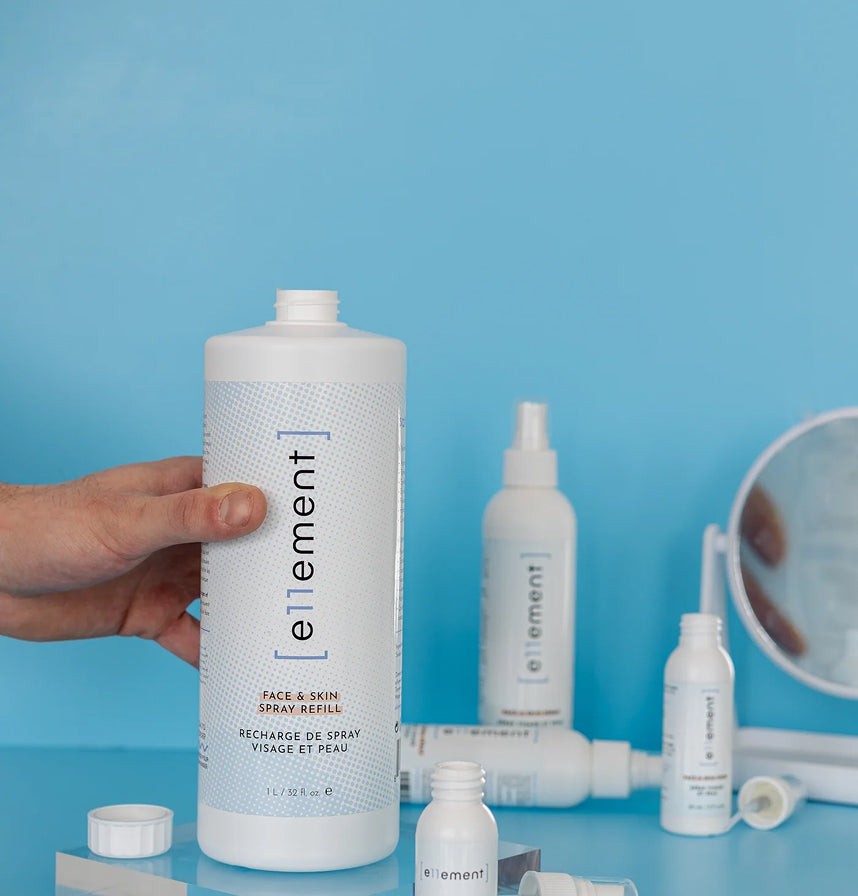
Effective wound care involves more than covering an injury with a dressing. The wound must be assessed, cleaned appropriately, protected from contamination and monitored throughout the healing process. One wound-cleansing option used in clinical and home-care products is hypochlorous acid.
Wound care using hypochlorous acid generally involves applying a properly formulated hypochlorous acid solution to cleanse or irrigate the affected area. Depending on the product and wound type, it may also be used to moisten dressings or assist with wound-bed preparation.
Hypochlorous acid products vary in concentration, formulation and intended use. Therefore, patients and caregivers should follow the product label and seek professional advice for serious, infected, chronic or slow-healing wounds.
What Is Hypochlorous Acid?
Hypochlorous acid, commonly abbreviated as HOCl, is a weak acid that is also produced naturally as part of the body’s immune response. Certain white blood cells produce it to help respond to microorganisms.
For medical use, hypochlorous acid can be manufactured and stabilised in controlled formulations. Some wound-care solutions containing HOCl are intended for cleansing, irrigation, moistening or assisting with the removal of wound debris. FDA-cleared wound cleansers containing hypochlorous acid have different labelled indications, making it important to use a product specifically intended for skin or wound care.
Hypochlorous acid should not be confused with ordinary household bleach. Medical wound-care products are carefully formulated for their intended purpose, while household cleaning chemicals must never be placed on a wound.

How Is Hypochlorous Acid Used in Wound Care?
A hypochlorous acid wound solution may be applied by spraying, pouring or irrigating, depending on the product instructions and treatment plan. Its principal role is usually wound cleansing rather than replacing every other part of wound management.
Cleansing the Wound Surface
Wounds can collect dried fluid, loose material, contaminants and microorganisms. Cleansing helps prepare the wound for assessment and dressing.
Hypochlorous acid solutions may be used to gently irrigate the wound surface. This can be particularly useful where rubbing or forceful wiping could cause discomfort or damage delicate tissue.
Managing Microbial Burden
One reason HOCl is used in wound care is its antimicrobial activity. Published research suggests that stabilised hypochlorous acid may help reduce microbial burden while remaining compatible with wound-healing processes when used in suitable formulations. However, the quality of evidence differs between wound types, and HOCl should be considered part of a complete wound-care plan rather than a universal treatment.
A wound that is red, swollen, increasingly painful, producing pus or accompanied by fever requires medical assessment. A cleansing product should not be used to delay professional treatment for a suspected infection.
Moistening Dressings and Wound Beds
Some products are labelled for moistening dressings or helping maintain an appropriate wound environment. Moisture management is important because a wound that becomes excessively dry may be harder to manage, while excess moisture can damage the surrounding skin.
The appropriate dressing depends on wound depth, drainage, location and the condition of the surrounding tissue.
Potential Benefits of Wound Care Using Hypochlorous Acid
One practical advantage of suitable HOCl formulations is that they can cleanse the wound without requiring harsh physical scrubbing. This may make application more comfortable for sensitive wounds.
Research has also explored whether stabilised hypochlorous acid can support re-epithelialisation, the process through which new surface skin forms over a wound. A human study involving standardised acute wounds reported promising findings for bacterial control and re-epithelialisation, although the researchers noted that further studies are required.
Additional potential benefits may include:
-
Convenient spray or irrigation application
-
Removal of loose debris and contaminants
-
Support for wound-bed preparation
-
Compatibility with selected wound dressings
-
Use across certain acute and chronic wound-care settings
These benefits depend on the formulation, wound condition and correct use. A product suitable for a minor superficial wound may not be appropriate for a deep surgical wound, pressure injury or diabetic foot ulcer.
When Should Medical Advice Be Sought?
Minor cuts and abrasions may often be managed with basic first aid. However, professional assessment is important when a wound:
-
Is deep, punctured or caused by an animal or human bite
-
Has uncontrolled bleeding
-
Contains embedded material
-
Shows signs of infection
-
Results from a burn or chemical exposure
-
Develops over a pressure point
-
Is associated with diabetes or poor circulation
-
Does not show expected healing progress
-
Opens after surgery
People with reduced sensation, weakened immunity or circulation problems should be especially cautious. These conditions can make it difficult to recognise worsening wounds and may increase the risk of complications.

How to Use HOCl Products Responsibly
Always confirm that the solution is labelled for wound or skin use. Follow the stated directions for application, contact time, storage and disposal.
Do not mix hypochlorous acid wound products with other antiseptics or cleaning chemicals unless a healthcare professional specifically directs you to do so. Combining products may reduce effectiveness or irritate tissue.
Before applying a new dressing, examine the wound and surrounding skin. Changes in drainage, colour, odour, pain or swelling should be documented and discussed with a clinician when necessary.
Conclusion
Wound Care using hypochlorous acid can provide a gentle method for cleansing, irrigating and preparing certain wounds for dressing. Properly formulated HOCl solutions may help manage microbial burden and support an appropriate wound-care environment.
However, successful healing also depends on accurate wound assessment, suitable dressings, moisture control, pressure management and treatment of underlying medical conditions. Hypochlorous acid should therefore be used according to its labelled purpose and as part of a broader care plan, particularly for chronic, infected or complex wounds.