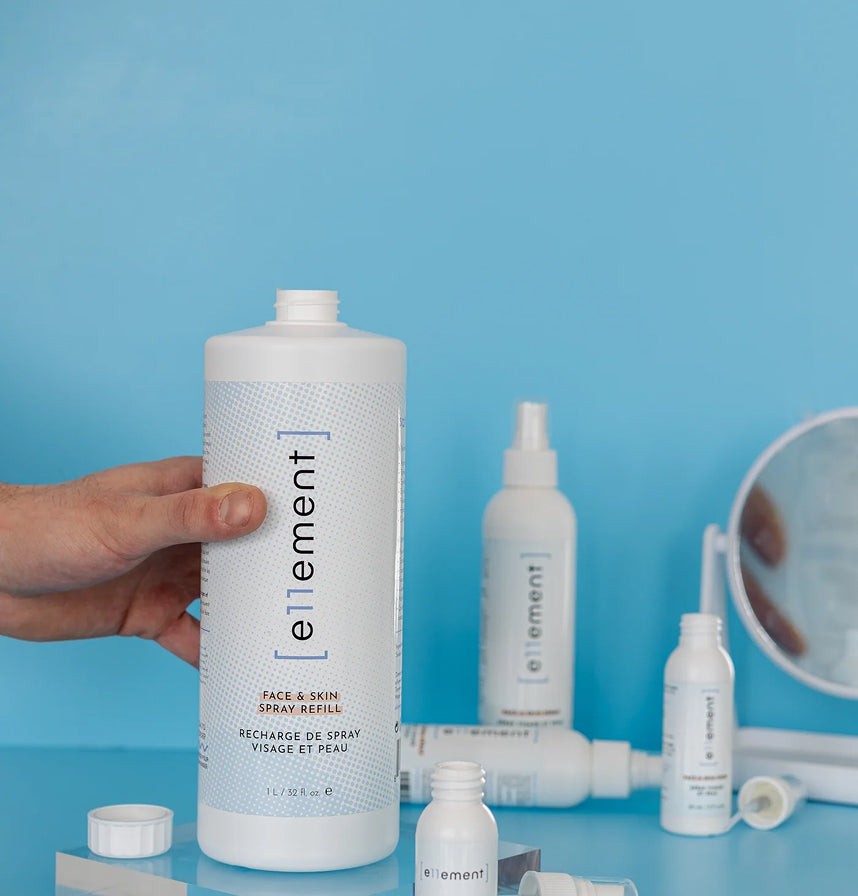
Hypochlorous acid is a skincare ingredient commonly found in facial sprays, cleansing mists, and topical skin solutions. It has gained attention because it is often formulated as a lightweight, water-based product that can be suitable for many skin types, including sensitive-looking or acne-prone skin.
If you are wondering, “What Is Hypochlorous Acid in Skincare, and How Does It Work?” it is important to understand that it is not a traditional moisturiser, exfoliant, or acne medication. Instead, it is generally used as a gentle skin-cleansing and refreshing ingredient that may support a simple skincare routine.
While hypochlorous acid can be a useful addition for some people, it should be used appropriately and should not replace dermatologist-recommended treatment for persistent skin concerns.
What Is Hypochlorous Acid?
Hypochlorous acid, often written as HOCl, is a naturally occurring compound that the body’s immune cells can produce. It plays a role in the body’s normal response to microbes and irritation.
For skincare and topical products, hypochlorous acid is created in controlled conditions and added to a water-based formula. These products are commonly sold as sprays, mists, or liquid cleansers. They are usually designed to be applied directly to the skin without needing to be rinsed off.
Hypochlorous acid is also used in certain skin and wound-cleansing products. However, product use can vary, so it is important to use only products clearly labelled for facial or topical skin use.
How Is It Different From Bleach?
Hypochlorous acid is sometimes confused with bleach because both involve chlorine-related compounds. However, they are not the same thing and should not be used interchangeably.
Household bleach and cleaning solutions are not suitable for facial skincare. Never apply household disinfectants, sanitising sprays, or cleaning products to the skin. A skincare product containing hypochlorous acid should be specifically formulated, tested, and labelled for personal topical use.

How Does Hypochlorous Acid Work on the Skin?
Hypochlorous acid is generally used as a gentle cleansing and refreshing step. When sprayed on the skin, it can help remove light surface residue and leave the skin feeling fresh without the strong sensation associated with many alcohol-based toners.
Its water-like texture makes it easy to apply after cleansing, during the day, or after exercise. Many people use it when their skin feels sweaty, exposed to pollution, or uncomfortable after wearing a mask or helmet.
It May Support a Simple Skin Routine
A simple skincare routine is often easier for the skin to tolerate than a routine with many strong active ingredients. Hypochlorous acid can fit into a routine without adding oil, thick cream, or physical exfoliation.
For people who use ingredients such as retinoids, benzoyl peroxide, or exfoliating acids, a gentle facial mist may feel more comfortable than a harsh toner. However, hypochlorous acid should not be treated as a substitute for moisturiser or active acne treatment.
Who May Consider Using Hypochlorous Acid?
Hypochlorous acid skincare products may suit people who prefer a minimal and lightweight skincare routine. They can be useful for normal, oily, combination, or acne-prone skin, depending on the overall formula.
People may consider using it in situations such as:
-
After exercise or sweating
-
After wearing a face mask or helmet
-
As a gentle step after cleansing
-
When skin feels exposed to dust or pollution
-
When avoiding strong, alcohol-based toners
-
As part of a simple routine for sensitive-looking skin
Every person’s skin is different. A product that feels comfortable for one person may cause irritation for another.
It May Be Helpful After Exercise
After exercise, sweat can combine with oil, sunscreen, and environmental residue. If you cannot cleanse your face immediately, a hypochlorous acid facial spray may help refresh the skin temporarily.
However, it does not replace proper cleansing after heavy sweating. Washing with a mild cleanser remains important to remove oil, dirt, sunscreen, and other residue from the skin.
How to Use Hypochlorous Acid in a Skincare Routine
Hypochlorous acid is generally easy to apply, but the correct order matters. Use it after cleansing and before heavier products, such as serums, moisturisers, or sunscreen.
A simple routine may include the following steps:
-
Cleanse with a gentle face wash.
-
Spray hypochlorous acid over clean skin.
-
Allow it to dry naturally.
-
Apply serum or treatment products if needed.
-
Use a non-comedogenic moisturiser.
-
Apply broad-spectrum sunscreen during the day.
Start With One Daily Application
When trying a hypochlorous acid product for the first time, start with one application a day. This makes it easier to see how your skin responds.
If your skin remains comfortable, you can use it according to the product instructions. Avoid introducing several new products at once, especially if you have sensitive or acne-prone skin. Doing so can make it difficult to identify the cause of irritation or breakouts.
Can Hypochlorous Acid Treat Acne?
Hypochlorous acid may be used as a supportive step in an acne-prone skincare routine, but it should not be considered a complete acne treatment. Acne may need targeted ingredients such as salicylic acid, benzoyl peroxide, adapalene, azelaic acid, or prescription medication.
A facial spray can help keep a routine gentle, but it is unlikely to address deeper breakouts, clogged pores, hormonal acne, cysts, or acne scarring on its own.
Combine It With Proven Acne Care
If you are managing mild acne, focus on gentle cleansing, non-comedogenic moisturiser, suitable sunscreen, and one evidence-based acne treatment at a time. Avoid picking pimples or scrubbing the skin, as both habits can worsen inflammation and increase the risk of marks.
If breakouts do not improve after two to three months of consistent care, consult a dermatologist.
Safety Tips and Product Selection
Choose hypochlorous acid products that are designed for facial or topical use. Read the label carefully and avoid products with unclear instructions.
If you have highly sensitive skin, eczema, rosacea, or a history of allergies, perform a patch test first. Apply a small amount to the inner arm or jawline and wait for 24 hours. Stop using the product if you notice itching, burning, redness, swelling, or a rash.
Do not use hypochlorous acid products on deep cuts, severe burns, or infected skin unless advised by a healthcare professional.
Conclusion
Hypochlorous acid is a lightweight skincare ingredient that can support a gentle, simple routine. It is commonly used in facial sprays to refresh the skin and may be a suitable alternative to harsh toners for some people.
It is not a moisturiser or a complete acne treatment, but it can fit well alongside gentle cleansing, non-comedogenic moisturiser, sunscreen, and proven acne treatments. Choose a product intended for skin use, introduce it gradually, and consult a dermatologist for persistent or severe concerns.