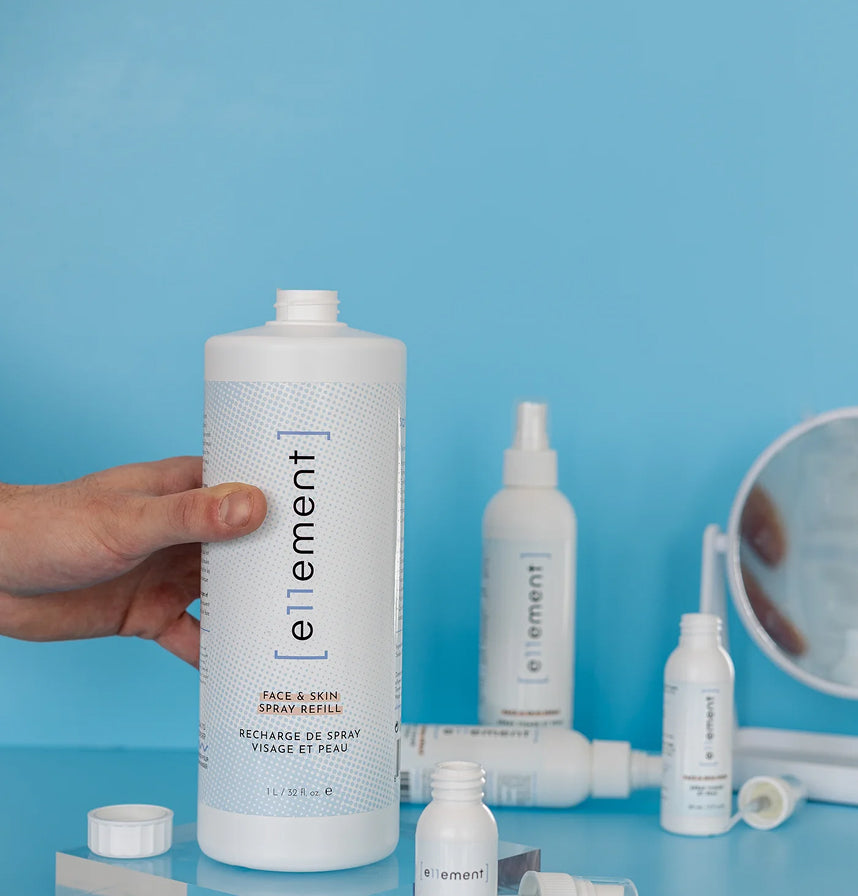
Maintaining comfortable, healthy-looking skin can be challenging when environmental factors, excess oil, and everyday irritants affect the skin's natural balance. A repairing facial spray with hypochlorous acid offers a convenient option for people looking to support their skincare routine without adding complicated steps. This ingredient has gained attention for its antimicrobial properties and potential to help calm irritated skin.
Hypochlorous acid is a substance naturally produced by the body's immune system as part of its defence against microorganisms. In skincare products, it is formulated for topical use to help manage certain skin concerns. However, results depend on the product's formulation, concentration, and intended use.
Understanding how hypochlorous acid works, how to apply it, and what to consider when choosing a facial spray can help you decide whether it suits your skincare needs.
What Is Hypochlorous Acid in Skincare?
Hypochlorous acid, often abbreviated as HOCl, is a compound involved in the body's natural immune response. It helps the body defend itself against unwanted microorganisms. When carefully formulated for skincare, hypochlorous acid can provide antimicrobial activity and may help support skin comfort.
Unlike some harsh cleansing ingredients, facial sprays formulated with hypochlorous acid are often designed for gentle application. They can be useful for people who want a lightweight product that fits easily into a daily routine.
How Does Hypochlorous Acid Work?
Hypochlorous acid helps target certain microorganisms on the skin's surface. Its antimicrobial action makes it useful in selected skincare and wound-care applications, depending on the product's intended purpose and regulatory status.
A facial spray containing this ingredient may help keep the skin's surface clean while supporting a comfortable skincare routine. It should not be considered a replacement for prescribed acne treatments, medical care, or products specifically designed to repair the skin barrier.

Key Benefits of a Repairing Facial Spray with Hypochlorous Acid
A repairing facial spray with hypochlorous acid may offer several benefits when used as directed. Individual results can vary depending on skin type and the product's formulation.
Helps Calm the Appearance of Irritated Skin
Skin can become irritated because of weather changes, sweat, friction, shaving, or the use of unsuitable skincare products. A well-formulated hypochlorous acid spray may help support skin comfort and reduce the appearance of temporary irritation.
People with sensitive skin may appreciate its lightweight texture. However, sensitivity varies, so testing a new product on a small area before regular use is advisable.
Supports Surface Hygiene
Sweat, oil, and environmental exposure can contribute to the accumulation of impurities on the skin. Hypochlorous acid has antimicrobial properties that may help manage certain microorganisms on the skin's surface.
A facial spray can be a convenient addition to a cleansing routine, especially after exercise or during hot weather. It should not replace washing the face when sweat, sunscreen, makeup, or visible dirt needs to be removed.
Fits Into a Simple Skincare Routine
Many people prefer skincare products that are easy to apply and do not leave a heavy residue. A water-based facial spray can be convenient for use at home or while travelling.
When used alongside a gentle cleanser and suitable moisturiser, it may help maintain a straightforward routine without requiring multiple additional products.
How to Use a Hypochlorous Acid Facial Spray
Correct application helps you use the product as intended and reduces the risk of unnecessary irritation.
Follow These Application Steps
-
Cleanse your face: Use a gentle cleanser to remove makeup, sunscreen, sweat, and excess oil.
-
Apply the spray: Follow the product label for the recommended spraying distance and application method.
-
Allow it to dry: Let the product air-dry if the manufacturer's instructions recommend this.
-
Apply moisturiser: Use a moisturiser suited to your skin type to help maintain hydration.
-
Use sunscreen during the day: Finish your morning routine with broad-spectrum sunscreen with SPF 30 or higher.
Check the label to determine whether the spray is intended for facial use and whether it should be applied around the eyes or other sensitive areas. Avoid spraying directly into the eyes or inhaling the mist.
Who May Benefit from Hypochlorous Acid Facial Spray?
A facial spray formulated with hypochlorous acid may suit adults who want a lightweight product to complement their skincare routine. It may be particularly appealing to people who experience occasional surface irritation associated with sweat, friction, or environmental exposure.
Those with oily or blemish-prone skin may also be interested in its antimicrobial properties. However, evidence supporting hypochlorous acid specifically as an acne treatment remains limited, and it should not replace established acne therapies.
People with eczema, rosacea, persistent redness, or damaged skin should choose products carefully. Consult a dermatologist if symptoms are ongoing, severe, or worsening.
What to Consider Before Choosing a Facial Spray
Not all hypochlorous acid products are identical. Their formulation, stability, packaging, and intended use can influence performance.
Look for a product specifically formulated for facial application. Check its ingredient list, usage instructions, storage requirements, and expiry date. Hypochlorous acid can lose stability under unsuitable storage conditions, so follow the manufacturer's recommendations.
Avoid assuming that a higher concentration automatically provides better results. A product should be formulated for its intended purpose rather than selected solely on concentration.
If you experience burning, increased redness, swelling, or persistent discomfort after application, discontinue use and seek professional advice if symptoms continue.
Final Thoughts
A repairing facial spray with hypochlorous acid can be a practical addition to a simple skincare routine, particularly for people seeking a lightweight product with antimicrobial properties. Depending on its formulation, it may help support surface hygiene and skin comfort.
For the best results, use a product designed for facial application, follow the manufacturer's instructions, and combine it with gentle cleansing, moisturising, and daily sun protection. Remember that a facial spray is a supporting skincare product rather than a universal solution for acne, inflammation, or skin barrier damage. If you have persistent skin concerns, professional guidance can help you choose the most appropriate treatment.