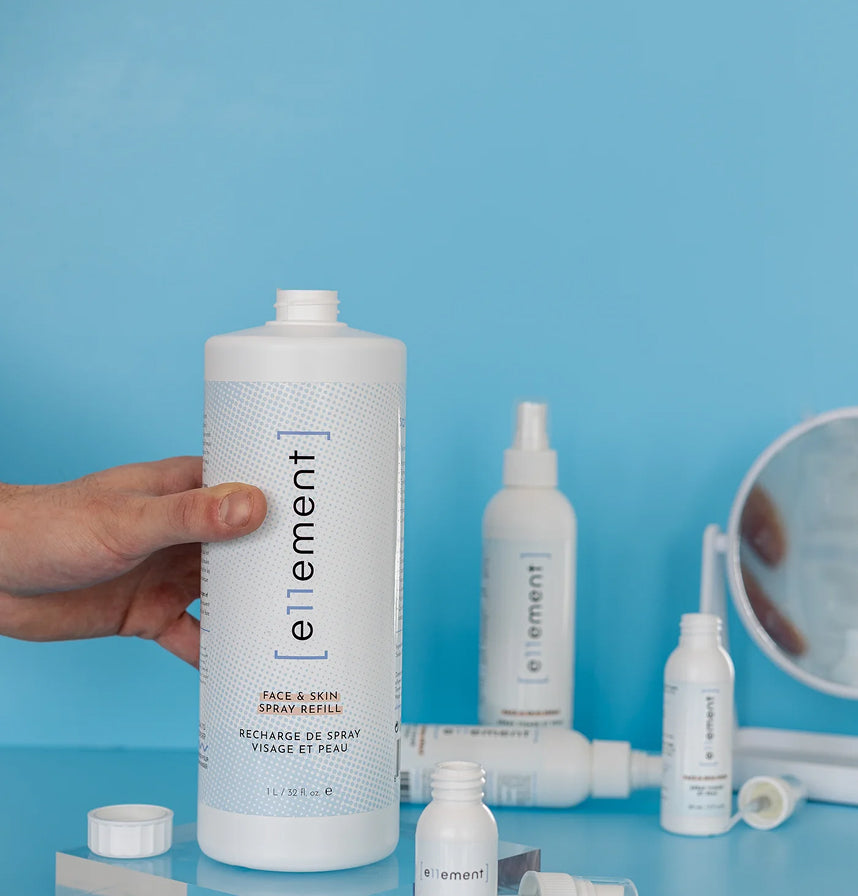
Building an effective skincare routine often involves combining products that address different skin concerns. Hypochlorous acid spray and retinol are two popular skincare options, but they serve different purposes. Hypochlorous acid is commonly used to soothe irritated skin and support its natural defence against unwanted microorganisms, while retinol helps improve skin texture, fine lines, and uneven tone.
This raises an important question: Can You Use Hypochlorous Acid Spray with Retinol? In most cases, yes. These products can generally be used in the same skincare routine when formulated for topical use and applied correctly. Understanding their benefits, application order, and potential side effects can help you use both products more comfortably.
What Is Hypochlorous Acid Spray?
Hypochlorous acid (HOCl) is a substance naturally produced by certain immune cells as part of the body's defence system. In skincare, it is used in appropriately formulated topical products to help soothe the skin and support skin hygiene.
Hypochlorous acid sprays are often chosen by people experiencing temporary redness, irritation, or discomfort. Depending on the formulation, they may also be suitable for skin that is prone to blemishes.
Benefits of Hypochlorous Acid for Skin
Hypochlorous acid spray may offer several benefits when used as directed:
-
Soothes irritation: It may help calm the feeling of discomfort associated with irritated skin.
-
Supports skin hygiene: Its antimicrobial properties can help manage certain microorganisms on the skin.
-
Fits into simple routines: A suitable spray can be used without adding a heavy or greasy layer.
-
Works for different skin types: Many formulations are designed for sensitive skin, although individual reactions can vary.
Choose a product specifically formulated for topical skin use rather than a household disinfectant or cleaning solution.

How Does Retinol Work in Skincare?
Retinol is a vitamin A derivative widely used to address signs of ageing, uneven skin texture, and certain types of acne. It supports skin cell turnover and can help improve the appearance of fine lines and discoloration over time.
However, retinol can cause dryness, peeling, redness, and sensitivity, particularly when you first introduce it into your routine or use it too frequently.
Main Benefits of Retinol
Regular, appropriate use of retinol may help improve:
-
The appearance of fine lines and wrinkles.
-
Uneven skin texture and roughness.
-
Some forms of acne and clogged pores.
-
The appearance of dark spots and uneven skin tone.
Results take time, and consistent use is more important than applying large amounts. Beginners should generally start with a low-strength product and use it only a few nights per week, increasing frequency as tolerated.
Can You Use Hypochlorous Acid Spray with Retinol in the Same Routine?
Yes, hypochlorous acid spray and retinol can generally be incorporated into the same skincare routine. There is no well-established evidence that these ingredients are inherently incompatible when used in properly formulated topical products.
However, the complete formulation, product instructions, and condition of your skin matter. Hypochlorous acid spray does not automatically prevent retinol irritation, and using both products does not guarantee better results.
If your skin is already red, peeling, or uncomfortable from retinol, focus on restoring comfort with a gentle cleanser and moisturiser rather than adding more active treatments.
Recommended Application Order
For a straightforward routine, follow these steps:
-
Cleanse your face: Use a gentle cleanser to remove makeup, oil, and daily impurities.
-
Apply hypochlorous acid spray: Follow the product instructions and allow the spray to dry completely before applying other skincare products.
-
Apply retinol: At night, use the amount and frequency recommended on the product label. Avoid the eyes, corners of the nose, and lips unless the product is specifically intended for those areas.
-
Moisturise: Finish with a moisturiser to help reduce dryness and support the skin barrier.
If your hypochlorous acid product has specific instructions about when or how to use it, follow those directions. You can also use the spray in the morning and retinol at night if that arrangement suits your skin better.
How to Reduce Irritation When Using Both Products
Although these products can generally be combined, introducing too many skincare products at once can make it difficult to identify the cause of irritation.
Start by introducing one product at a time. If you are new to retinol, use it on two non-consecutive nights per week initially, adjusting according to your skin's response and the product instructions.
Avoid combining retinol with several other potentially irritating treatments, such as strong exfoliating acids, until you know how your skin responds. Apply a fragrance-free moisturiser if dryness develops, and avoid scrubbing or exfoliating irritated areas.
If you experience persistent burning, significant swelling, or worsening redness, stop using the suspected product and seek advice from a qualified healthcare professional.
Who Should Be Careful When Combining These Products?
People with sensitive skin, eczema, rosacea, or an already damaged skin barrier may need a more cautious approach. Hypochlorous acid may be tolerated by some people with sensitive skin, but individual formulations can still cause reactions.
If you have a skin condition or are using prescription acne treatments, consult a dermatologist before adding retinol or changing your routine. Retinoids are generally avoided during pregnancy; seek medical advice before using retinol if you are pregnant or planning to become pregnant.
A patch test can help identify possible reactions, although it cannot guarantee that a product will never cause irritation.
Should You Use Hypochlorous Acid Spray Every Day with Retinol?
Daily use may be appropriate for some topical hypochlorous acid sprays, depending on their intended purpose and label instructions. Retinol frequency should be based on your skin's tolerance and the product's directions.
During the day, apply a broad-spectrum sunscreen with SPF 30 or higher. Retinol can increase irritation and sensitivity to sunlight, making sun protection an important part of your routine.
Conclusion
So, can you use hypochlorous acid spray with retinol? In most cases, yes. Hypochlorous acid spray can help support skin hygiene and soothe irritation, while retinol addresses concerns such as uneven texture, acne, and visible signs of ageing.
The key is to choose suitable products, apply them according to their instructions, and introduce retinol gradually. Allowing the spray to dry, moisturising regularly, and using daily sunscreen can help you maintain a more comfortable skincare routine. If irritation persists or you have an underlying skin condition, consult a dermatologist for personalised guidance.