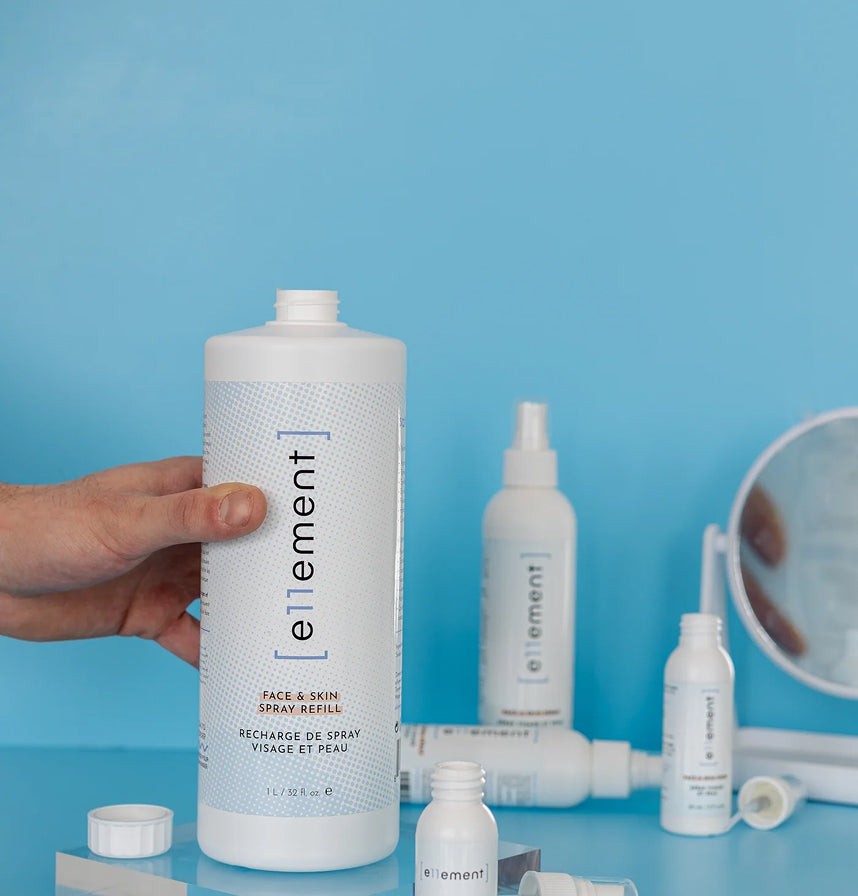
Finding an acne product that feels comfortable on sensitive skin can be difficult. Many popular ingredients help manage clogged pores and breakouts, but they may also cause dryness, peeling, redness or stinging. That is why hypochlorous acid sprays have gained attention among people looking for a simple and gentle addition to their skincare routine.
Hypochlorous Acid Skin Spray for Acne: Why I’m Loving It for Sensitive skin comes down to its uncomplicated application and generally lightweight feel. It can be sprayed onto the face without rubbing, scrubbing or layering another heavy cream. More importantly, emerging dermatology research suggests that properly formulated hypochlorous acid may provide antimicrobial and anti-inflammatory benefits. However, it should be viewed as a supportive skincare product rather than a complete acne treatment.
What Is Hypochlorous Acid?
Hypochlorous acid, commonly written as HOCl, is a weak acid with antimicrobial properties. It is also naturally produced by certain immune cells as part of the body’s defence response.
In topical products, hypochlorous acid is usually provided in a stabilised water-based solution. The stability, concentration and pH of the formula matter because these factors can influence how the product performs after it is applied to the skin.
Hypochlorous acid has been used in areas such as wound cleansing and skin preparation. Its role in everyday skincare is newer, and research into its use for acne and other inflammatory skin concerns is still developing.

How Can Hypochlorous Acid Help Acne-Prone Skin?
Acne is influenced by several factors, including excess oil, blocked pores, inflammation and the activity of bacteria on the skin. A hypochlorous acid spray does not address every cause of acne, but it may support the skin in a few practical ways.
It May Reduce Surface Bacteria
Hypochlorous acid has broad antimicrobial activity. This means it may help reduce certain microorganisms present on the skin’s surface. For acne-prone individuals, controlling excess surface bacteria may help create a cleaner environment, particularly after sweating, exercise or wearing a face covering.
This does not mean hypochlorous acid can replace established acne medicines. Treatments such as benzoyl peroxide, topical retinoids and other dermatologist-recommended options have a larger body of evidence behind them.
It May Calm Visible Redness
Inflammation contributes to the red, swollen appearance of many acne lesions. Laboratory and clinical literature suggests that topical hypochlorous acid may have anti-inflammatory and immunomodulatory properties. This may explain why some people find it soothing when their skin feels irritated or reactive.
The calming effect can be especially appealing for people whose skin becomes uncomfortable when they use several active ingredients at the same time.
It Requires Minimal Skin Contact
A spray format can be useful for sensitive skin because it does not require cotton pads, scrubbing or repeated touching. Once sprayed, the product can generally be allowed to air-dry before the next skincare step.
This simple application may be helpful when the skin barrier already feels irritated. Nevertheless, users should always follow the instructions printed on the specific product.
Why It May Suit Sensitive Skin
Sensitive skin often reacts poorly to fragrance, alcohol-heavy formulas and complex ingredient combinations. Many hypochlorous acid facial sprays contain relatively short ingredient lists, although formulas vary between brands.
A well-formulated spray may feel lighter than traditional acne creams and may be easier to introduce gradually. It can also fit into a basic routine without adding exfoliation or strong resurfacing ingredients.
However, “gentle” does not mean irritation is impossible. Patch testing is still advisable, especially for people with eczema, allergies, an impaired skin barrier or a history of reactions to skincare products.
How to Use Hypochlorous Acid Spray in a Skincare Routine
Begin by cleansing the face with a mild, fragrance-free cleanser. Pat the skin dry, then spray the hypochlorous acid product evenly over the intended area. Avoid inhaling the mist and keep the product out of the mouth unless its instructions specifically state otherwise.
Allow the spray to dry before applying moisturiser, sunscreen or prescribed acne treatment. Depending on the product directions and individual tolerance, it may be used once or several times during the day.
Possible times to use it include:
-
After cleansing in the morning or evening
-
After exercise or heavy sweating
-
After wearing a helmet, mask or other close-fitting equipment
-
Before applying a simple moisturiser
Avoid transferring household disinfectant into a skincare bottle. Only use a product specifically formulated and labelled for topical skin application.
What Hypochlorous Acid Cannot Do
Hypochlorous acid is not an exfoliant, so it does not directly remove dead skin cells from blocked pores. It also does not regulate hormones or substantially reduce oil production.
For this reason, it may not be enough for persistent blackheads, cystic acne, nodules or widespread inflammatory breakouts. People with moderate or severe acne may need a structured treatment plan from a dermatologist.
It is also important to seek professional advice if acne is painful, leaving scars, worsening rapidly or affecting emotional wellbeing.

Choosing a Hypochlorous Acid Skin Spray
Look for a product designed specifically for facial or skin use. The packaging should clearly list its ingredients, directions, storage instructions and expiry information.
Because hypochlorous acid can be chemically unstable, proper packaging and storage are important. Keep the bottle away from excessive heat and direct sunlight unless the manufacturer provides different instructions. Do not use a product that has passed its expiry date or changed noticeably in appearance or odour.
Final Thoughts
Hypochlorous acid spray may be a useful supporting step for acne-prone skin that is easily irritated. Its antimicrobial and potentially calming properties make it appealing after cleansing, sweating or exposure to conditions that leave the skin feeling uncomfortable.
Still, it should not be presented as a cure for acne. Evidence for its direct acne benefits remains more limited than the evidence supporting established acne treatments. A sensible approach is to use it as part of a gentle routine, monitor how the skin responds and consult a dermatologist when breakouts are persistent, painful or scarring.