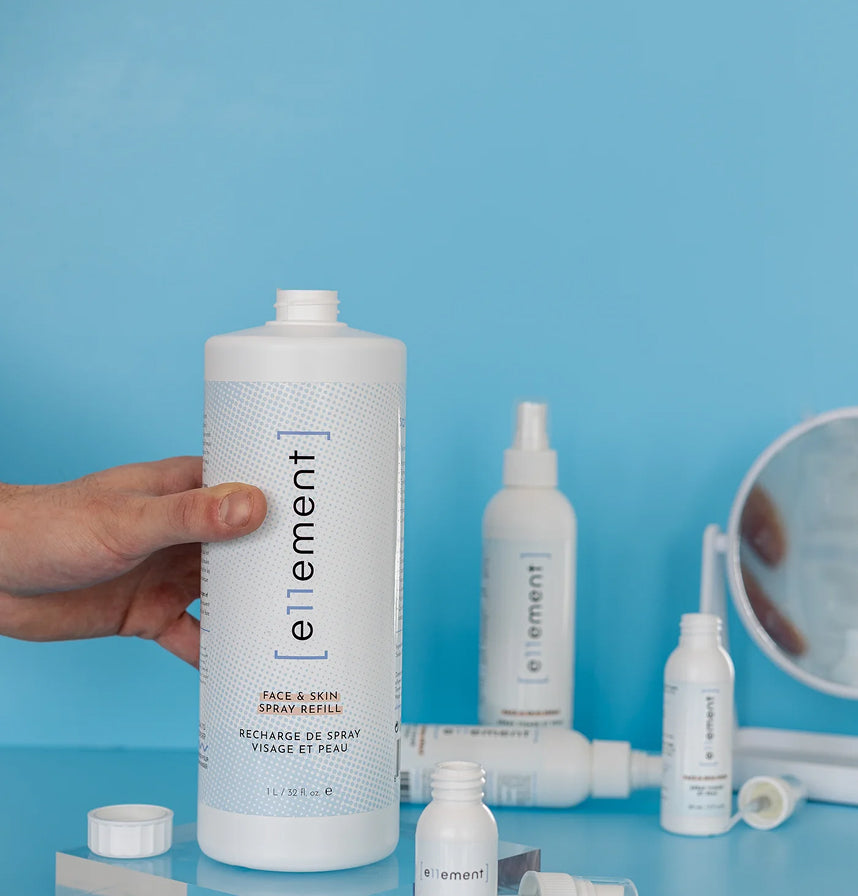
Body odor is a common concern that can affect comfort and confidence throughout the day. Although sweating is a natural process that helps regulate body temperature, unpleasant odour can develop when bacteria on the skin break down substances found in sweat. Deodourants, antiperspirants, and regular cleansing can help manage this issue, but some people are also exploring hypochlorous acid (HOCl) as an alternative for skin care and odor control.
Hypochlorous acid has attracted attention because of its antimicrobial properties and potential use in topical skin products. Understanding hypochlorous acid (HOCl) for body odour: what the science shows can help consumers make informed decisions about whether this ingredient belongs in their personal hygiene routine.
What Is Hypochlorous Acid?
Hypochlorous acid is a weak acid that contains hydrogen, oxygen, and chlorine. The human body naturally produces HOCl as part of the immune system's response to microorganisms. Certain white blood cells generate it to help defend the body against bacteria and other potentially harmful microbes.
For commercial skin care products, HOCl is generally manufactured through controlled processes and formulated at specific concentrations and pH levels. These formulations are designed for particular uses, including skin cleansing and supporting skin hygiene.
HOCl is not the same as household bleach, even though both involve chlorine chemistry. Their concentrations, chemical properties, formulations, and intended uses differ considerably. Products should never be substituted for one another.

How Can Hypochlorous Acid Help With Body Odor?
Its Effect on Odor-Causing Bacteria
Body odor develops when skin microorganisms break down compounds in sweat and other skin secretions. Areas such as the underarms, feet, and groin provide warm, sometimes moist environments where these microorganisms can thrive.
Hypochlorous acid has antimicrobial activity and can disrupt essential structures and processes in susceptible microorganisms. By reducing certain bacteria on the skin, an appropriately formulated HOCl product may help limit the microbial activity associated with unpleasant odor.
However, its effectiveness depends on factors such as concentration, formulation, contact time, and how the product is used. Reducing bacteria temporarily does not necessarily provide lasting odor protection.
It Does Not Stop Sweating
One important distinction is that HOCl is not an antiperspirant. Antiperspirants typically use ingredients such as aluminum salts to reduce sweat reaching the skin's surface.
HOCl does not perform this same function. It may help address one contributor to body odor, but it does not prevent perspiration or keep the skin dry. People who experience heavy sweating may benefit more from an antiperspirant or a combination of appropriate hygiene measures.
What Does the Science Say About HOCl and Body Odor?
Research supports the antimicrobial activity of hypochlorous acid in certain laboratory and clinical applications. Studies have investigated HOCl-based formulations for uses such as wound cleansing, skin hygiene, and reducing microbial contamination.
These findings provide a scientific reason to investigate its potential role in managing odor-causing bacteria. Nevertheless, evidence that an ingredient has antimicrobial properties does not automatically establish that it is an effective treatment for everyday body odor.
Direct clinical evidence specifically evaluating HOCl as a deodorant remains limited. More research is needed to determine how well different formulations control underarm odor, how long their effects last, and how they compare with established deodorants and antiperspirants.
Therefore, HOCl is best viewed as a potentially useful addition to a hygiene routine rather than a proven replacement for conventional odor-control products.
How to Use Hypochlorous Acid in Your Body Care Routine
Choose a Product Formulated for Skin
Select a commercially prepared HOCl product specifically intended for the relevant skin-care application. Check the label for its intended use, directions, storage instructions, and precautions. Products designed for hard surfaces or other non-skin applications should never be applied to the body.
Apply It to Clean Skin
Follow the manufacturer's directions for application. Depending on the product, this may involve spraying a suitable area of clean skin and allowing it to dry as instructed.
Avoid applying the product to the eyes or other sensitive areas unless its labeling specifically permits that use. Do not mix it with other cleaning agents or attempt to manufacture a concentrated solution at home.
Combine It With Established Hygiene Practices
For more consistent odor management, wash regularly with a gentle cleanser, dry the skin thoroughly, and change out of damp clothing after exercise. Breathable fabrics may also help reduce moisture buildup.
If sweating is the main concern, consider an appropriate antiperspirant. HOCl may complement these practices, but it should not be expected to replace every aspect of personal hygiene.
Is Hypochlorous Acid Safe for Skin?
Properly formulated HOCl products intended for topical use are generally considered well tolerated when used as directed. However, safety depends on the specific formulation, concentration, product quality, and intended application.
Some people may experience irritation or sensitivity. Discontinue use if redness, burning, itching, or other unexpected reactions occur. If you have persistent skin problems or a condition affecting the underarms, consult a qualified healthcare professional before introducing a new product.
People with persistent or suddenly changed body odor should also consider seeking medical advice, particularly when odor occurs alongside a rash, pain, unusual discharge, or other symptoms.
Should You Try HOCl for Body Odor?
Hypochlorous acid offers a scientifically plausible approach to managing one contributor to body odor: bacteria on the skin. Its antimicrobial properties make it an ingredient worth understanding, especially for people interested in alternatives or additions to their existing skin-care routines.
However, the current evidence does not establish HOCl as a consistently effective, long-lasting deodorant. Its role in everyday odor control requires further direct clinical research.
When considering Hypochlorous Acid (HOCl) for Body Odor: What the Science Shows, the most practical approach is to choose a suitable skin-formulated product, follow its directions, and maintain established hygiene habits. If odor persists despite these measures, a healthcare professional can help identify possible causes and recommend appropriate treatment.
Ultimately, HOCl may have a place in personal care, but realistic expectations and evidence-based product choices remain essential.