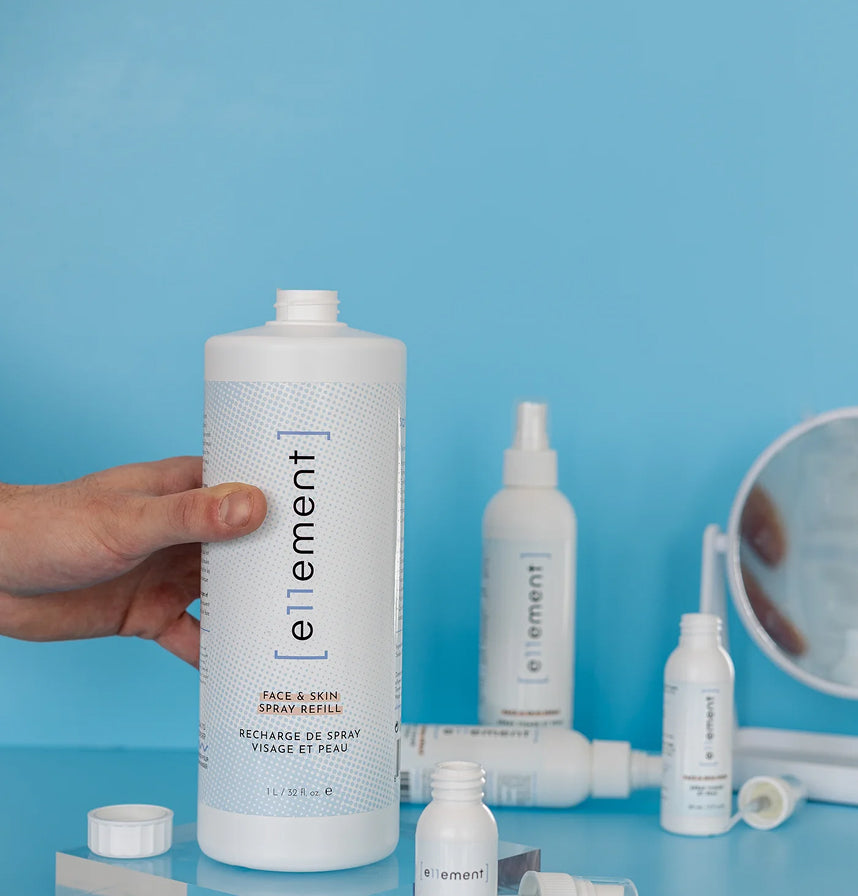
Winter can create several challenges for maintaining healthy-looking skin. Cold temperatures, dry air, indoor heating and changes in humidity can affect the skin's natural moisture balance. These conditions may contribute to dryness, irritation, redness and breakouts. People with sensitive or acne-prone skin may notice that their usual skincare routine does not provide the same results during colder months.
One product gaining attention in skincare routines is hypochlorous acid spray. Known for its gentle cleansing properties, hypochlorous acid is used in certain skincare formulations designed to support skin hygiene and comfort.
But Can Hypochlorous Acid Spray Help With Winter Acne and Redness? It may help support a gentle skincare routine by reducing surface impurities and providing a convenient way to refresh the skin. However, it is important to understand its benefits, limitations and proper application before incorporating it into your winter skincare routine.
What Is Hypochlorous Acid Spray?
Hypochlorous acid (HOCl) is a substance naturally produced by certain immune cells in the human body as part of the body's defence response. In skincare, laboratory-produced hypochlorous acid is used in specially formulated topical products.
These sprays are generally designed for external use and are available in formulations intended to cleanse and refresh the skin. Their antimicrobial properties make them useful in certain skin hygiene applications.
Unlike some harsh cleansing products, appropriately formulated hypochlorous acid sprays are often designed to be gentle. However, product quality, concentration, formulation and intended use are important considerations.
Can Hypochlorous Acid Spray Help With Winter Acne and Redness?
Hypochlorous acid spray may help support skin hygiene and reduce certain forms of surface irritation. It can be a useful addition to a winter skincare routine, particularly for people who prefer lightweight products that do not leave a heavy residue.
Here are some potential benefits to consider.
1. Helps Keep Acne-Prone Skin Clean
Winter skincare products, moisturisers and sunscreen can accumulate on the skin throughout the day. Combined with excess oil and environmental impurities, this may contribute to clogged pores and breakouts.
Hypochlorous acid has antimicrobial activity and may help reduce certain microorganisms on the skin's surface. Using an appropriately formulated spray can support skin cleanliness.
However, it should not be considered a replacement for established acne treatments containing ingredients such as salicylic acid or benzoyl peroxide.

2. May Help Calm Visible Redness
Cold weather and indoor heating can leave sensitive skin feeling uncomfortable. Some people experience temporary redness, dryness and irritation during winter.
Hypochlorous acid skincare products are often formulated to support gentle skin cleansing without the harshness associated with some traditional products. This may help improve skin comfort when used appropriately.
However, persistent redness can have several causes, including eczema, rosacea and allergic reactions. A hypochlorous acid spray does not treat every underlying skin condition.
3. Supports a Gentle Skincare Routine
Winter skin can become more sensitive when exposed to excessive exfoliation, strong cleansers and multiple active ingredients.
A suitable hypochlorous acid spray can provide a lightweight cleansing step without adding heavy oils or creams. It may fit into routines where maintaining skin comfort is a priority.
Choose products specifically formulated for facial skincare rather than using household disinfectants or cleaning solutions.
4. Provides Convenient Skin Refreshing
A spray format makes application simple, particularly during busy days. It can be used after cleansing or when the skin needs refreshing, provided the product instructions allow it.
Because it is lightweight, it can also be incorporated into a routine alongside moisturisers and sunscreen without necessarily creating a heavy feeling.
How to Use Hypochlorous Acid Spray During Winter
Correct application helps you incorporate the product without unnecessarily irritating your skin.
Step 1: Cleanse Your Face
Begin with a mild facial cleanser to remove makeup, excess oil and everyday impurities. Avoid hot water and harsh cleansing products that can increase winter dryness.
Step 2: Apply Hypochlorous Acid Spray
Close your eyes and spray the product evenly over your face according to the manufacturer's instructions. Allow it to dry naturally before applying other skincare products.
Step 3: Apply a Moisturiser
Follow with a moisturiser suitable for your skin type. Ingredients such as ceramides, glycerin and hyaluronic acid can help support the skin's moisture barrier.
Step 4: Use Sunscreen During the Day
Finish your morning routine with broad-spectrum SPF 30 or higher sunscreen. Sun protection remains important during winter, even when temperatures are low.

Who Can Consider Using Hypochlorous Acid Spray?
Hypochlorous acid spray may be suitable for people looking for a gentle skin hygiene product, including those with sensitive or acne-prone skin.
It may be particularly useful for individuals who experience occasional skin irritation or want a lightweight addition to their skincare routine.
However, people with known skin sensitivities should check the ingredient list and perform a patch test before regular use. Stop using the product if irritation develops.
Common Winter Skincare Mistakes to Avoid
To maintain comfortable skin during colder months, avoid these common mistakes:
-
Over-exfoliating: Frequent exfoliation can weaken the skin's protective barrier.
-
Skipping moisturiser: Cold air and indoor heating can increase moisture loss.
-
Using harsh cleansers: Strong cleansing products may worsen dryness and irritation.
-
Ignoring sunscreen: UV exposure remains a concern throughout the year.
-
Expecting immediate acne results: Skin improvements often require consistent care and appropriate acne treatments.
Conclusion
Hypochlorous acid spray can be a useful addition to a winter skincare routine by supporting gentle skin cleansing and helping maintain skin comfort. Its antimicrobial properties may benefit surface skin hygiene, while its lightweight formulation makes it convenient for everyday use.
Although it may help support routines for acne-prone and redness-prone skin, it is not a standalone treatment for acne or persistent inflammation. Combine it with gentle cleansing, regular moisturising and daily sun protection for balanced winter skincare. If breakouts or redness continue, consult a dermatologist to identify the underlying cause and appropriate treatment.