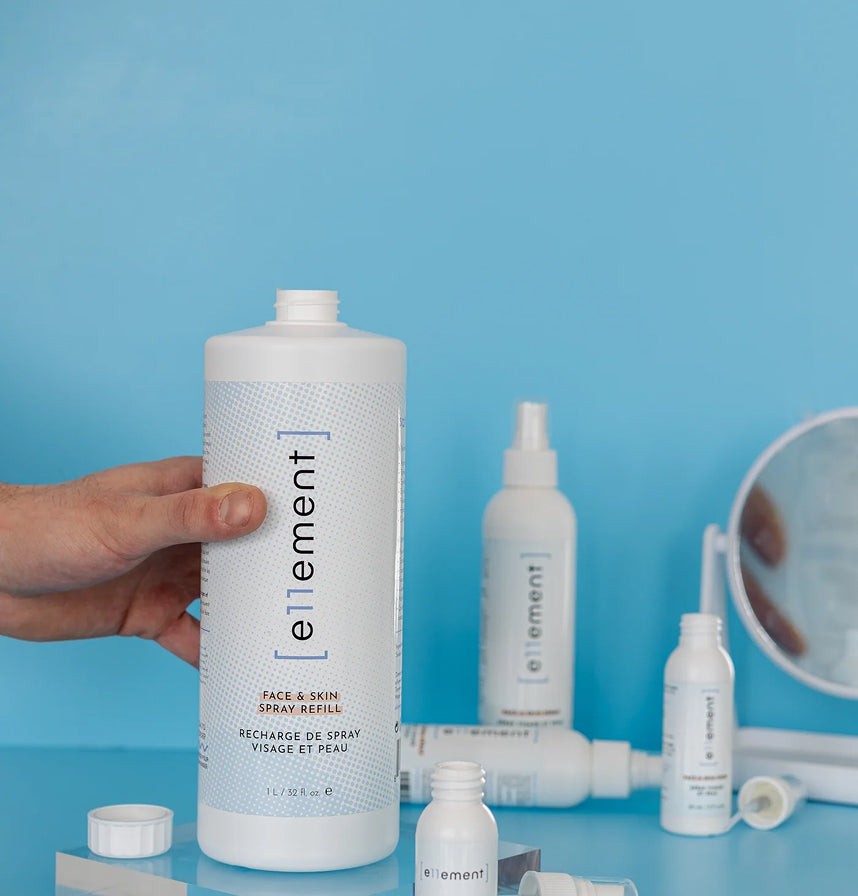
Dark spots can develop for several reasons, including acne, irritation, sun exposure, and inflammation. While many skincare ingredients are designed to target pigmentation directly, others may play a supporting role by helping maintain a calm and healthy skin environment. Hypochlorous acid, often shortened to HOCl, is one ingredient that has gained attention for its use in gentle skincare products.
So, can hypochlorous acid help with dark spots? Hypochlorous acid is not primarily a pigmentation treatment. However, its skin-soothing and cleansing properties may help support skin affected by irritation or breakouts, which can sometimes lead to post-inflammatory dark marks.
Understanding what hypochlorous acid can and cannot do is important before adding it to a skincare routine.
What Is Hypochlorous Acid?
Hypochlorous acid is a naturally occurring substance produced by certain immune cells in the human body as part of the body's response to microorganisms.
In skincare, HOCl is typically formulated as a water-based solution or spray. It is commonly used to cleanse and soothe the skin and is often included in products intended for sensitive or irritation-prone skin.
Unlike exfoliating acids such as glycolic acid or salicylic acid, hypochlorous acid does not work by removing layers of dead skin cells. Its purpose in skincare is different, which is important when considering its potential role in managing dark spots.
Can Hypochlorous Acid Help with Dark Spots Directly?
Hypochlorous acid is not considered a direct treatment for hyperpigmentation. It does not work in the same way as ingredients specifically used to address excess melanin or improve uneven pigmentation.
However, HOCl may have an indirect role in a skincare routine.
Dark marks can sometimes appear after the skin experiences inflammation. Acne, scratching, irritation, and certain skin reactions can leave areas of discoloration after the original problem has improved. This is commonly referred to as post-inflammatory hyperpigmentation.

Supporting Skin Affected by Inflammation
When skin is repeatedly irritated, the likelihood of lingering discoloration may increase, particularly in people who are prone to post-inflammatory hyperpigmentation.
Hypochlorous acid may help soothe irritated skin and support a cleaner skin surface. By helping manage the conditions associated with irritation, it may indirectly support efforts to reduce the development of new post-inflammatory marks.
However, existing dark spots generally require ingredients or treatments specifically intended to address pigmentation.
How Does Hypochlorous Acid Fit Into a Skincare Routine?
HOCl products are often available as facial sprays, cleansers, or topical solutions. A spray format can usually be incorporated into a routine without adding several complicated steps.
Always follow the directions provided with the specific product because concentrations and recommended usage can vary.
Apply It to Clean Skin
Depending on the product instructions, hypochlorous acid can generally be applied after cleansing.
If using an HOCl facial spray, apply an even layer to the skin and allow it to dry before continuing with other skincare products. Avoid wiping it away immediately unless the product instructions recommend doing so.
Once dry, you can continue with moisturiser and other appropriate skincare products.
Pair It With a Simple Routine
A simple skincare routine can be particularly useful when dealing with irritation and pigmentation.
Frequent use of strong exfoliating products may irritate some skin types. If irritation contributes to post-inflammatory pigmentation, repeatedly stressing the skin may make managing dark marks more difficult.
A gentle cleanser, suitable moisturiser, sunscreen, and carefully selected treatment products can provide a more structured approach.
What Ingredients Are Commonly Used for Dark Spots?
If your main goal is to address existing pigmentation, hypochlorous acid should not necessarily replace ingredients developed specifically for that purpose.
Ingredients commonly found in products for uneven skin tone include vitamin C, niacinamide, azelaic acid, retinoids, and certain exfoliating acids.
The appropriate option depends on your skin type, the cause of the pigmentation, and how sensitive your skin is.
Introduce New Ingredients Carefully
Adding several active ingredients at once can make it difficult to identify what is helping or irritating your skin.
Introduce products gradually and observe how your skin responds. If you already use prescription skincare or have a diagnosed skin condition, speak with a dermatologist before significantly changing your routine.
Why Is Sunscreen Important for Dark Spots?
Sun protection is an important part of managing pigmentation.
Ultraviolet exposure can make existing pigmentation appear darker and may make uneven skin tone more noticeable. Using broad-spectrum sunscreen regularly can help protect the skin while other products are being used to address dark spots.
Sunscreen should not be treated as an optional step simply because pigmentation products are being used.
Avoid Picking at Spots
Picking, squeezing, or scratching acne and irritated areas can increase inflammation and damage the skin.
Allowing blemishes to heal without unnecessary physical irritation may help reduce the likelihood of lingering marks. Keeping the skin clean and maintaining a gentle routine can support this approach.
When Should You Speak With a Dermatologist?
Not every dark spot is caused by acne or inflammation.
Changes in skin colour can have several causes, and some marks may require professional assessment. Consider speaking with a dermatologist if a spot changes in size, colour, shape, or texture, or if pigmentation appears suddenly without a clear reason.
A dermatologist can also recommend appropriate treatments for persistent post-acne marks, melasma, sun-related pigmentation, or other forms of discoloration.
Final Thoughts
So, can hypochlorous acid help with dark spots? HOCl is better understood as a supportive skincare ingredient rather than a direct treatment for pigmentation. Its soothing and cleansing properties may help maintain skin that is prone to irritation or breakouts, potentially reducing some of the conditions that contribute to post-inflammatory marks.
For existing dark spots, targeted skincare ingredients, consistent sun protection, and appropriate professional guidance may be more relevant. Hypochlorous acid can be included as part of a gentle routine, particularly when maintaining a calm skin environment is a priority.